
 91 -11 - 2336 3390
  director@caritasindia.org
 Pravasi bandhu review sparks a renewed push for migrant protection
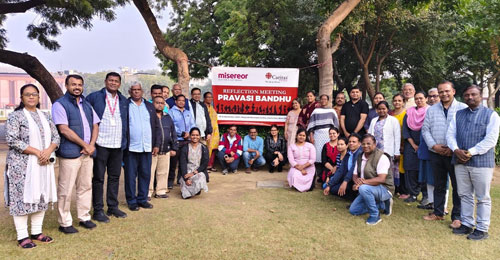
On 13–14 November 2025, Caritas India brought all nine Pravasi Bandhu partners together at the Navjivan Renewal Centre for a two day review that felt less like a meeting and more like a turning point. Thirty frontline workers from source and destination states sat around one table, determined to sharpen a program that continues to shape the lives of India’s invisible workforce. Supported by Misereor, Pravasi Bandhu is proving that when migrants are protected, informed, and connected, entire systems begin to shift.
Pravasi Bandhu was launched to bridge the long standing disconnect between the villages migrants leave and the cities where they work. It operates across eight states, linking source districts in Jharkhand, Chhattisgarh, Rajasthan, and Bihar with major destination hubs like Delhi, Goa, Haryana, Gujarat, and Himachal. The program creates safety nets at both ends of the migration cycle through Migrant Resource Centres, skill development, safe migration training, worker registration, women’s collectives, and coordinated action with labour departments. It provides migrants with accurate information before they leave, legal and welfare support when they arrive, and pathways to secure livelihoods so they are no longer forced into unsafe recruitment, exploitation, or life threatening work conditions. Pravasi Bandhu embodies Caritas India’s commitment to dignified mobility, social protection, and rights based support for migrant workers.
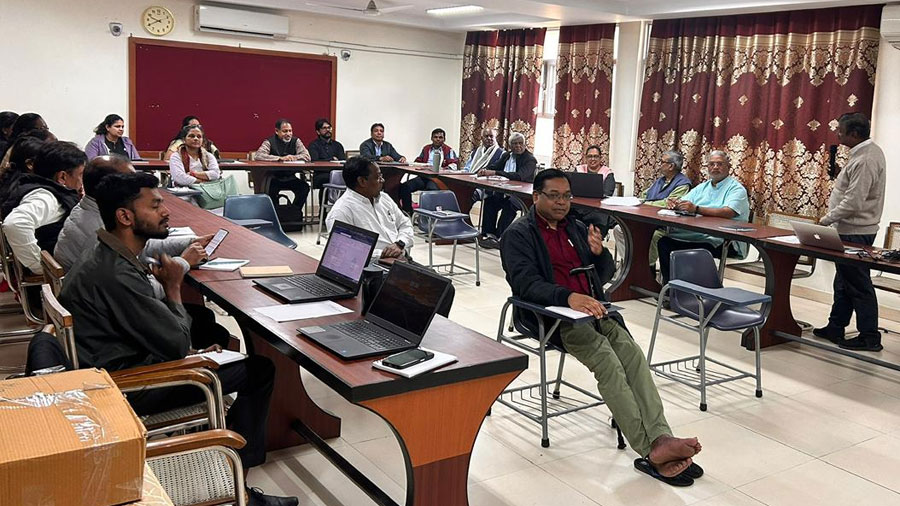
The partners came from vastly different landscapes. Tribal belts in Simdega, Jashpur, and Udaipur where livelihoods are collapsing. Destination cities like Delhi, Gurgaon, Goa, Gandhinagar, and Himachal where thousands of workers struggle each day without identity cards, safety nets, or access to welfare. But the stories they carried shared a common truth. Migration is now a compulsion for millions, and without structured support, the cycle of exploitation continues without pause.
The review surfaced what the last two years have achieved. Youth at source have started receiving market relevant skills that match industrial needs. In Baddi, trained youths secured steady employment in mechanical and technical trades, a visible example of how safe, informed migration becomes possible when skill-building is aligned with opportunity. Destinations saw powerful gains too. Migrant Resource Centres became lifelines for workers navigating labour departments, accessing Building and Other Construction Workers registration, opening bank accounts, securing identity documents, and receiving health and safety support. When migrant families lost members, partners stood beside them offering legal help, compensation support, and emotional guidance.
This momentum echoed the original vision laid out in the Pravasi Bandhu project proposal. India’s informal workforce nearly 92 percent of labourers operates with minimal protection. Women migrants face triple discrimination, working in some of the harshest conditions without safety nets. At source, unsafe agents, debt, and collapsed agriculture push people to leave. At destination, lack of documents blocks access to every welfare scheme. Pravasi Bandhu intervenes exactly at these fractures. It connects villages to cities through safe channels, registers workers, strengthens Panchayati Raj Institutions, activates MRCs, builds worker associations, trains women in non traditional skills, and brings contractors into accountability networks.
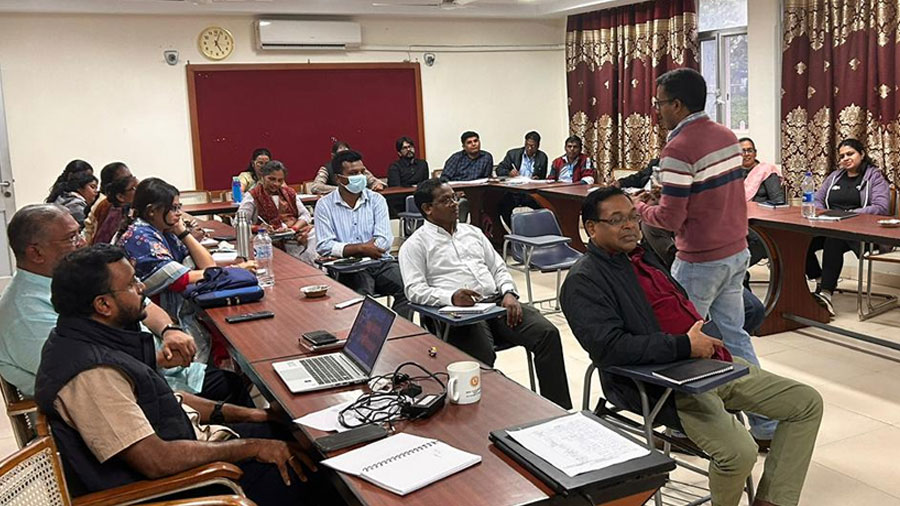
During the meeting, Fr. Jesudass R, the Executive Director of Caritas India reminded participants that “we are all migrants in some way,” urging teams to build systems that outlive projects. Disability inclusion became a major priority, recognising that many migrants live with unaddressed disabilities that compound their vulnerability. The MEAL team introduced a stronger results oriented framework, prompting partners to move from documenting activities to demonstrating impact, how many workers became safer, how many families accessed entitlements, how many women crossed into skilled trades, how many migrants escaped exploitation through timely intervention.
Fr Benny Edayath, Assistant Executive Director of Caritas India, delivered one of the most grounding messages of the two days. He reminded the partners, “we are all migrants in some way, and it is our shared responsibility to create amicable mechanisms for moving and displaced communities.” His words reinforced the deeper purpose of Pravasi Bandhu. Not just providing services, but building a culture of belonging, dignity, and shared humanity for workers who keep India’s economies functioning yet remain invisible in policy and public consciousness.
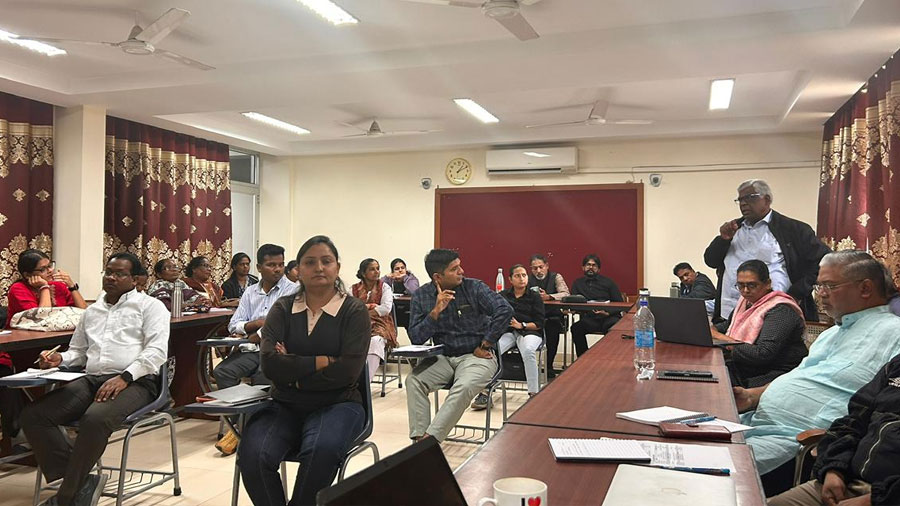
Field assessments shared by Program Associates showed gaps that need urgent attention. Registration at source remains weak. Collaboration with labour departments must deepen. Linkages with micro contractors need consistent follow-up. Yet the clarity gained through these discussions pushed partners to chart SMART action plans for the next six months with stronger reporting, monitoring, and shared accountability.
The final session produced detailed strategies anchored in the program’s core vision. Safe migration. Dignified livelihoods. Social security. Women’s empowerment. Inclusion for persons with disabilities. Sustainable systems that workers can rely on long after donor cycles end.
As the two day review ended, one message stood firm. Pravasi Bandhu is no longer just a migrant support project. It is a growing ecosystem by connecting states, strengthening systems, building voice and visibility, and restoring dignity to workers who fuel India’s growth yet remain unseen in its narratives.
With Misereor’s support and Caritas India’s commitment, the next phase moves with renewed resolve. To protect, to empower, and to ensure that every migrant can move without fear, work without exploitation, and live with the dignity they deserve.
Upcoming News
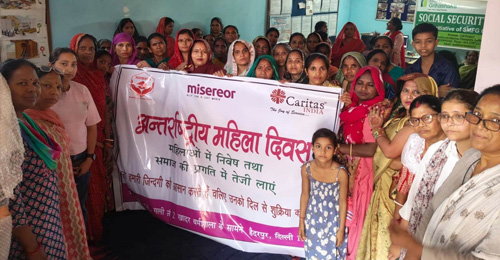
Migrant Women Workers Lead the Charge for Equality
For the 70 women gathered under the banner of the Pravasi Bandhu Program this week,...
LEARN MORE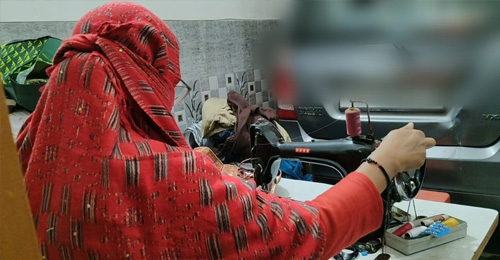
How One Mother Stitched Her Life Back Together
In a small, busy lane in Gokulpuri, there’s a sound that means everything to a...
LEARN MORE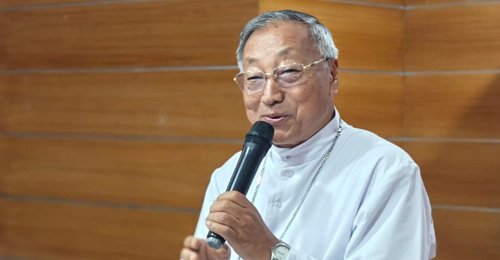
Archbishop Dr. Linus Neli Takes the Helm at Caritas India
A new chapter of compassion has begun. Archbishop Dr. Linus Neli officially took charge as...
LEARN MORE 91 -11 - 2336 3390
  director@caritasindia.org


