
 91 -11 - 2336 3390
 director@caritasindia.org
Prioritizing Workplace Safety through Mandatory POSH Training at Caritas India
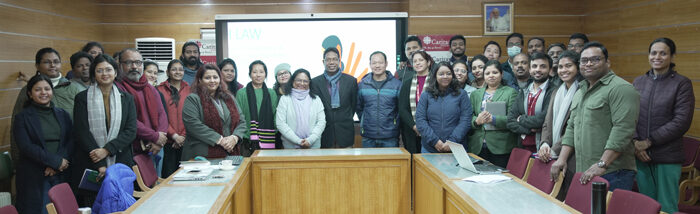
In a deeper commitment to ensuring a workplace free from harassment, Caritas India has taken a significant leap by conducting mandatory Prevention of Sexual Harassment (POSH) training for its entire staff on January 30 and February 2, 2024.
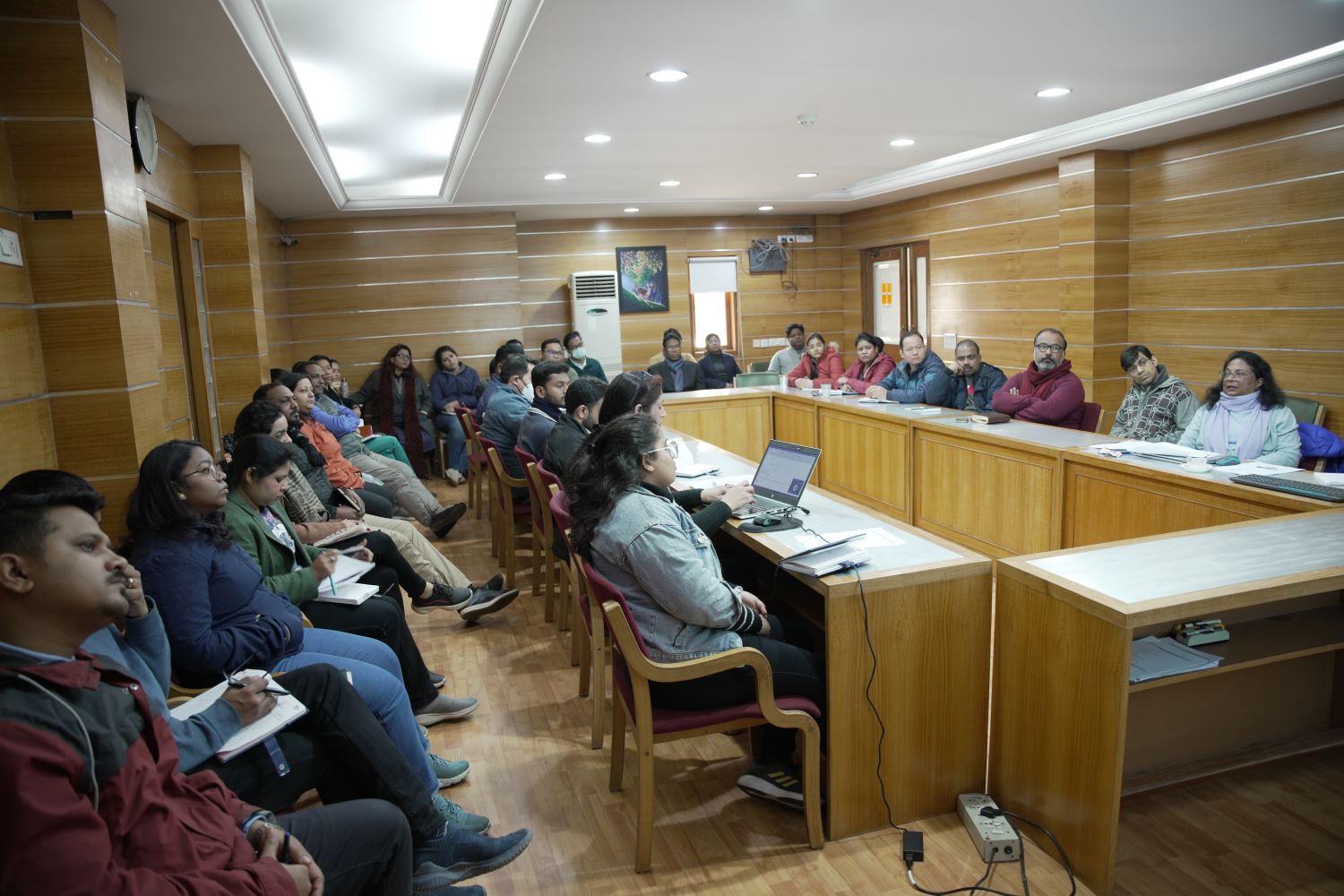
The sessions, held under the expert guidance of Mrs. Rita Panicker, not only navigated the legal intricacies of the Prevention of Sexual Harassment at Workplace (Prevention, Prohibition, and Redressal) Act 2013 but also delved into practical scenarios, fostering a culture of respect and inclusivity. Caritas India’s unwavering dedication to workplace safety shines through as it empowers its workforce with the tools to prevent, recognize, and address instances of sexual harassment, creating an environment where every individual’s dignity is safeguarded.
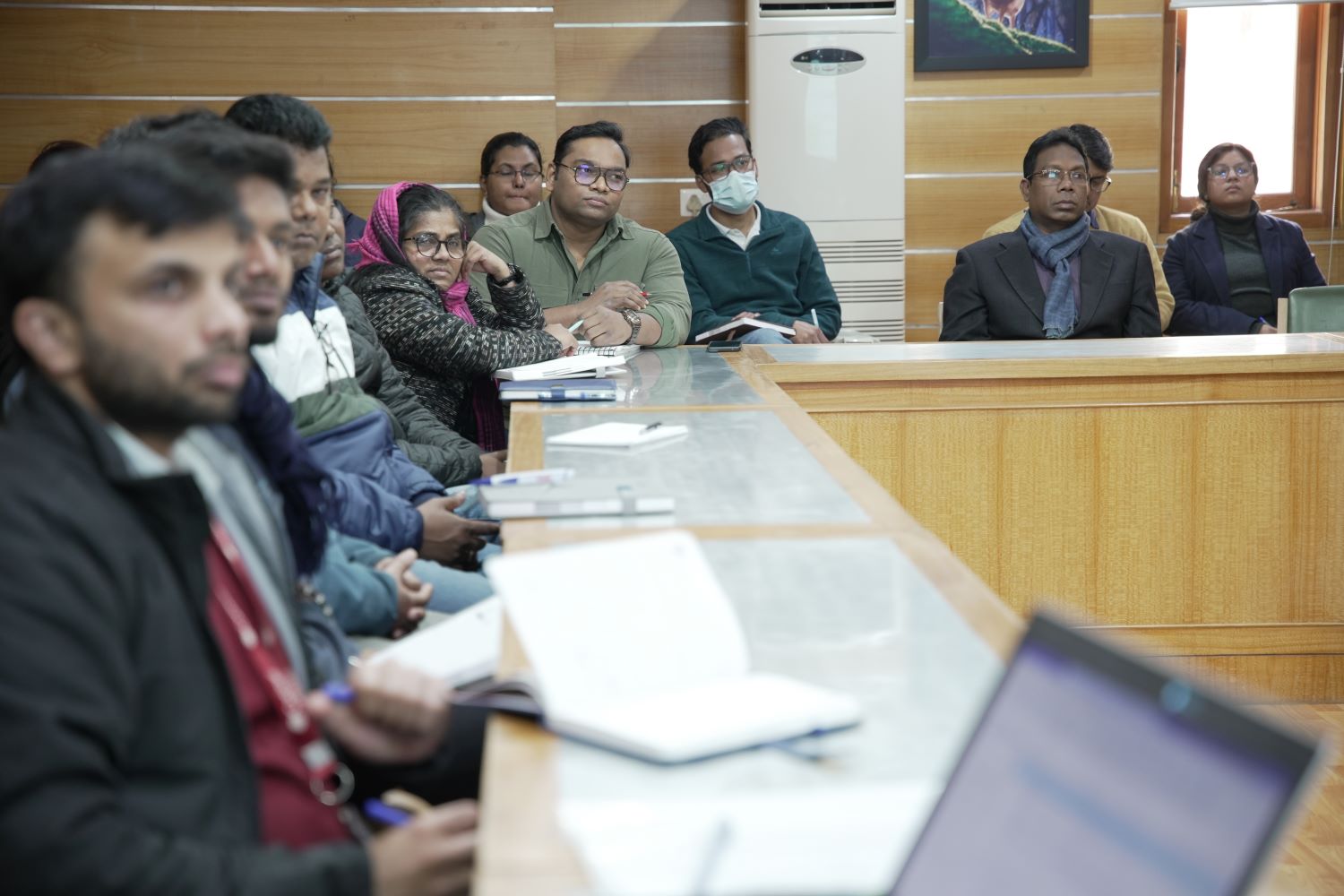
The training sessions were meticulously crafted to provide employees with a profound understanding of the nuances of the POSH Act, aligning the workforce with the legal framework and fortifying the organization’s commitment to preventing, prohibiting, and redressing instances of sexual harassment.
Mrs. Rita Panicker’s expertise played a pivotal role in guiding employees through recognizing and preventing instances of sexual harassment in the workplace. The training aimed to sensitize the staff, emphasizing the significance of creating a culture that champions respect, inclusivity, and zero tolerance for harassment.
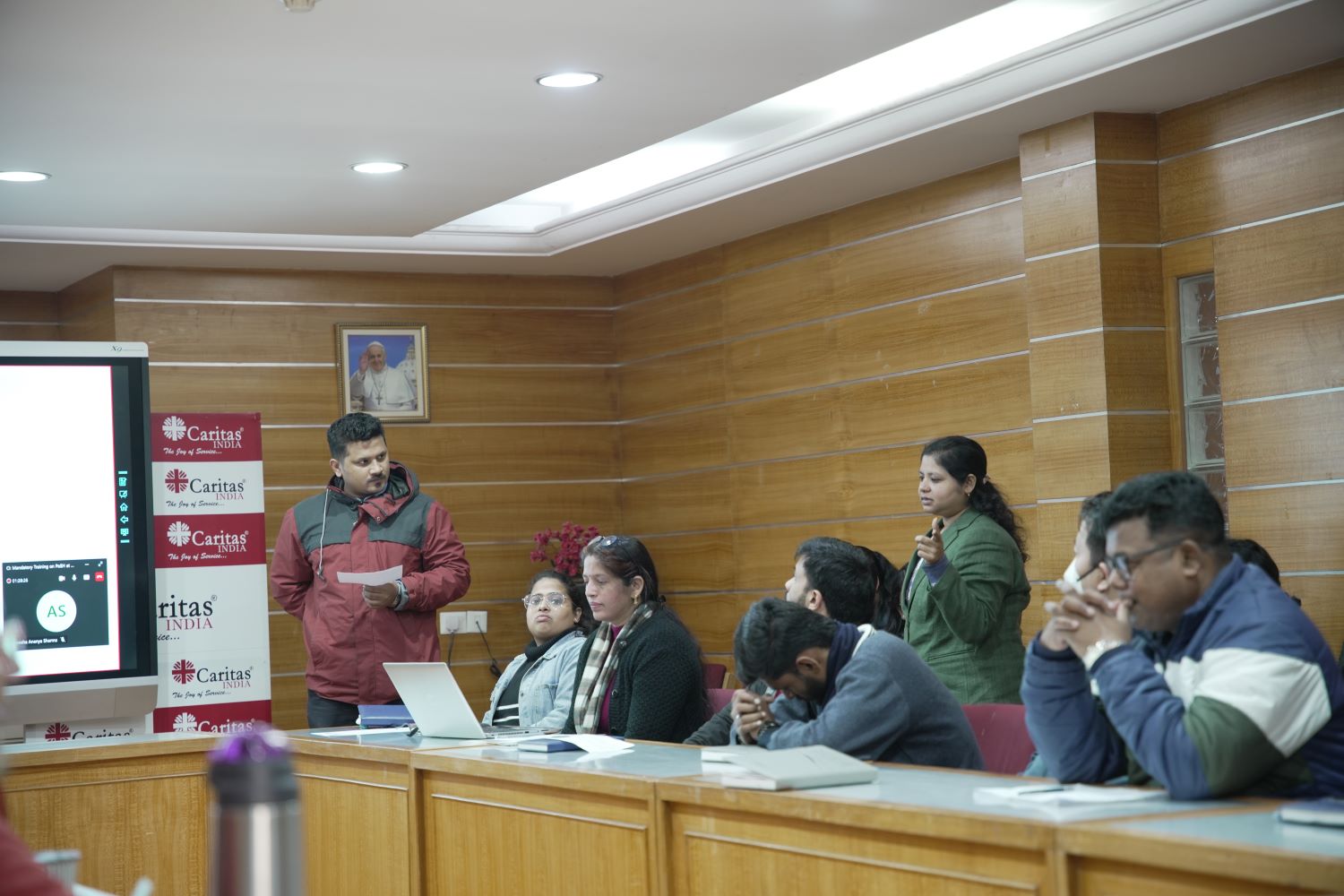
The sessions further addressed the crucial aspect of reporting mechanisms and procedures. Employees were equipped with the knowledge to navigate the reporting process effectively, ensuring a swift and just response to any instances of harassment. This component of the training underscores Caritas India’s commitment to establishing transparent and accessible channels for addressing grievances.
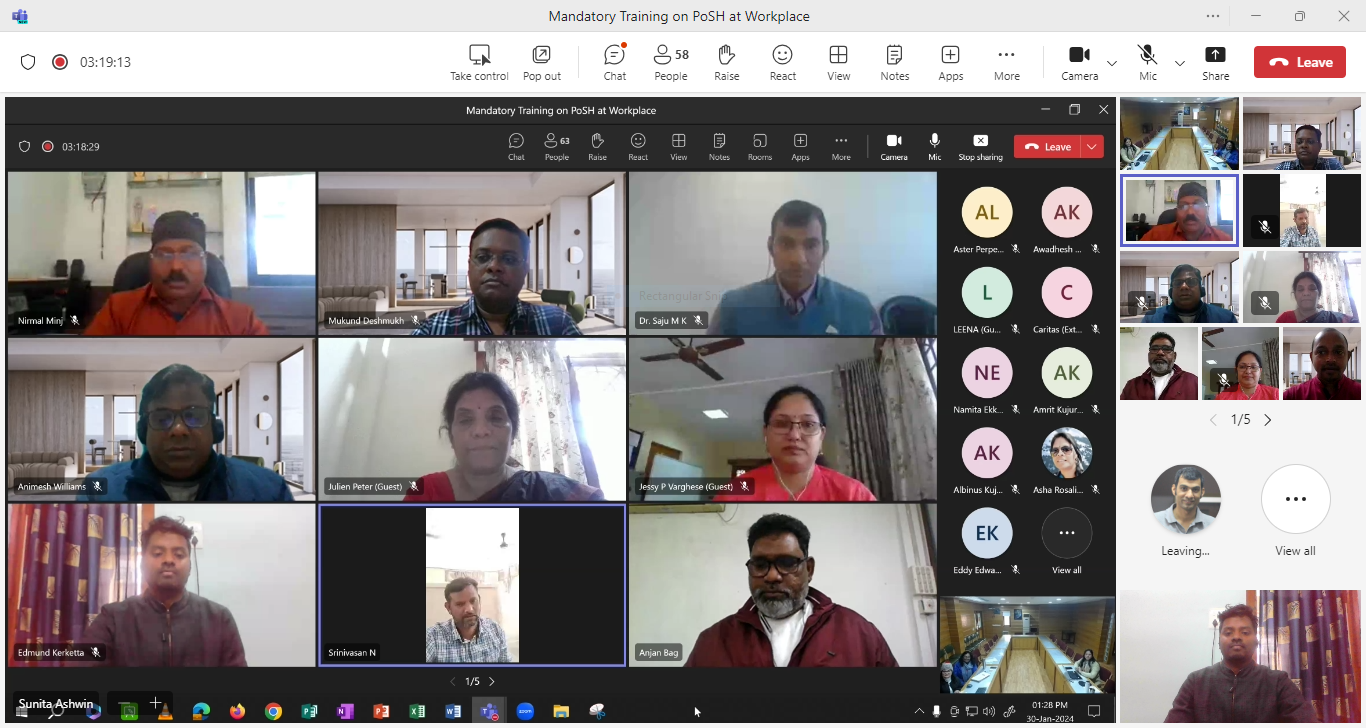
Caritas India, through these training sessions, actively promotes a culture of respect and inclusivity. By engaging staff members in meaningful discussions and practical scenarios, the organization is reinforcing the importance of collective responsibility in maintaining a safe and conducive workplace for all.
Mrs. Rita Panicker’s wealth of knowledge and experience in the field was exemplified through the use of real-life examples and situations. This approach facilitated a deeper and more relatable understanding of the complex aspects of the POSH Act. By grounding the training in practical scenarios, employees were better equipped to internalize the principles and implement them in their day-to-day roles.
Caritas India expresses gratitude for Mrs. Panicker’s invaluable contribution and encourages all staff members who participated in the training to actively implement the acquired knowledge in their respective roles. The organization emphasizes the collective responsibility of every employee to uphold a safe and respectful workplace environment for everyone associated with Caritas India.
Caritas India’s commitment to mandatory POSH training reflects a humanistic approach to workplace safety. By integrating legal understanding, practical scenarios, and expert guidance, the organization is taking proactive steps to fortify a culture that safeguards the dignity and well-being of every individual within the Caritas India community.
Upcoming News
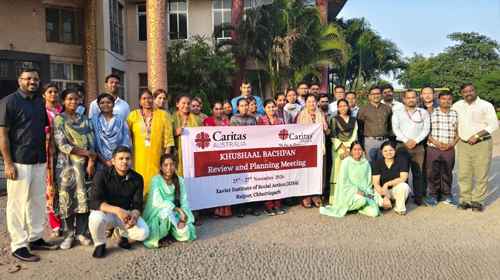
Khushaal Bachpan Sets Sights on Becoming a “Model Programme”
The Khushaal Bachpan (KB) programme will aim to become a model for child-centred development in...
LEARN MORE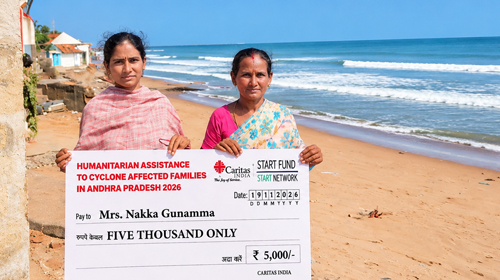
Caritas India extends humanitarian assistance to cyclone affected families in Andhra Pradesh
Caritas India, in collaboration with Diocesan Social Services, has initiated humanitarian assistance for cyclone affected...
LEARN MORE
Madhya Pradesh dioceses learn from Kerala’s Biowin model to build farmer-owned agro-enterprises
Social service societies from across Madhya Pradesh were oriented on building sustainable, farmer-centred agro-enterprises at...
LEARN MORE 91 -11 - 23362735
 director@caritasindia.org


