
 91 -11 - 2336 3390
  director@caritasindia.org
 Sowing Seeds of Resilience and Prosperity Through Sustainable Farming in Adilabad
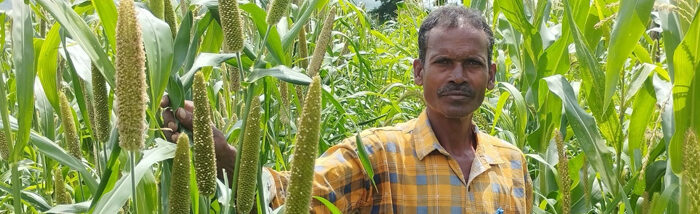
The U3 prgram spanning the entire state of Telangana, has cast a lifeline to tribal communities like Pradhan, Kolam, Lambadis, Nayakpod, and Thoti, with a particular focus on the Gond community. Recognized as a “primitive tribal community,” the Gonds traditionally relied on hunting, forest produce, and agriculture for sustenance. Enter Mr. Jangu Athram, a 43-year-old Gond farmer from the village of Manikyapur in the Komaram Bheem Asifabad District, a region dominated by lush forests.
Jangu, with 2.5 acres of Patta land, navigated the challenges of conventional farming, cultivating green gram, maize, and millets. Despite his dedication, the investment in synthetic fertilizers and conventional farming methods proved unsustainable. His monthly family income of Rs 10,000 – 12,000 struggled to cover the escalating costs of farming.
The U3 program, a collaborative effort by Caritas India and Misereor, stands as a beacon of change. It emphasizes community-led action, aiming to rebuild the lives of marginalized farmers through sustainable livelihoods. Caritas India, along with local partners like the Diocese of Adilabad Human Promotion Society (DAHPS), is providing unwavering support to ensure a dignified life for tribal farmers.
In the U3 – III phase, farmers, including Jangu, underwent training on organic bio input preparations, environmental awareness, and the benefits of livestock litter in organic farming. Technical support from U3 and DAHPS facilitated the setup of bio fertilizer preparations, such as Jeevamruth, waste decomposers, and Effective Micro Organisms. The initiative has now expanded to benefit 25 farmers, providing them with essential equipment and technical guidance.
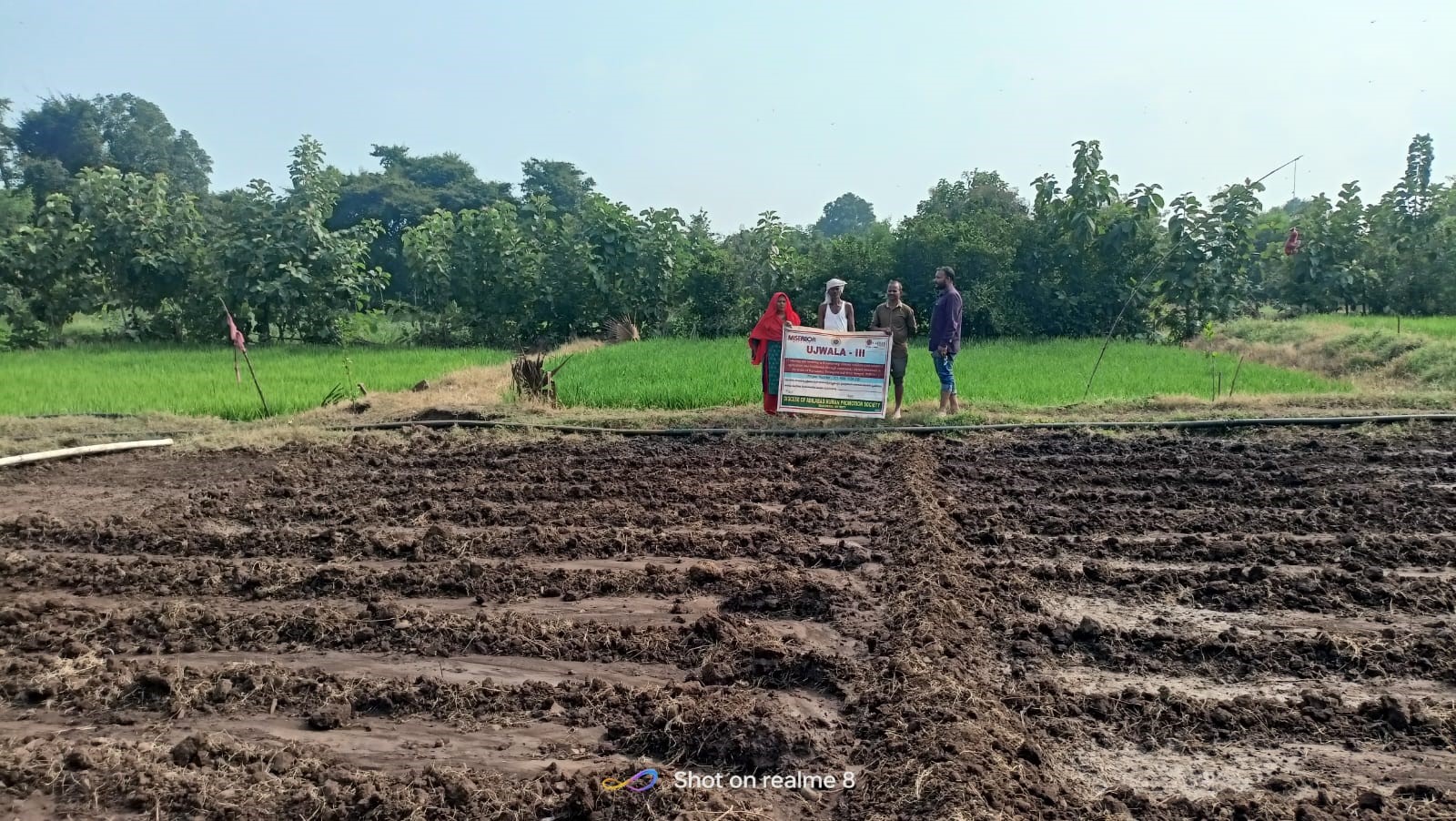
The tangible impact of U3’s interventions is evident in Jangu’s flourishing fields. His shift to organic paddy cultivation, aided by processes like Jeevamrutham, has resulted in a substantial increase in production. The harvest includes paddy, green gram, maize, and millets, pushing his income to Rs. 19,200, with a profit of Rs. 13,900.
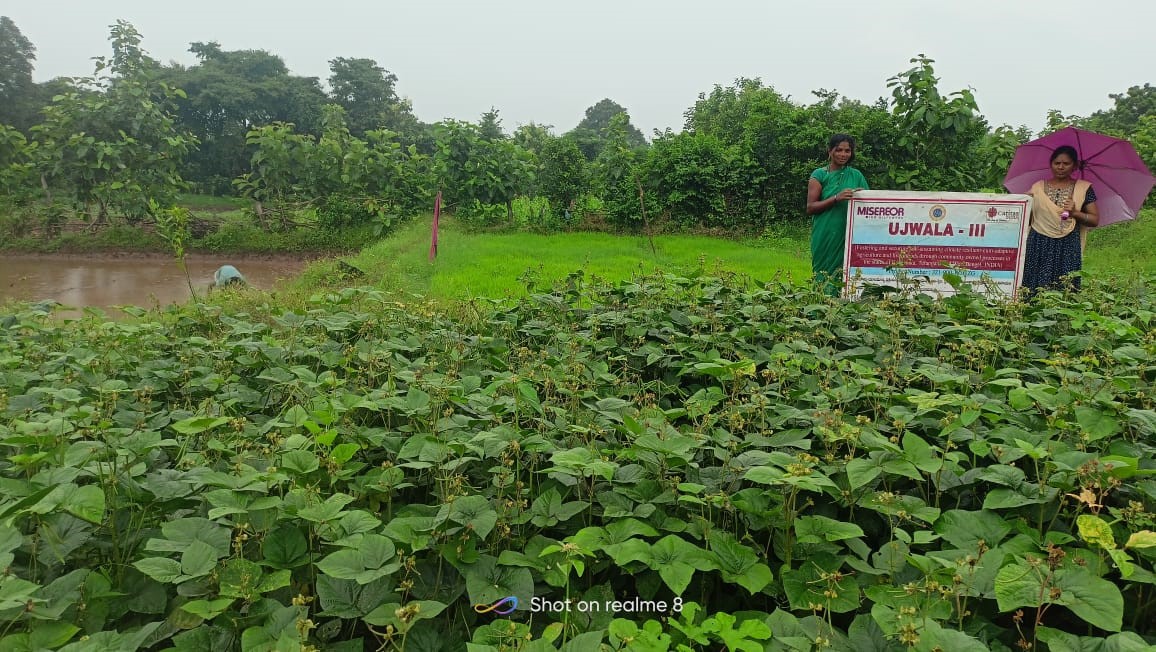
Jangu’s success extends beyond the fields. He utilized the profit to fund his children’s education, received a crop loan reimbursement of Rs. 66,000, and invested in an electric pump set for sustainable water management.
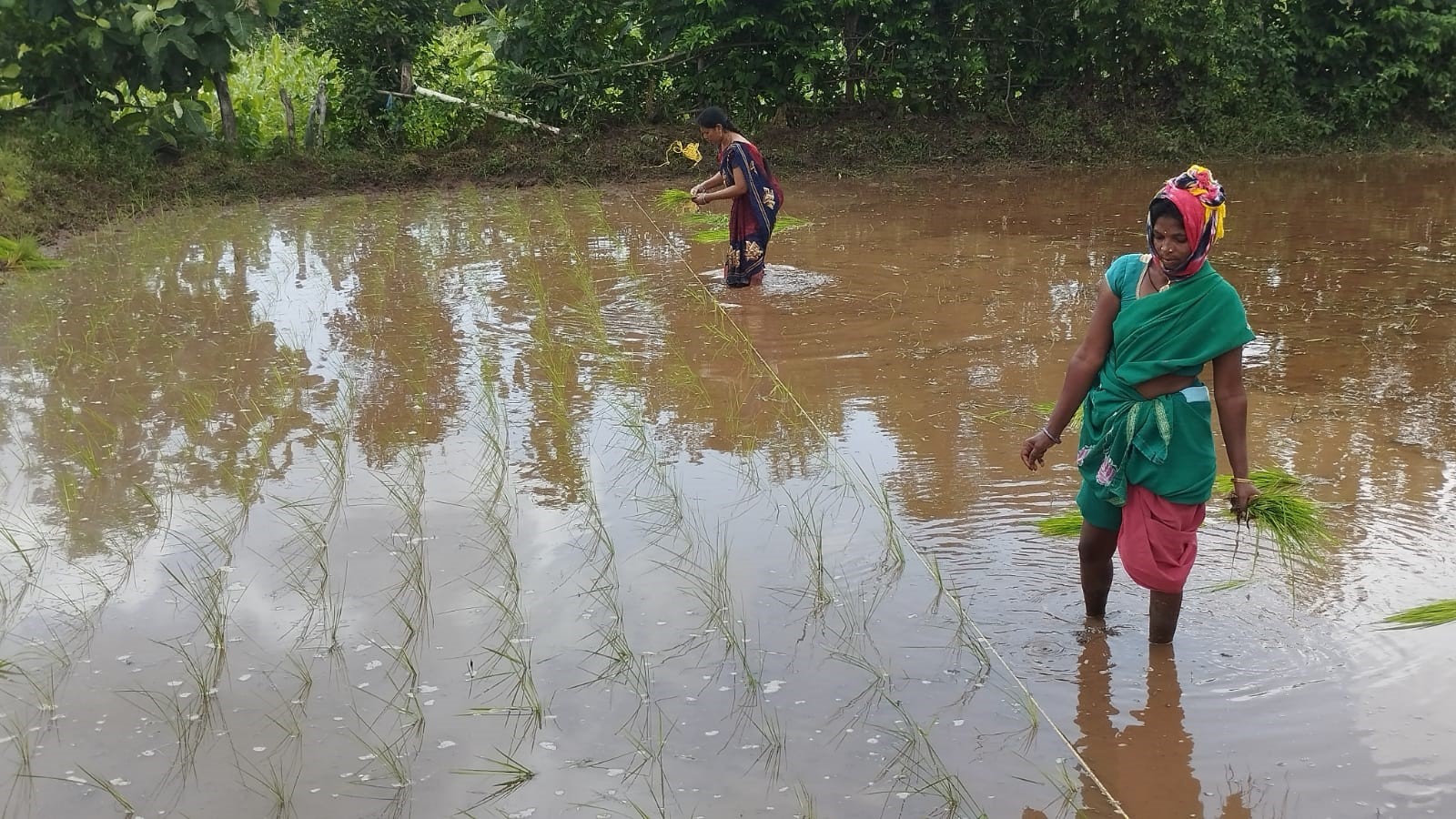
As U3 continues to make significant strides, it exemplifies the potential of organic farming to empower communities, reduce external inputs, and elevate the livelihoods of tribal farmers. Caritas India’s commitment, coupled with strategic partnerships, is not just fostering climate-resilient agriculture; it’s sowing the seeds of a sustainable and prosperous future in Adilabad and beyond.
Upcoming News
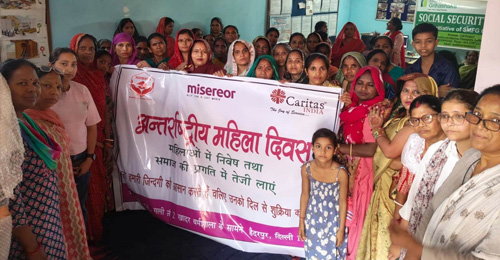
Migrant Women Workers Lead the Charge for Equality
For the 70 women gathered under the banner of the Pravasi Bandhu Program this week,...
LEARN MORE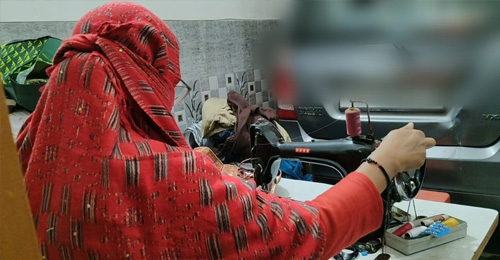
How One Mother Stitched Her Life Back Together
In a small, busy lane in Gokulpuri, there’s a sound that means everything to a...
LEARN MORE
Archbishop Dr. Linus Neli Takes the Helm at Caritas India
A new chapter of compassion has begun. Archbishop Dr. Linus Neli officially took charge as...
LEARN MORE 91 -11 - 2336 3390
  director@caritasindia.org


