
 91 -11 - 2336 3390
  director@caritasindia.org
 Strengthens Safeguarding Through Regional Cross-Learning Initiative
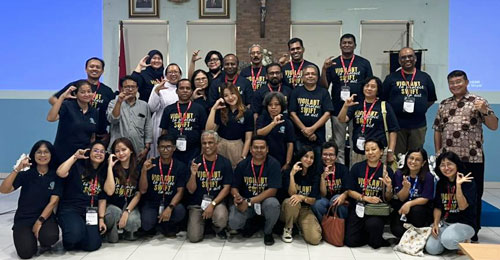
Caritas India participated in a three-day Safeguarding Cross-Learning Program held in Jakarta from November 25 to 29, 2025. The event was part of a pilot project supported by Caritas Asia and the donor Porticus to revitalize and expand safeguarding efforts across the region from 2024 to 2026.
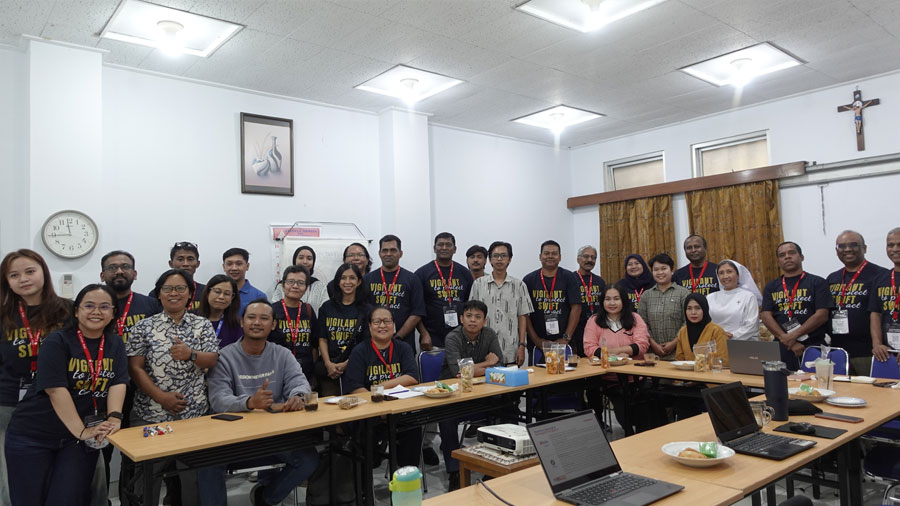
The program brought together Caritas India along with four of its regional forums—SIGN, NEDSSS, UKSVK, and KROSS—to assess progress made in implementing safeguarding measures and to share experiences and good practices. Safeguarding has become increasingly critical for ensuring program quality and safe working environments, but awareness and implementation levels vary widely among the 25 member organisations in Asia.
Challenges such as resource constraints, limited knowledge about safeguarding practices, low prioritization by leadership, and cultural sensitivities have contributed to gaps in safeguarding preparedness. The cross-learning program aimed to address these challenges through capacity building, collaboration, and exchanges at regional and country levels.
In his opening remarks, Fr. Jesudass, Executive Director of Caritas India highlighted that safeguarding is more than an obligation; it is a lived expression of faith. “When we safeguard others, especially the most vulnerable, we honour the divine image in every person,” he said, emphasizing safeguarding as part of Caritas’ Christian vocation. This framing aligns safeguarding firmly with Caritas India’s mission, which prioritizes creating safe, inclusive environments that protect human dignity.
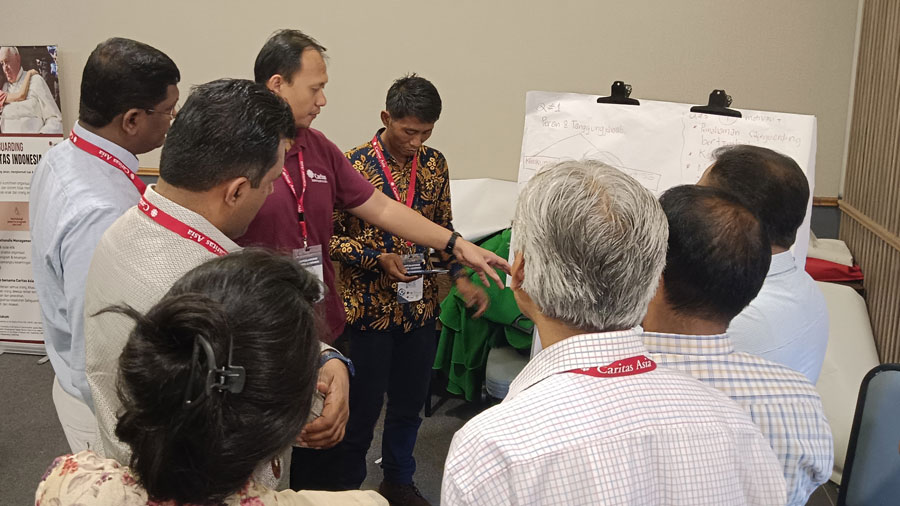
Caritas India has been actively involved in sensitization and capacity-building at national and diocesan levels, extending safeguarding awareness to staff, volunteers, and community members. Through ongoing orientation workshops, the organisation has worked to embed safeguarding as a shared responsibility that underpins all social ministry work.
The cross-learning event also showcased key lessons from Caritas Indonesia, where safeguarding has been progressively integrated at the parish level through resilience and humanisation programs. These dioceses have gained increasing autonomy in sustaining safeguarding efforts, guided by strategic models like Tuckman’s stages of group development i.e. forming, norming, and performing.
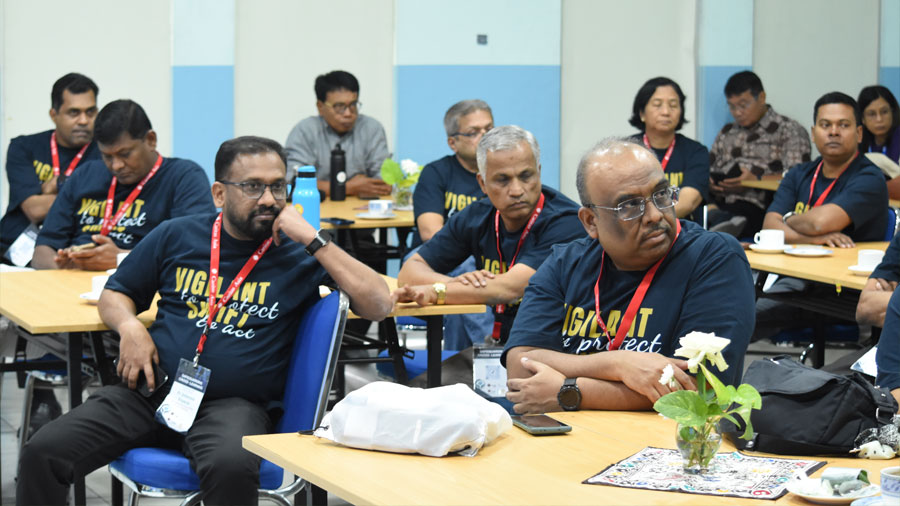
Participants discussed how Indonesia faced cultural barriers marked by a “culture of silence,” which initially limited reporting of safeguarding concerns. Persistent awareness building ultimately led to greater community engagement, with complaints now including issues such as family violence and child protection beyond sexual abuse. Indonesia’s strengthened safeguarding structures include whistleblower policies and plans to establish dedicated safeguarding committees.
The Jesuit Refugee Service (JRS) shared insights from its structured safeguarding framework, featuring a comprehensive Code of Conduct that covers professional and personal behaviour, conflict of interest, and complaint procedures. Notably, JRS engages in rigorous recruitment processes including psychological testing, and collaborates with refugee-led organisations to promote safe environments. One standout initiative is their Kung Fu self-defence classes designed to empower women refugees.
Another highlight was the role of Indonesia’s Commission on Gender and Women’s Empowerment, which plays a pivotal role in mainstreaming gender perspectives within safeguarding systems. Operating in a patriarchal society, the Commission seeks to reduce vulnerabilities and power imbalances by promoting women’s participation in decision-making at parish and diocesan levels, thereby fostering equality and protecting human rights.
Building on the shared insights, Caritas India and partners developed an action plan focused on four themes: capacity building, policy development and implementation, collaboration opportunities, and monitoring and evaluation. This strategic framework will guide ongoing efforts to strengthen safeguarding practices adapted to diverse cultural contexts.
Looking forward, Caritas India reaffirms that safeguarding is foundational to its social ministry. By fostering safe, respectful, and accountable environments, the organisation seeks to uphold the dignity of all individuals and embody its faith through compassionate action.
Upcoming News
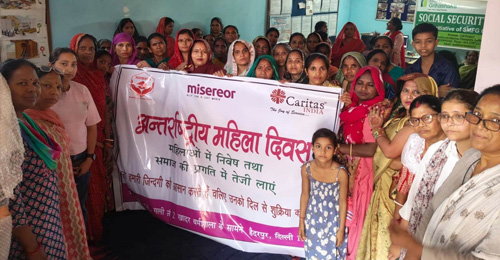
Migrant Women Workers Lead the Charge for Equality
For the 70 women gathered under the banner of the Pravasi Bandhu Program this week,...
LEARN MORE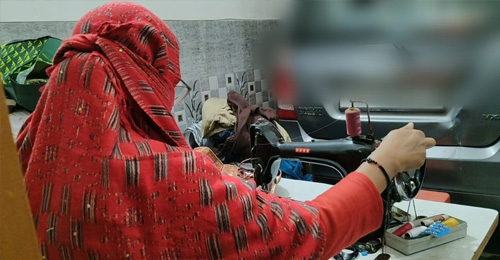
How One Mother Stitched Her Life Back Together
In a small, busy lane in Gokulpuri, there’s a sound that means everything to a...
LEARN MORE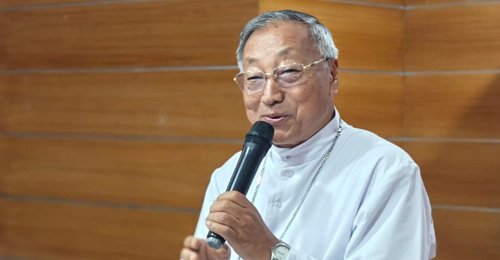
Archbishop Dr. Linus Neli Takes the Helm at Caritas India
A new chapter of compassion has begun. Archbishop Dr. Linus Neli officially took charge as...
LEARN MORE 91 -11 - 2336 3390
  director@caritasindia.org


