
 91 -11 - 2336 3390
  director@caritasindia.org
 The Flood Will Come Again. This Time, They Have a Plan
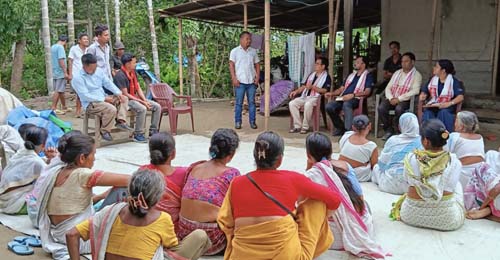
When the 2025 floods swept through Lakhimpur district, the Disaster Risk Reduction Committees of the SARAL project villages did not wait for help to arrive. They moved livestock to safety, secured household assets, and relayed early warning messages from the District Disaster Management Authority before the waters peaked. Eight months into a project designed to build exactly that kind of local preparedness, the communities had already put it to the test.
It was this ground-level reality that Fr. Benny Edayath, Assistant Executive Director of Caritas India, encountered during a field visit to the SARAL project areas in Dhemaji and Lakhimpur districts of Assam supported by Caritas Japan. Leading a team that engaged with communities in Bholukaguri, Gherajai, Kuhiyarbari, and 1 No. Pach Noi villages, Fr. Benny witnessed not a project in progress but a transformation already underway.
The SARAL project’s interventions span climate-resilient agriculture, off-farm livelihoods, disaster preparedness, and community feedback mechanisms, a wide mandate that could easily remain surface-level. The field visit revealed farmers diversifying their income streams, Panchayat representatives trained in governance and accountability, and Disaster Risk Reduction Committees (DRRCs) functioning as first responders rather than passive recipients of external aid.
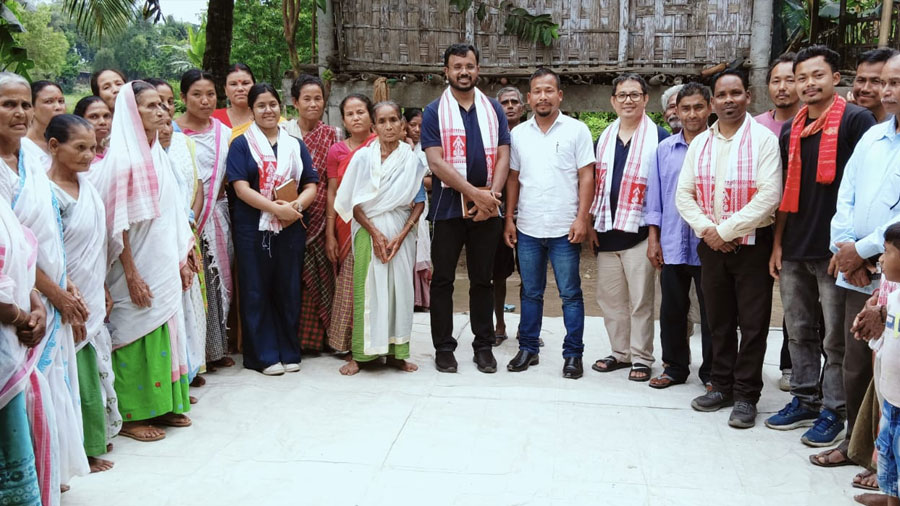
In Bholukaguri village, one intervention stood out even among community members themselves, i.e., the formation of a contingency fund by the local DRRC, a community-owned financial buffer to meet emergency needs without waiting for institutional response. It is the kind of innovation that no project document can mandate. It emerges when communities genuinely own what they are building.
On the second day of the visit, in Kuhiyarbari and 1 No. Pach Noi villages in Lakhimpur, a community member shared something that cut through the programme language. Her income had increased measurably, significantly because of the capacity-building support she received through SARAL. She said it with pride. It was the kind of testimony that reminds everyone in the room why the slow work of community development is worth doing.
Her story was not isolated. Farmers across the visited villages reported that the We4Resilience campaign had improved their awareness of and access to government schemes that existed before the project but remained out of reach due to procedural complexity. The project has not replaced government systems. It has helped communities navigate them.
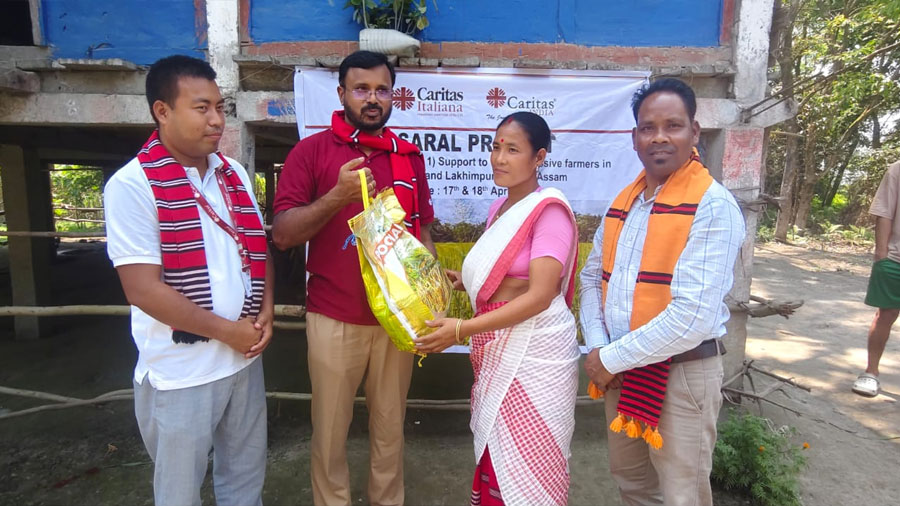
The visit hold importance as Fr. Benny inaugurated the distribution of Ranjib-Sub1 seeds, a flood-tolerant crop variety developed in partnership with the Krishi Vigyan Kendra in Lakhimpur and symbolically handed the first consignment to a farmer. Three hundred farmers will receive 20 kilograms each in the first week of May, a distribution timed to the pre-monsoon agricultural calendar.
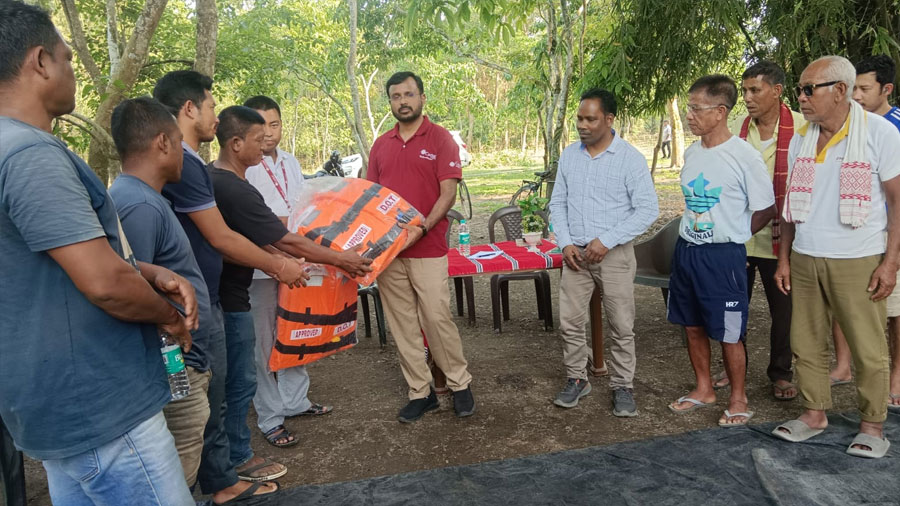
He also handed over six life jackets to the DRRC engaged in a flood-prone district like Lakhimpur, is not a gesture but a necessity. It was a quiet acknowledgement that resilience requires both human capacity and physical tools, and that Caritas India’s commitment to these communities extends beyond training rooms and into the monsoon season itself.
The visit was not without honest reckoning. Community discussions surfaced a persistent challenge: procedural and systemic barriers continue to prevent some members from fully accessing government schemes they are entitled to. Awareness has grown. Access has not kept pace. This gap between knowing what exists and being able to claim it, remains one of the sector’s most stubborn problems, and one the SARAL project will need to address with continued advocacy and handholding.
But the larger arc of what the visit revealed points firmly toward possibility. In eight months, communities in Dhemaji and Lakhimpur have built emergency funds, responded to floods without waiting for instruction, increased incomes, and begun growing crops designed to survive the very conditions that threaten them. That is not a project outcome. That is the beginning of a community that has decided to solve its own problems, with the right support.
The seeds are ready. The life jackets are stored. The contingency fund exists. The monsoon is coming. And for the first time in a long time, these communities are not waiting for it with fear, they are waiting for it with a plan.
Upcoming News
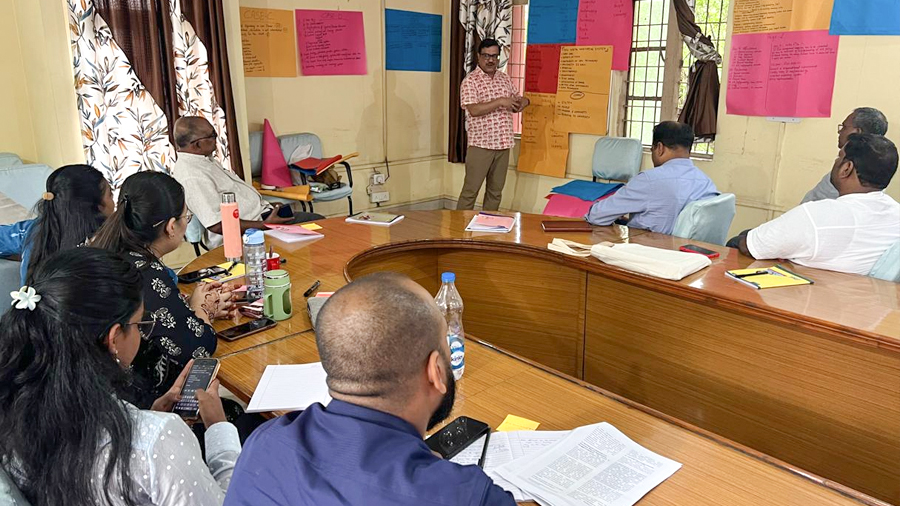
When NGOs Grow, What Breaks First? Caritas India Tackles the Answer in Raipur
Three-day workshop arms executive leaders with governance tools, a 20-policy framework and practical fixes for...
LEARN MORE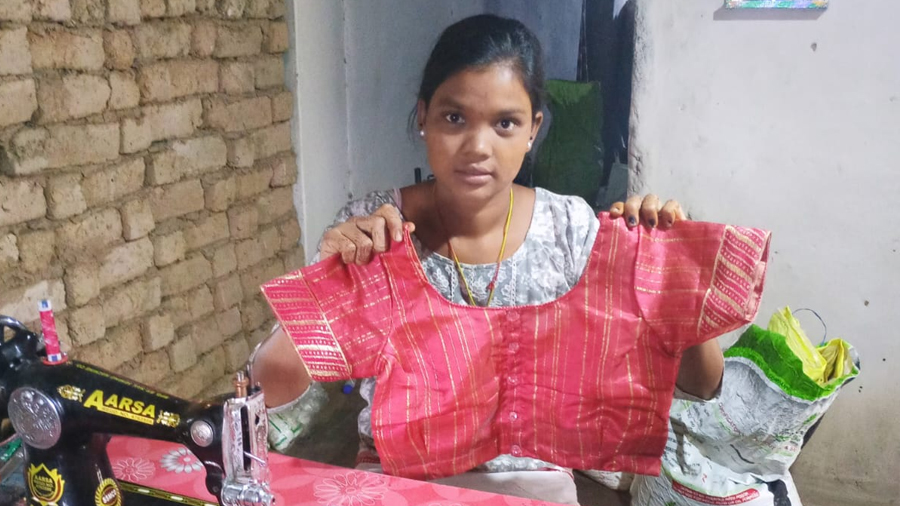
Nine Kilometres Through the Jungle: How Poornima Stitched Her Own Future
For 19 year old Poornima Rawat of Rajamma village in Lailunga block of Chhattisgarh's Raigarh...
LEARN MORE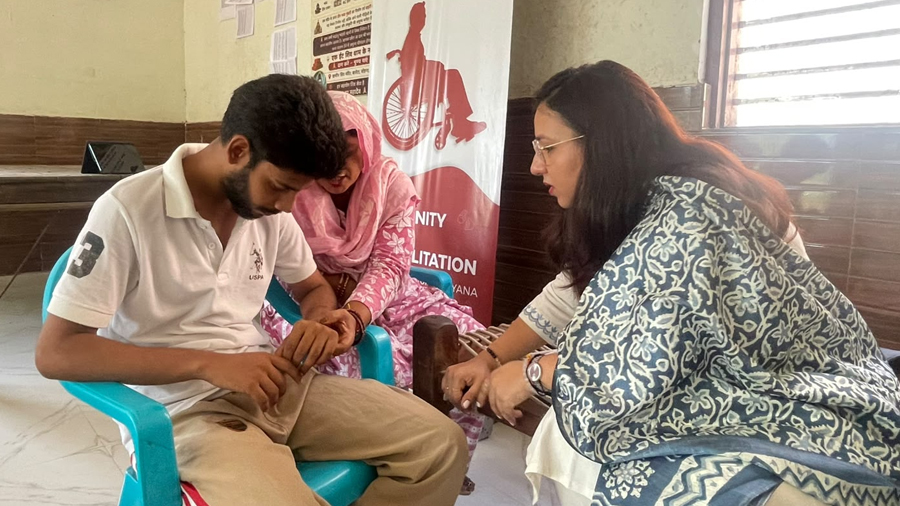
In a Nuh Village, People Living With Mental Illness Finally Got to Speak, and Be Heard
Nine people sat in that room in Barota village, Nuh district, Haryana, each carrying a...
LEARN MORE 91 -11 - 23362735
  director@caritasindia.org


