
 91 -11 - 2336 3390
  director@caritasindia.org
 The Loom That Wouldn’t Sink: Nilima’s Defiance Against the Brahmaputra
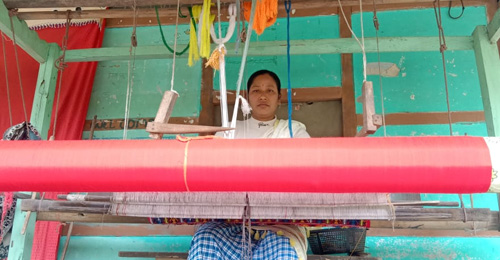
The Brahmaputra River is a beautiful, thundering presence in the Dhemaji district of Assam. But for 41-year-old Nilima Missong, for years, the river was a thief.
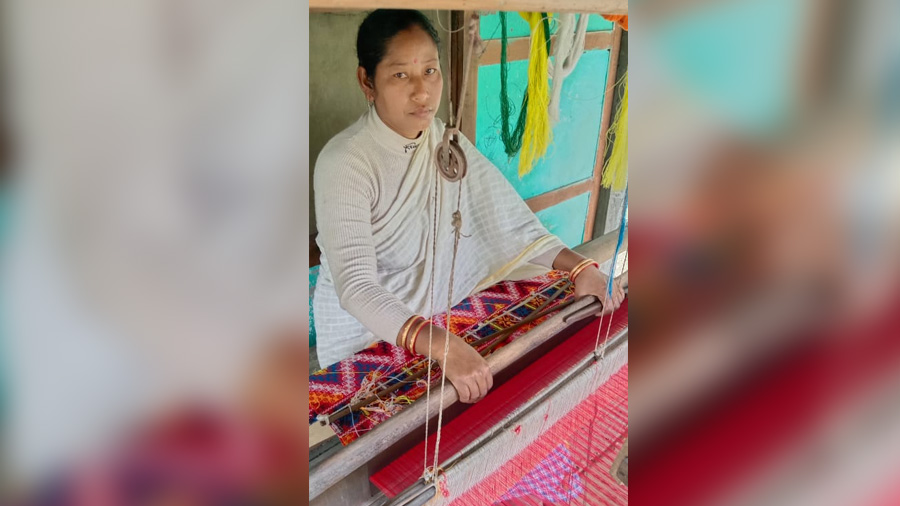
Every monsoon, the water would rise, uninvited, into her home in Sissisumoni village. It did not just submerge her floors; it swallowed her livelihood. Nilima, a weaver of the Mishing tribe, would watch helplessly as her bamboo loom (the source of her family’s income and her cultural pride) was ruined by silt and sludge. The vibrant threads of her mekhala chador would rot in the damp, leaving her with no choice but to turn to grueling daily wage labor just to put food on the table.
“There was a time when every flood would take away not just my loom and materials,” Nilima recalls, “but also my hope.”
Nilima’s story is not just about surviving the flood; it is about outsmarting it. A critical turning point came through the W4Resilience campaign, an initiative under the SARAL Project supported by Caritas Italiana and Caritas India. This campaign was designed specifically to empower women by building their capacity to withstand climate shocks and restore their dignity through sustainable livelihoods.
The transformation was not just in her tools, but in her mindset. Through the campaign’s focus on entrepreneurship and government convergence, Nilima stopped seeing herself as a victim of a natural disaster and started seeing herself as a micro entrepreneur.
The most striking symbol of Nilima’s resilience is her new movable wooden loom.
In the past, the traditional bamboo looms were fixed and vulnerable. Today, Nilima operates a durable, movable frame. When the clouds gather and the Brahmaputra begins to swell, Nilima no longer waits for disaster. She simply moves her loom to a safer, higher location. Combined with waterproof storage systems for her raw silks and finished garments, she has effectively “flood proofed” her future.
She also secured ₹35,000 through government schemes, funds that allowed her to stabilize her production and diversify her designs.
“The movable weaving shed I constructed has changed everything. I can now continue my work even during floods.”
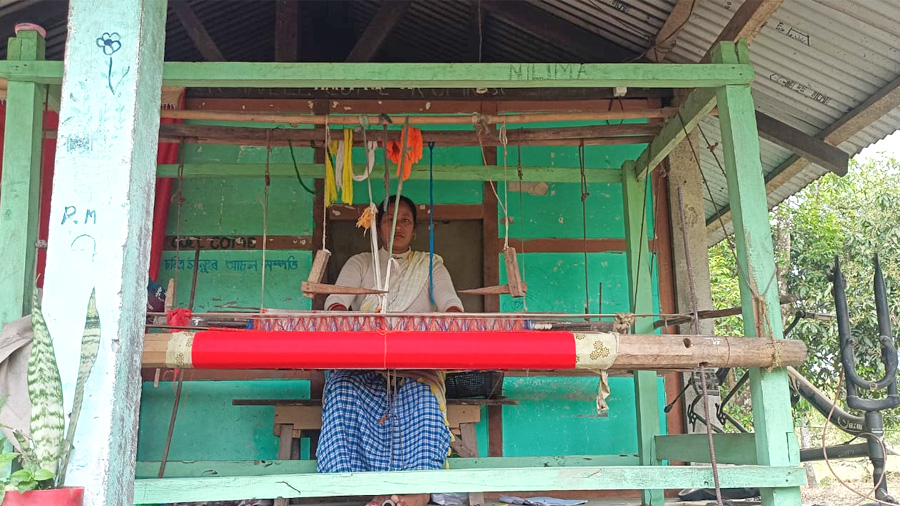
The numbers tell a story of staggering growth, but the real impact is written on Nilima’s face. Her annual income has surged from a fragile ₹72,000 to ₹2,45,000.
No longer dependent on the whims of the seasons or the uncertainty of daily labor, she is a pillar of her family and her community. She has transitioned from a weaver struggling for survival to a self-reliant entrepreneur who supports her family with dignity.
Nilima’s journey is a blueprint for thousands of women across Assam’s floodplains. It proves that when traditional craftsmanship meets climate resilient innovation and the targeted support of the W4Resilience campaign, the cycle of poverty can be broken.
As the next monsoon approaches, the river will undoubtedly rise again. But in Sissisumoni village, Nilima Missong will be ready. Her threads will stay dry, her loom will keep humming, and her hope (once easily washed away) is now anchored in her own resilience.
“My journey has changed from uncertainty to stability,” she says, her hands moving expertly across the threads. “I now feel prepared to face the future with confidence.”
Upcoming News
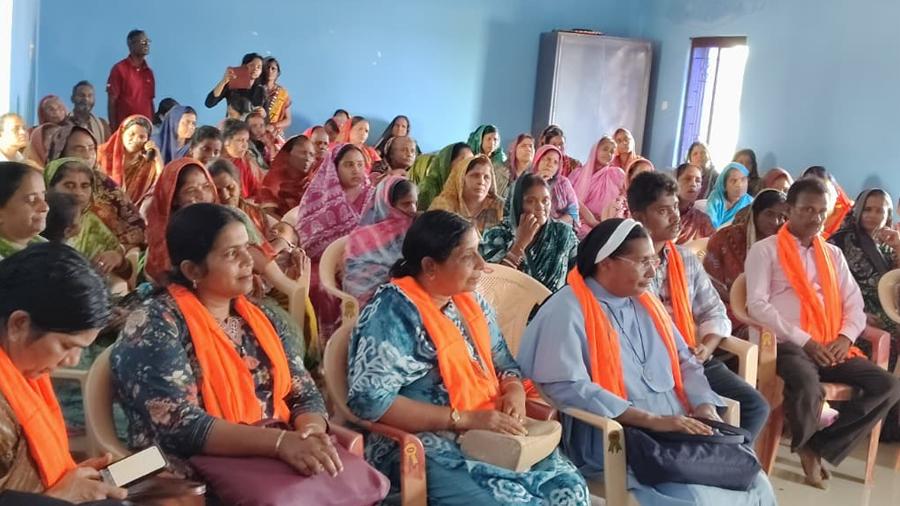
Kerala and Odisha Practitioners Come Together for Workshop on Humanitarian Aid and Disaster Risk Reduction
Disaster risk reduction practitioners from Kerala's Safe Within, Reconnect Wayanad and Vilangad Project travelled to...
LEARN MORE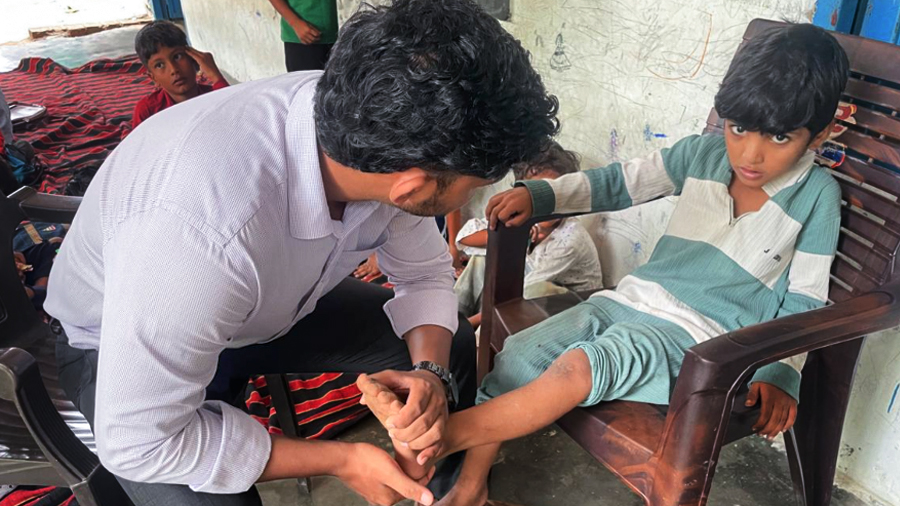
How Faiz Learned to Walk Again with Physiotherapy and Orthotic Support
There is a particular kind of heartbreak in watching your child want to play and...
LEARN MORE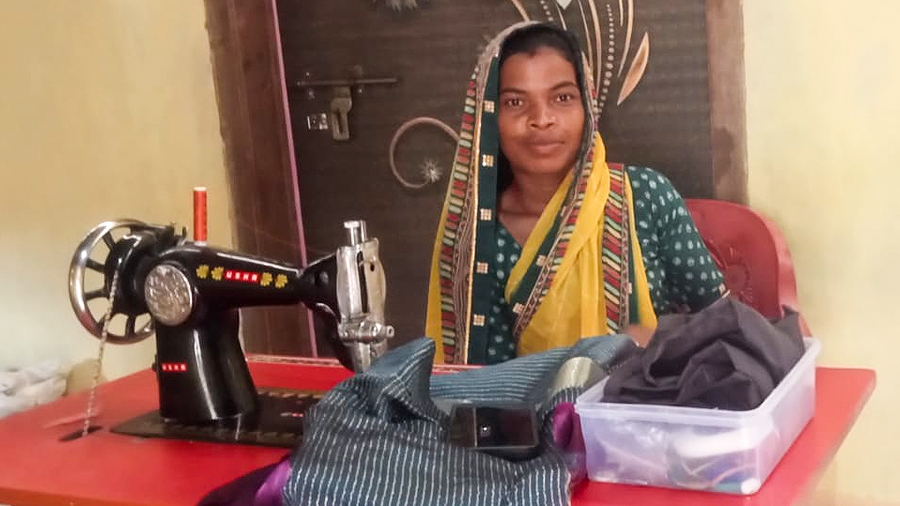
Every Stitch Keeps a Dream Alive
On the day Shiropati paid her children’s school fees from the money she earned through...
LEARN MORE 91 -11 - 2336 3390
  director@caritasindia.org


