
 91 -11 - 2336 3390
  director@caritasindia.org
 Timely intervention saved Laxmi’s life
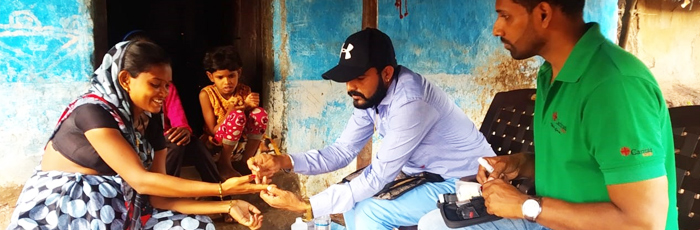
In July, Laxmi Anil was tested with a 4.9 g/dL Haemoglobin level which is extremely low for her last stage of gestation. The normal Haemoglobin level for women is expected to be above 11.5 g/dL.
The Sabal nutrition Health Worker (NHW) immediately called for an ambulance to get her admitted to the hospital. Surprisingly, the pathology department retested Laxmi’s blood samples and overestimated the count to present her normal. The NHW met the doctor and showed Laxmi’s preliminary record taken through the Haemoglobin (Hb) measurement device under the Sabal programme. The medical staff of the block health centre were well acquainted with Sabal initiatives, and they do acknowledge the data and facts of the programme. After a close examination of the Laxmi, the doctor referred her for iron supplements and other supplementary packets.
After 5 days, Laxmi was re-tested for Haemoglobin status by the Sabal team which showed an increase of 9.5 g/dL. Her health started improving with regular follow-up and timely monitoring by the NHW. She gave birth to the child in the same health centre after proper counselling.
Anaemia is a major cause of maternal mortality in India and it doubles the risk of death during pregnancy and leads to poor physical and mental growth in children. Nutritional anaemia is one of the primary reasons for close to 50 per cent of maternal deaths in 2018.
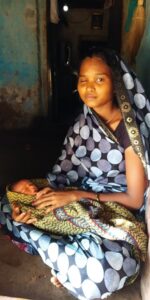
Caritas India Sabal was instrumental in saving Laxmi with timely testing and support. The Haemoglobin (Hb) measurement device proved lifesaving equipment for the Sabal team. This measurement device was integrated into the Sabal programme to assess the anaemic status of mothers for ensuring timely medical assistance. Though health workers keep the health records of all the mothers in the area, this device helped in cross-checking the reliability of the data.
Initially, the Sabal programme used to access the health of high-risk mothers through BMI (body mass index) calculation and assessing the visible signs of haemoglobin from the eyes and nails of the beneficiaries. Regular health profiling of pregnant mothers through home visits helped in enrolling and ensuring Anganwadi benefits like dry ration kit, nutrition garden seeds, millet grain packets to the beneficiaries.
With the support and care received from the team, Laxmi is now more confident and also praise the NHW acknowledging “Aap logo ne dekha isley main bachi hu; warna karyakarta ye sab kaha dekhti” (You all have monitored my health that is why I am alive; else institutional workers do not have cared much).
Upcoming News
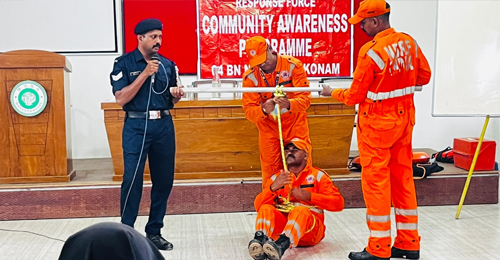
Ropes and Sacks Become Lifesaving Tools as NDRF Trains Wayanad’s First Responders
Long before an ambulance can reach a flooded village or a landslide hit hillside, it...
LEARN MORE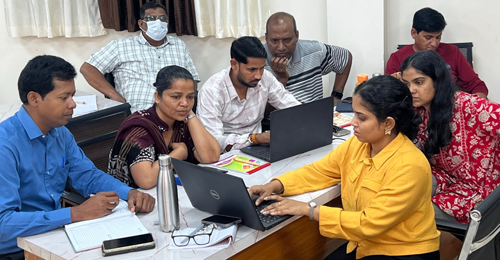
Caritas India Trains Partner Organisations in Evidence Based Project Proposal Writing
Some of the strongest community projects never get built, not for lack of need or...
LEARN MORE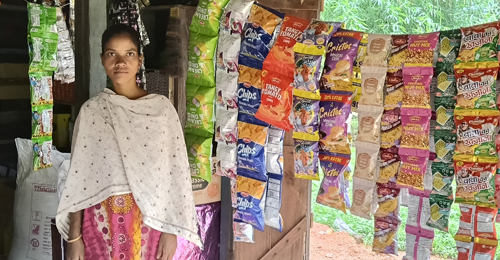
A Grocery Shop, a Mother’s Resolve, and Three Daughters Who Stayed in School
Three young girls in this remote village are attending school regularly today because their mother...
LEARN MORE 91 -11 - 23362735
  director@caritasindia.org


