
 91 -11 - 2336 3390
  director@caritasindia.org
 Tribal Pride Takes Centre Stage as Madhya Pradesh Villages Mark World Indigenous Peoples Day 2026
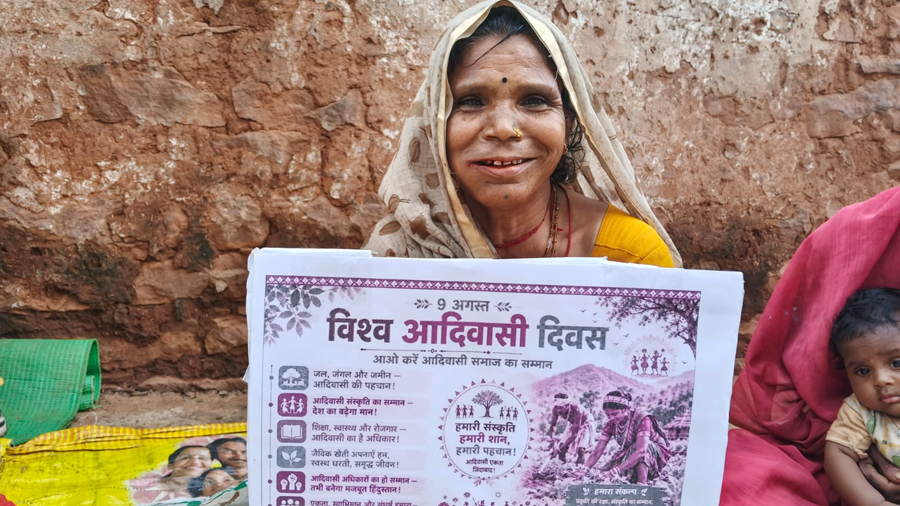
Drums echoed through Gondai and Thoda villages on 9 August as tribal communities came together to celebrate World Indigenous Peoples Day 2026, marking not just a date on the calendar but a living reminder that culture, land, and identity remain inseparable from one another for India’s tribal communities.
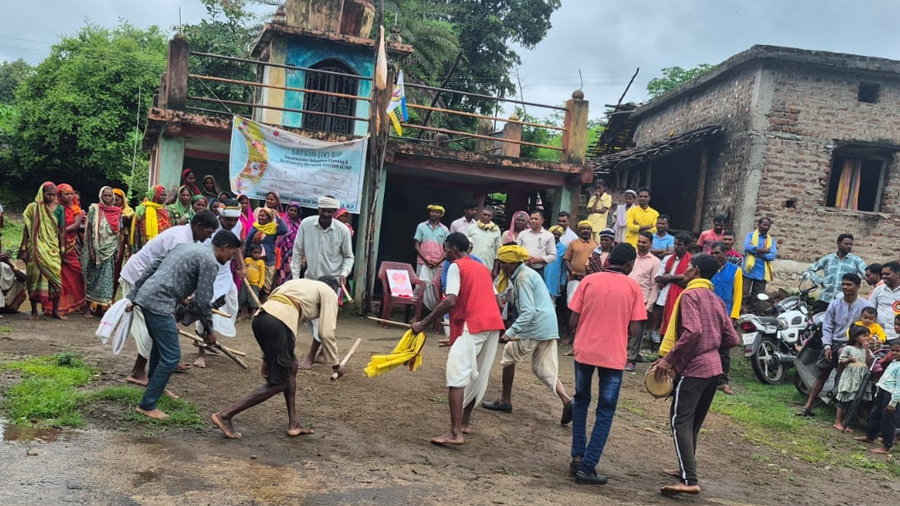
The twin celebrations, held under the SAFBIN IV Programme, brought together 145 participants, 45 men, 80 women and 20 children, across Gondai Village in Sagar District and Thoda Village in Mandla District. The programme was jointly organised with support from Caritas Austria, in partnership with Manav Vikas Seva Sangh, Sagar, and Madhya Pradesh Samaj Seva Samittee, Bhopal.
Why World Indigenous Peoples Day Matters
Observed globally on 9 August, World Indigenous Peoples Day exists to recognise the identity, dignity, rights and contributions of tribal and indigenous communities worldwide. In India, where tribal populations carry centuries of ecological wisdom, oral tradition and community governance, the day serves as more than commemoration. It is a call to action against the quiet erosion of tribal identity caused by displacement, migration, changing lifestyles and limited awareness of legal rights and entitlements.
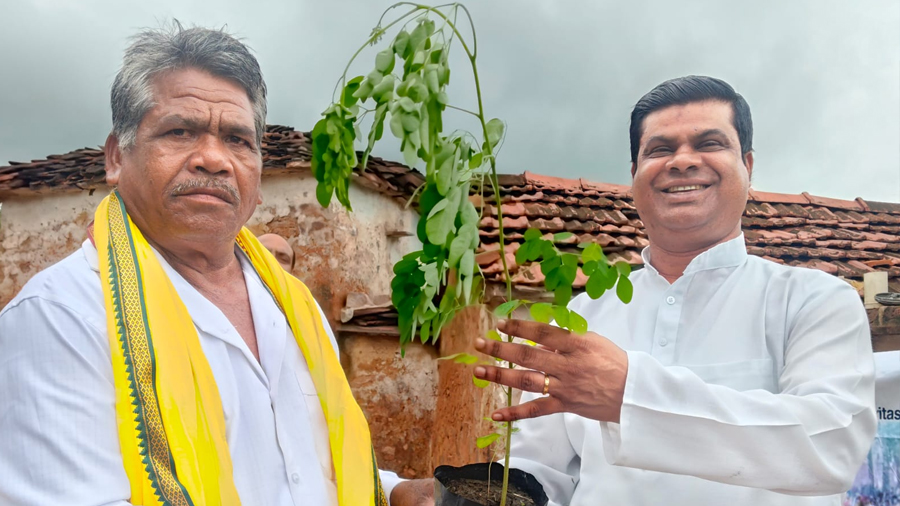
“World Indigenous Peoples Day is an important opportunity to recognise the identity, dignity, rights and contributions of tribal communities,” said Fr. Thomas Phillip, Director of Manav Vikas Seva Sangh, speaking at the Gondai celebration. He pointed to the deep connection between traditional knowledge and nature that defines tribal life, and outlined SAFBIN’s focus on sustainable livelihoods, ecological farming, biodiversity conservation and community development.
Honouring Tribal Leaders and Living Traditions
The celebrations opened with a tribute to King Sangram Shah and King Hriday Shah, the great tribal rulers of Mandla, whose photographs were honoured with flowers and tilak before the Gondwana Community flag was raised high above the gathering. For many in the crowd, the moment carried weight beyond ceremony, a reminder of the sacrifices earlier generations made to protect their land, culture and people.
Village rallies followed in both locations, giving way to performances that turned the day into a living classroom of tribal heritage. Men performed the energetic Saila dance while women presented the graceful Reena dance and traditional folk songs. Children joined in with songs passed down through generations, proof that culture in these villages is not stored away in memory but practiced, danced and sung in the present.
“Our culture is our identity,” said Ramesh Yadav, an Outreach Worker with MPSSS. “When children and young people learn our traditional songs, dances, farming practices and stories, they keep our heritage alive. Development is important, but it should not come at the cost of our identity, natural resources and traditional knowledge.”
Tribal Rights, Land and Environmental Conservation Take Centre Stage
Beyond the celebration, the day carried a serious message about rights and resources. Tribal communities have long depended on forests, land, water and biodiversity, holding generations of knowledge about sustainable use that formal science is only beginning to appreciate. Participants were encouraged to see conservation and cultural survival as one and the same struggle, protecting forests and traditional crops is, in effect, protecting the future of the community itself.
A plantation activity carried this message into action, reinforcing that safeguarding nature and safeguarding tribal identity are two sides of the same commitment.
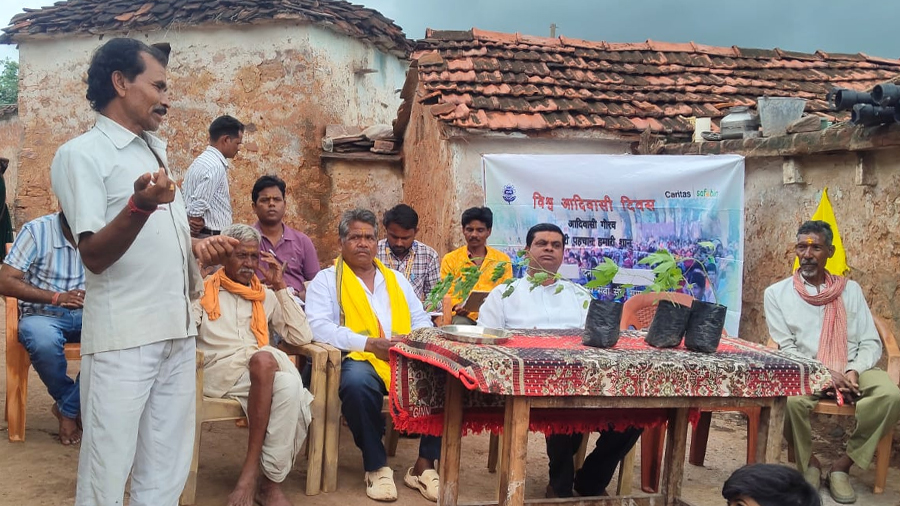
Jaikumar Sour, Tribal Youth President, urged young people in the audience to stay rooted in their heritage even as they pursue new opportunities. “Modern education and development should strengthen rather than weaken tribal identity,” he said, encouraging youth to carry their traditions forward while contributing to the growth of their villages.
Women and Youth Lead the Way in Cultural Continuity
Women took on a visible leadership role throughout the celebrations, carrying forward songs and dances that have passed through generations of mothers and daughters. Children experienced their heritage firsthand rather than through textbooks, and youth were called upon to take responsibility for cultural preservation, environmental protection and the future of their villages. This mix of generations in one celebration reflected something the programme organisers were keen to emphasise: that tribal identity survives not through nostalgia but through participation.
The day closed with an awareness rally focused on tribal unity, rights and entitlements, sustainable agriculture, and community participation in local development, alongside constitutional and legal provisions that protect tribal rights.
A Shared Commitment Beyond a Single Day
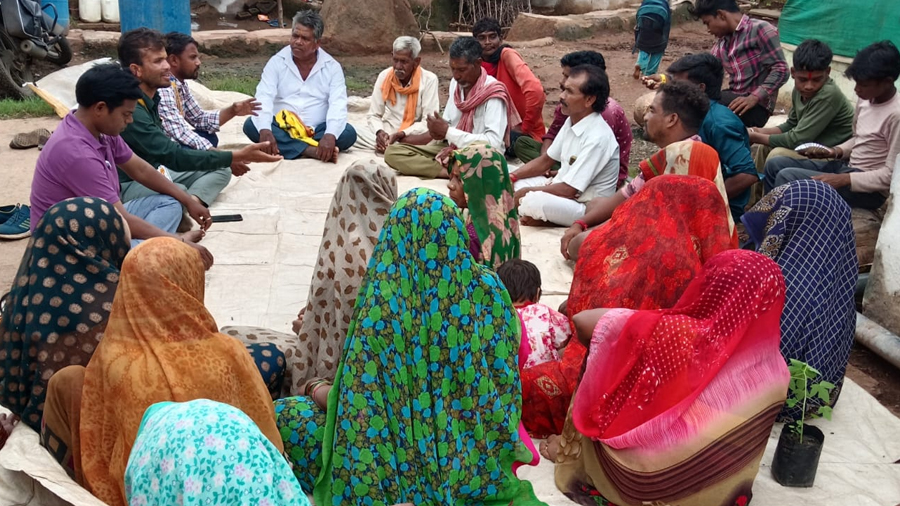 What unfolded in Gondai and Thoda was more than a cultural celebration. It was a statement that tribal identity, rights, dignity and environmental stewardship are deeply connected, and that protecting one means protecting all. The communities left with a shared resolve to preserve their cultural roots, strengthen awareness of their rights, protect traditional knowledge, promote ecological farming, and ensure women, youth and children continue to play a central role in shaping their villages’ future.
As displacement, migration and rapid development continue to reshape rural India, days like this one serve as a reminder of what is at stake, and of the resilience, pride and wisdom that tribal communities continue to offer the wider world.
Upcoming News
Caritas India Showcases Grassroots Resilience and Women in Leadership at Bangkok Humanitarian Forum
Caritas India placed grassroots climate adaptation and women’s leadership at the centre of regional disaster...
LEARN MORE
Odisha Schools Armed for Disasters as Caritas India Equips Coastal Classrooms
Caritas India has handed over specialized Comprehensive School Safety Kits to four vulnerable educational institutions...
LEARN MORE
How Family Livelihood Built a Khushaal Bachpan in Bastipara
In Bastipara, a small hamlet of Kevradih village under Sirri Panchayat, Chhattisgarh most families depend...
LEARN MORE 91 -11 - 23362735
  director@caritasindia.org


