
 91 -11 - 2336 3390
  director@caritasindia.org
 WADI: A WAter-DIsinfection solution to prevent the waterborne diseases
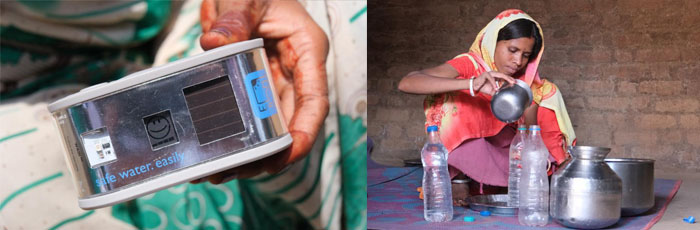
Caritas India in collaboration with the Austrian Social Enterprise Helioz, research, and development institution has launched a solar-powered UV-measurement device that serves as an indicator for the process of solar water disinfection in the villages of Khalwa and Dharni block of Maharashtra predominated by the Korku tribes.
Since ages, these villages don’t have access to safe drinking water facilities. Women of the families confront the problem to meet the daily need of water for their households. They walk miles to fetch water from the muddy pools and slurry water streams which they carry back home over their head.
Considering the drought situation, Caritas India had initiated various soil water conversation programmes through Sabal programme to mark some change in the low water level problem in these areas. Through the study, it was revealed that most of the water-related diseases spread during the peak summers and pre-monsoon.The community faces the incidences of water-borne diseases like diarrhoea, dysentery, cholera and typhoid and children are the one more susceptible to these diseases which leads them to malnutrition.
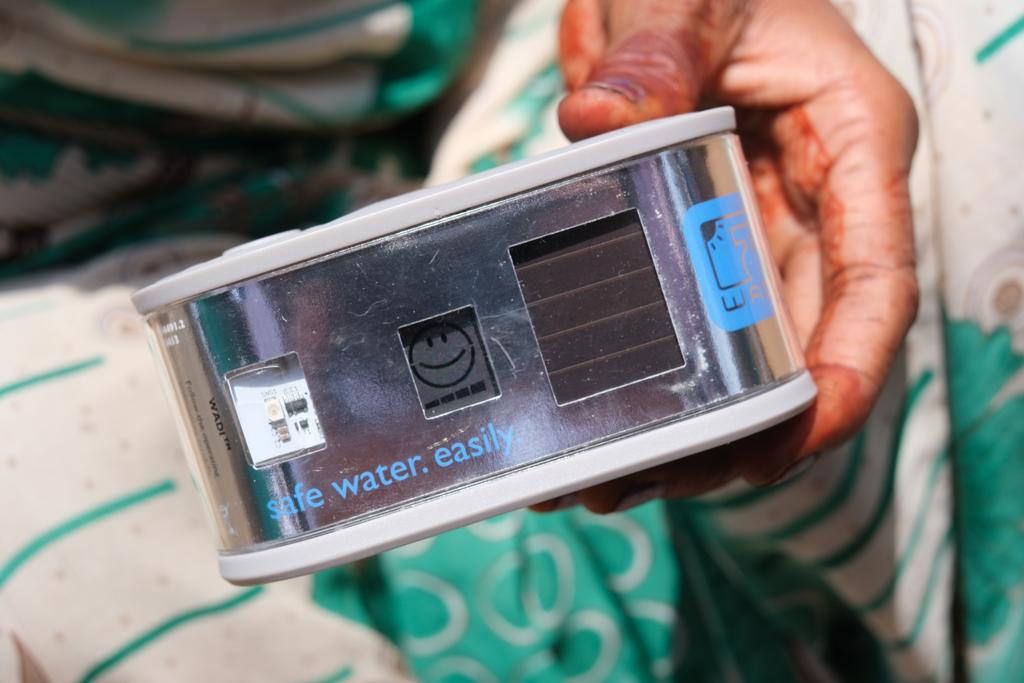
WADI i.e. WAter-DIsinfection is a device developed by the Austrian Social Enterprise Helioz to help disinfect water using the energy from Sun. This solar powered UV-measurement device helps to disinfect the water filled in the PET bottles exposed to the sun.
A happy smiley face on the WADI display indicates that the water in PET plastic bottles is safe to drink. It is also been approved and supported by the World Health Organization (WHO).
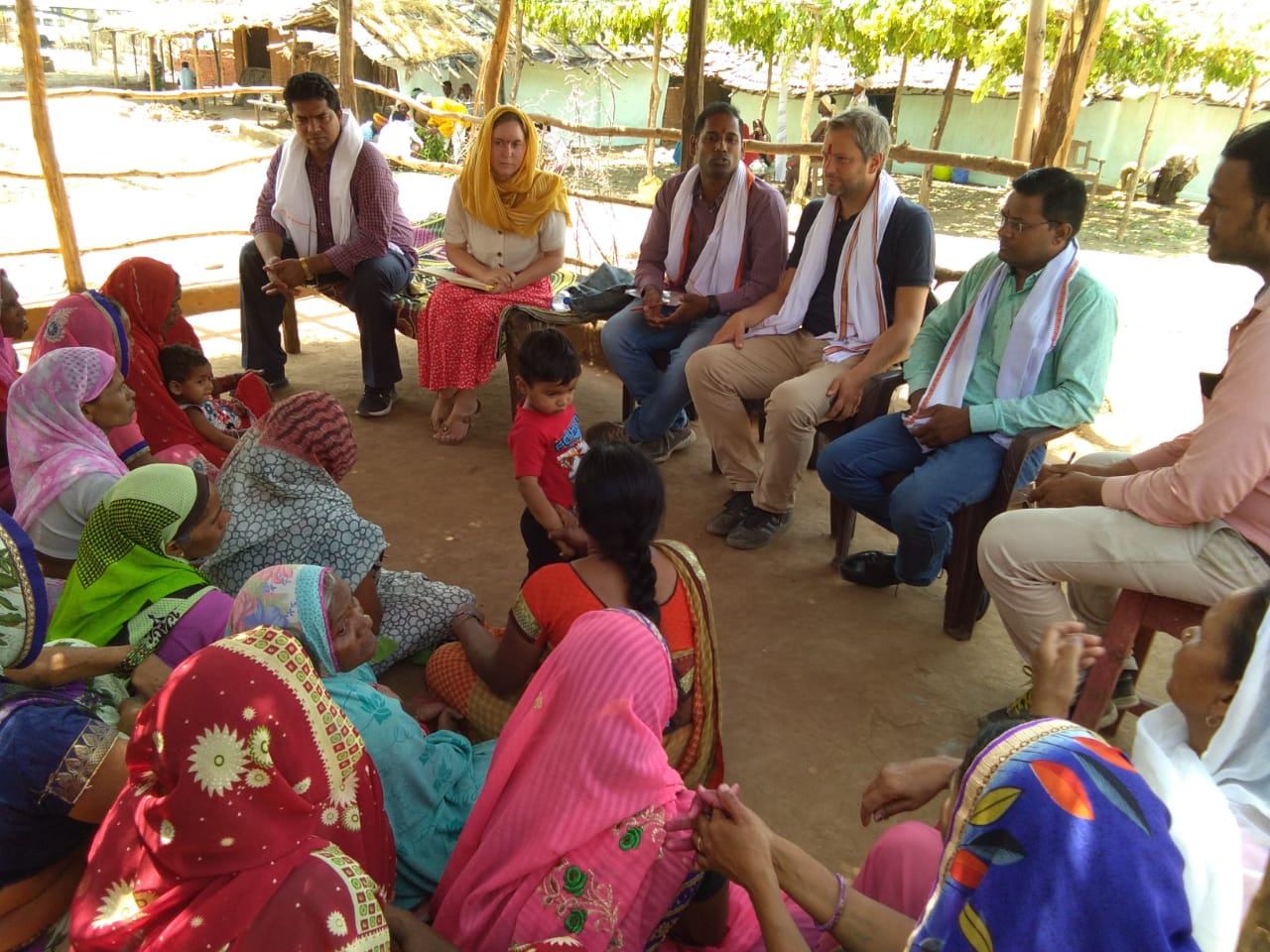
Mr. Riss Gregor and Ms. Barbara Oberfichtner, Project In-charge for India and Bangladesh from the Austrian Social Enterprise Helioz made a three-day visit from 21-23 May 2019 at Khandwa. The visit was organized by Caritas India in Chipoli and Gobarkahu villages of Dayasagar Social Centre, Dharni and Indrakheda, Dewalikalan and Dewalikhurd villages of Khandwa Diocesan Social Services, Khandwa. The visits record the experience of the beneficiaries who have started using the device. The device has been distributed to 250 households identified with malnourished children, pregnant and lactating mothers, adolescent girls and Under 5 children. The team interacted with the community and appropriate clarifications were given to satisfy the community.
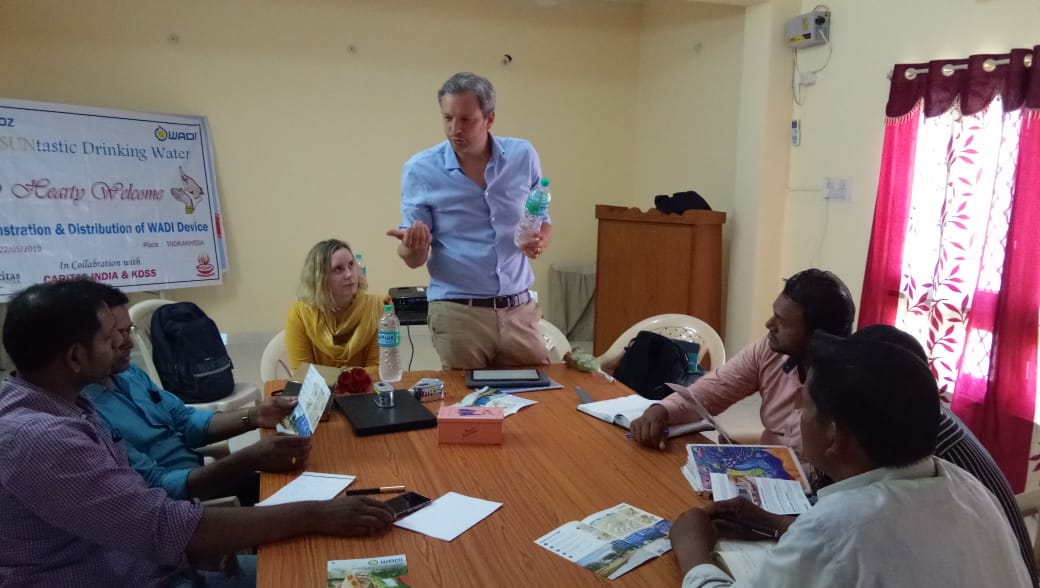
On 23th May 2019, an orientation cum planning meeting was held at KDSS training centre to develop the activities and corresponding timelines for the official initiation of the programme. WADI will be initiated in partnership with Khandwa Diocesan Social Services and Dayasagar Social Centre of Dharni block, Amravati district.
Upcoming News
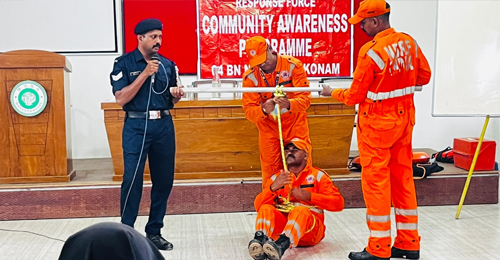
Ropes and Sacks Become Lifesaving Tools as NDRF Trains Wayanad’s First Responders
Long before an ambulance can reach a flooded village or a landslide hit hillside, it...
LEARN MORE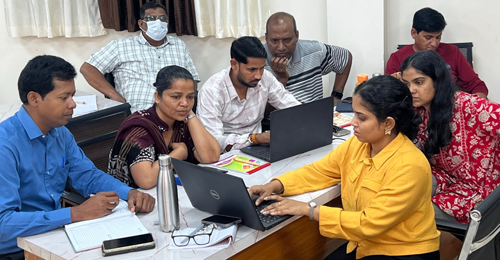
Caritas India Trains Partner Organisations in Evidence Based Project Proposal Writing
Some of the strongest community projects never get built, not for lack of need or...
LEARN MORE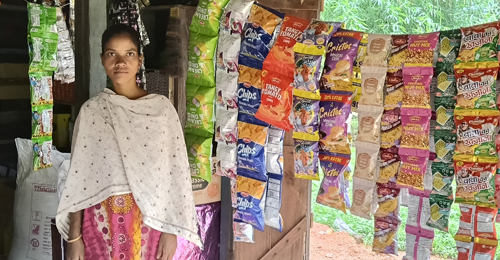
A Grocery Shop, a Mother’s Resolve, and Three Daughters Who Stayed in School
Three young girls in this remote village are attending school regularly today because their mother...
LEARN MORE 91 -11 - 23362735
  director@caritasindia.org


