
 91 -11 - 2336 3390
  director@caritasindia.org
 How Farmers Who Fought a Grasshopper Invasion with a Ten-Leaf Recipe
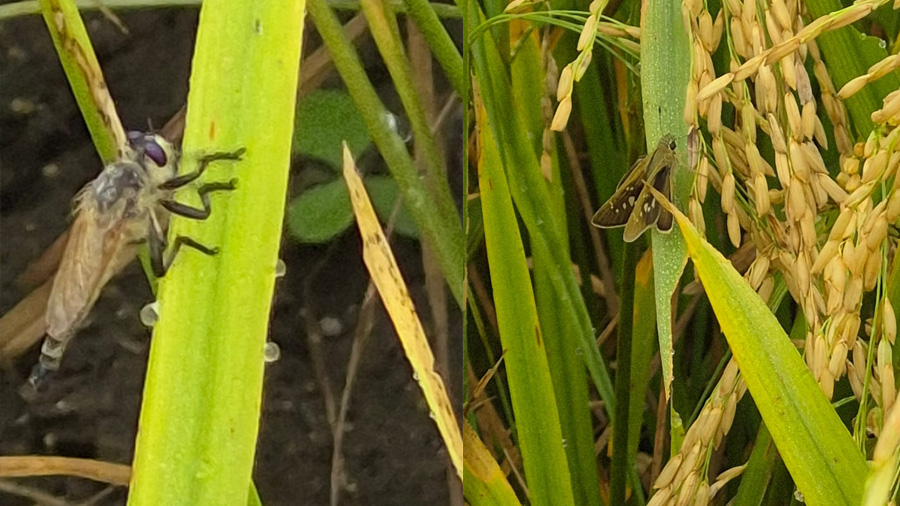
A paddy field in tribal central India, weeks away from harvest. The crop has survived the rains, the heat, and the long growing season. Then, almost overnight, the damage begins. Leaves appear cut along the edges. Panicles dry before the grain can form. And jumping across the stalks, in yellows and greens, are the culprits: grasshoppers, field hoppers, and the occasional locust swarm moving fast enough to undo months of work in days.
For smallholder farmers in Silpura, Ahmadpur, and surrounding villages in central India, this is not a rare bad year. It is a recurring reality. The panicle emergence stage, when paddy shifts from growing to grain-forming, is the most vulnerable window in the crop cycle. Lose it to pests, and you lose the harvest. Production losses of 15 to 20 percent are common. On a small farm where paddy is both food and income, that is not a statistic. It is the difference between a family eating well and a family falling short.
The obvious fix, reaching for chemical pesticides, comes with its own costs. Financial. Environmental. Long-term. Farmers knew this. What they needed was something that worked without making the problem worse.
They found the answer in their own kitchens and backyards.
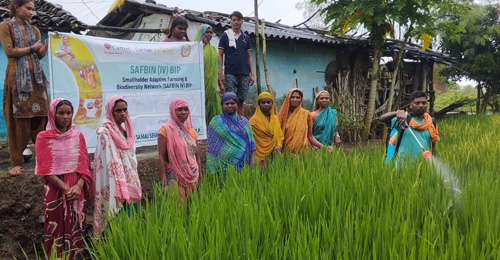
Through Farmer Field Schools under the SAFBIN programme, farmers began testing two traditional bio-extracts that their communities had long known about but rarely applied systematically. The first, Dashparni Ark, is prepared by fermenting leaves from ten local plant species with cow urine and water for 10 to 12 days. Think of it as a slow-brewed botanical repellent, drawing on the natural chemical properties of plants that insects instinctively avoid. The second, Lamit extract, is sharper in action: garlic, green chilli, tobacco, and cow urine combined into a contact spray that grasshoppers cannot tolerate.
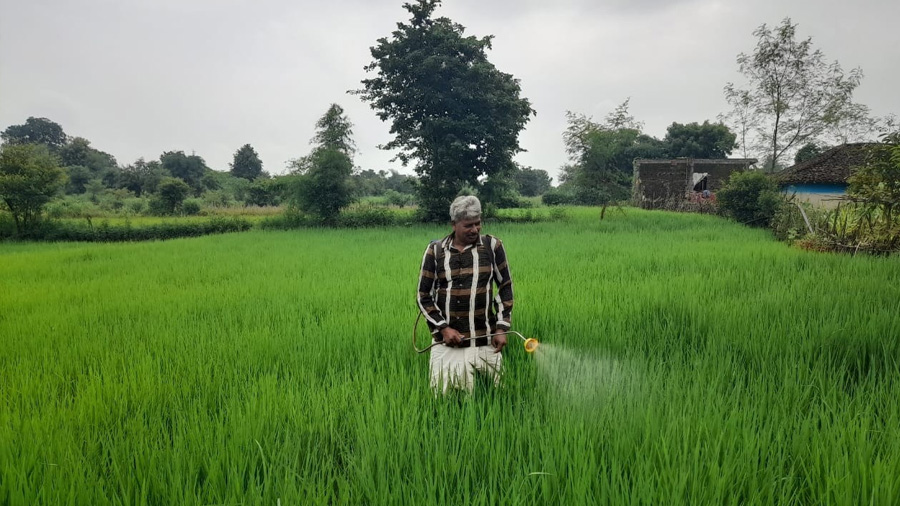
The strategy was layered. First, farmers cleaned up the fields, removing grasses from bunds where grasshoppers breed and using light traps and early morning hand collection to bring numbers down. Then came Dashparni, sprayed across the fields to slow feeding and protect beneficial insects like spiders and dragonflies that naturally keep pest populations in check. When Lamit was applied along field borders and pressure points in the second phase, grasshopper density dropped by 65 to 75 percent within 48 to 72 hours.
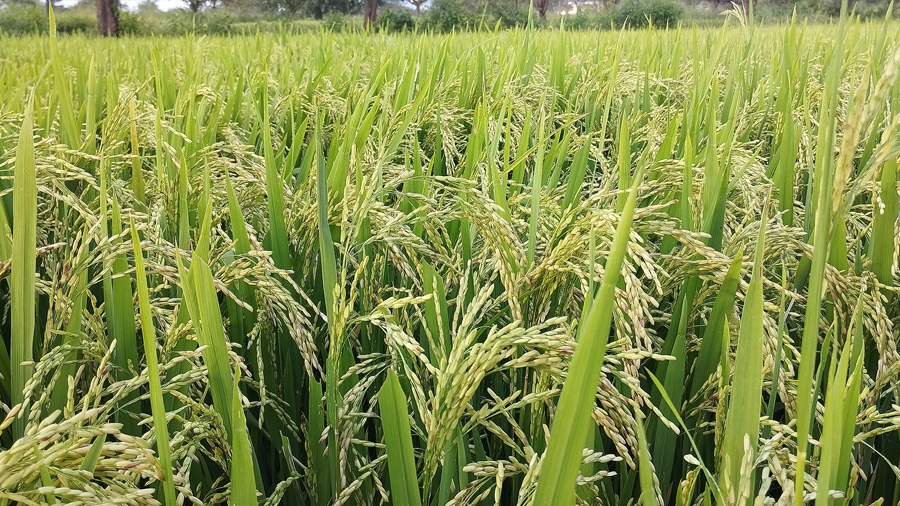
The panicles were saved. Grain filled properly. Yields improved by 10 to 18 percent across the trial plots compared to untreated fields. Farmers saved between 800 and 1,200 rupees per acre on pesticide costs. The soil stayed healthy. The natural predators stayed too.
Mr. Munna Maravi from Silpura, one of the lead farmers in the trial, put it plainly. “The pest activity reduced sharply within three days. This approach protected our panicles during a very critical stage.”
His neighbour Mr. Chandan Singh Tekam from Ahmadpur was equally direct. “These organic solutions were affordable, easy to prepare, and effectively protected the crop during panicle emergence.”
Word spread the way it always does in farming communities: through conversation, through watching, through trust. Farmers who had observed the trial plots began preparing Dashparni and Lamit on their own. What had started as a structured research exercise inside the Farmer Field School became something more organic: a community rediscovering confidence in its own knowledge.
This is the part that matters most for anyone working on food security, climate resilience, or sustainable agriculture. The science here is not imported or complicated.
It is local, low-cost, and it works. The farmers did not need to be taught something new. They needed a structured space to test what they already knew, compare results, and share what they found.
Upcoming News
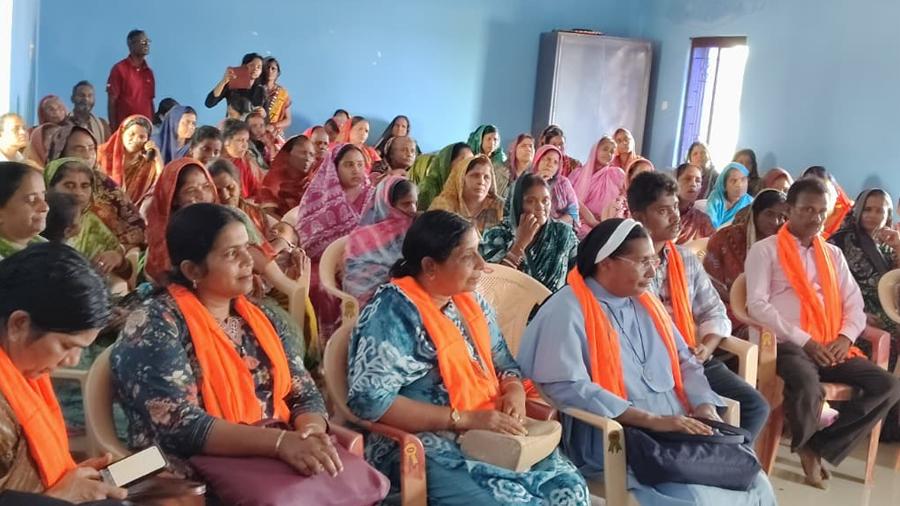
Kerala and Odisha Practitioners Come Together for Workshop on Humanitarian Aid and Disaster Risk Reduction
Disaster risk reduction practitioners from Kerala's Safe Within, Reconnect Wayanad and Vilangad Project travelled to...
LEARN MORE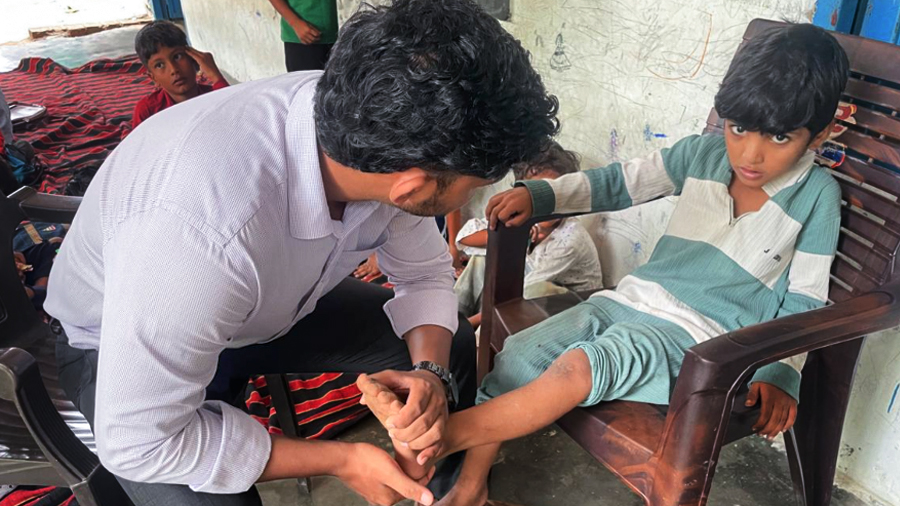
How Faiz Learned to Walk Again with Physiotherapy and Orthotic Support
There is a particular kind of heartbreak in watching your child want to play and...
LEARN MORE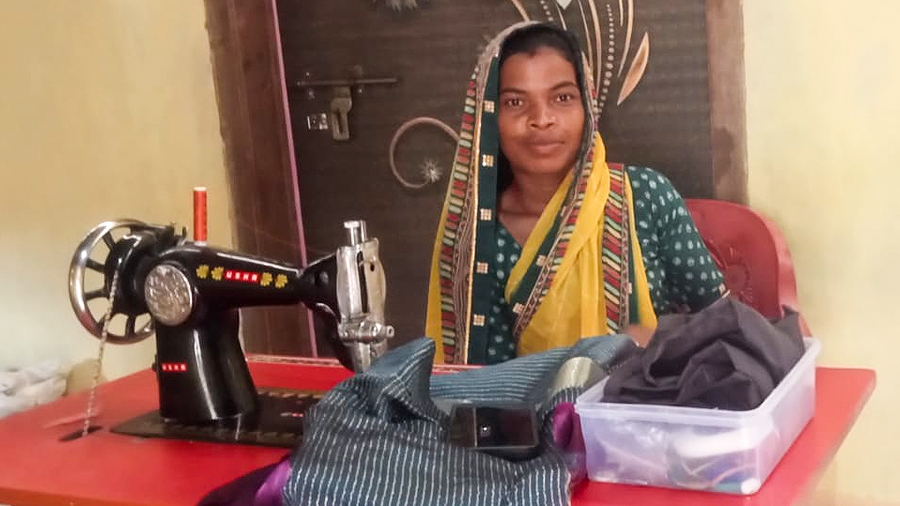
Every Stitch Keeps a Dream Alive
On the day Shiropati paid her children’s school fees from the money she earned through...
LEARN MORE 91 -11 - 2336 3390
  director@caritasindia.org


