
 91 -11 - 2336 3390
  director@caritasindia.org
 SafeWithin healing invisible wounds in Wayanad’s tribal hamlets
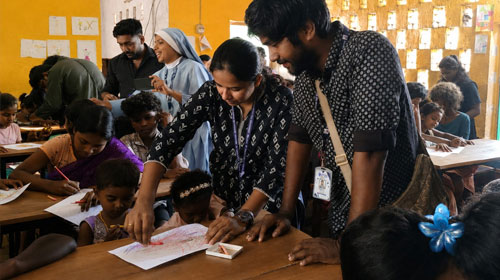
In the remote tribal hamlets of Wayanad, the scars left behind by disasters are no longer visible only in damaged homes or lost livelihoods. They continue to live silently within families through fear, emotional distress, addiction, isolation, and uncertainty.
Years after the devastating 2018 floods and the recent Wayanad landslides of 2024, many tribal communities are still struggling with deep psychosocial stress and social exclusion. While humanitarian support often focuses on rebuilding infrastructure and restoring livelihoods, the emotional and mental health crisis within vulnerable communities largely remains unseen.
Recognizing this growing concern, the Safe Within Project of Caritas India, implemented in partnership with the Wayanad Social Service Society (WSSS), has initiated a community based outreach programme called “Ooru Unarvu” meaning “Community Awakening.”
The initiative emerged from continuous engagement with tribal settlements where field teams observed increasing emotional stress, substance abuse, educational discontinuation, and weak access to institutional support systems.
“Many people still hesitate to interact with outsiders or participate in community programmes,” shared members of the WSSS team. “The trauma experienced during disasters continues to affect the community emotionally.”
During the floods and landslides, several families reportedly refused to move to relief camps due to fear, hesitation, and lack of trust. Even today, many remain socially withdrawn within their settlements.
Alcohol addiction has become one of the major concerns affecting families in these communities. Many men depend on daily wage labour, but a significant part of their earnings is spent on alcohol, often leading to domestic conflict, emotional stress, and insecurity for women and children.
Educational challenges are equally visible. Many children discontinue studies after Class 10 due to financial hardship and limited awareness about higher education. Boys often move into manual labour work, while girls engage in domestic work to support family income.
Though several government welfare schemes exist, access remains weak. Many tribal families are either unaware of available services or struggle to navigate institutional systems effectively. Health related issues also continue to persist, as many community members hesitate to seek regular medical care or follow up treatment from public health centres.
Livelihood insecurity and lack of basic facilities further deepen vulnerability. Water scarcity remains a serious challenge in several hamlets. Families largely survive through wage labour, honey collection, and forest produce gathering, with unstable and seasonal income sources. Housing insecurity also continues, as some families who received housing approvals are unable to construct homes due to land ownership complications and forest related permissions.
Against this backdrop, Ooru Unarvu attempts to address these issues through a more human centred and integrated approach.
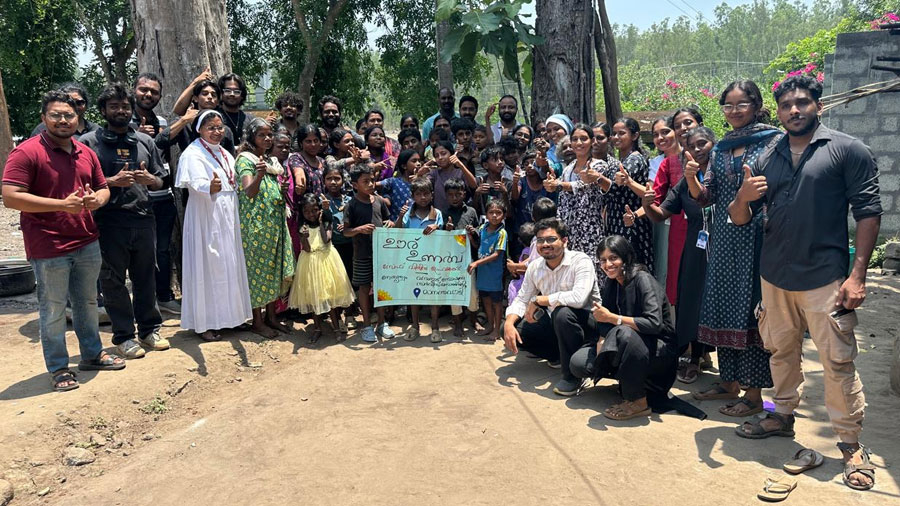
Unlike conventional awareness programmes conducted in centralized locations, the initiative directly enters tribal settlements and spends time with families through conversations, games, cultural activities, psychosocial interactions, and awareness sessions. The effort combines mental health support with discussions on addiction, child wellbeing, hygiene, education, disaster preparedness, and social resilience.
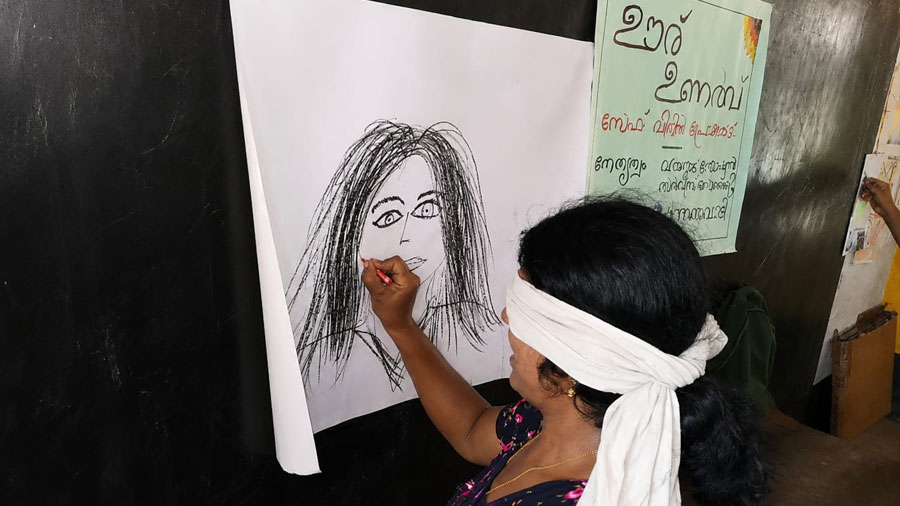
One of the major strengths of the initiative is its emphasis on trust building and local participation. WSSS has already trained nearly 100 psychosocial volunteers to strengthen emotional support systems within communities. Two rounds of specialized psychosocial training programmes have also been conducted with expert support.
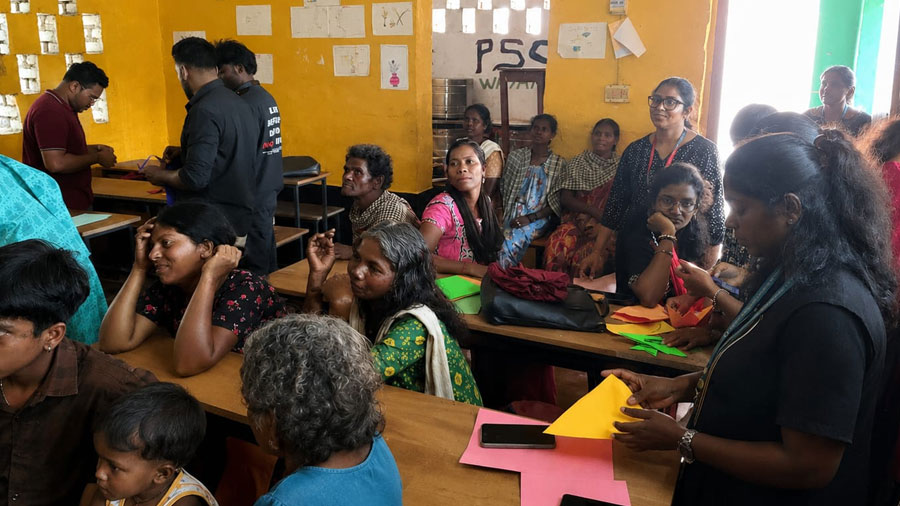
This year, the programme plans to reach four tribal hamlets, with one intervention already completed. Follow up interactions and supportive activities continue to ensure long term engagement with the communities.
For many families, the initiative has become more than an awareness programme. It is slowly creating spaces where people feel heard, supported, and included.
In Wayanad’s tribal settlements, where disasters have left invisible emotional wounds alongside physical destruction, the Safe Within Project is attempting to rebuild trust, dignity, and human connection.
Upcoming News
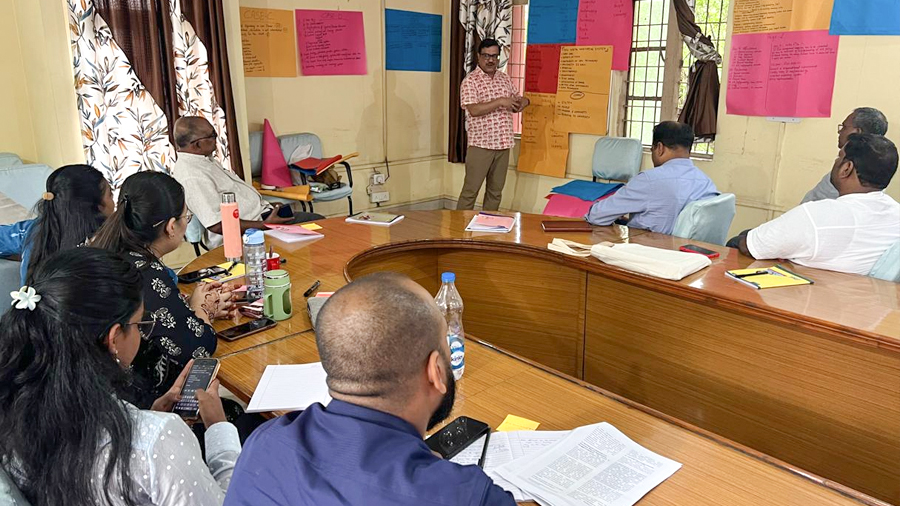
When NGOs Grow, What Breaks First? Caritas India Tackles the Answer in Raipur
Three-day workshop arms executive leaders with governance tools, a 20-policy framework and practical fixes for...
LEARN MORE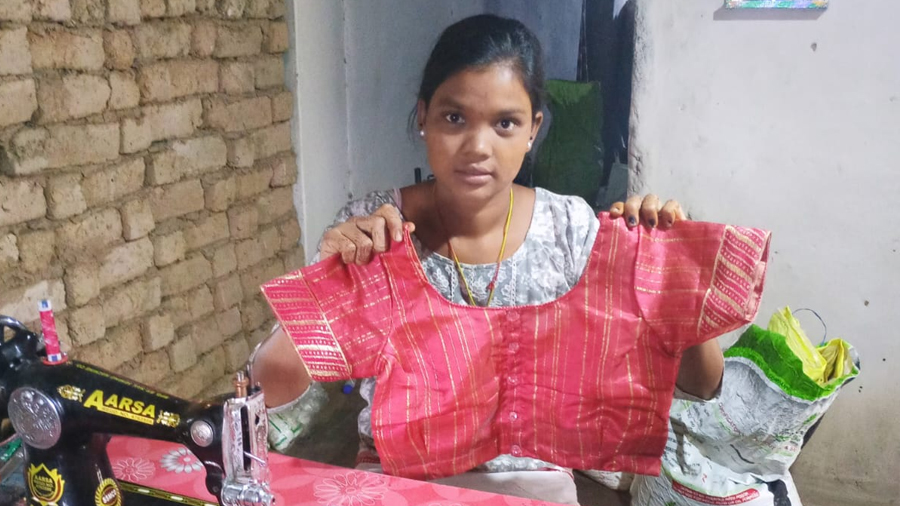
Nine Kilometres Through the Jungle: How Poornima Stitched Her Own Future
For 19 year old Poornima Rawat of Rajamma village in Lailunga block of Chhattisgarh's Raigarh...
LEARN MORE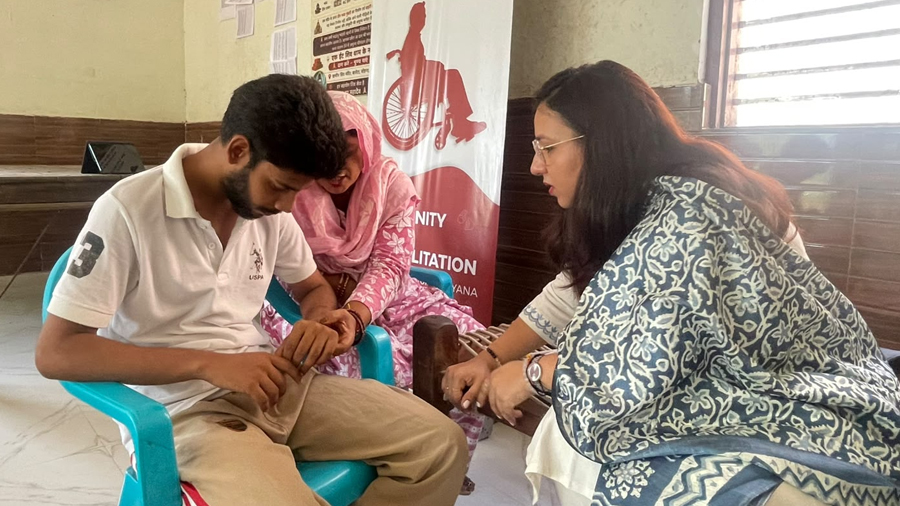
In a Nuh Village, People Living With Mental Illness Finally Got to Speak, and Be Heard
Nine people sat in that room in Barota village, Nuh district, Haryana, each carrying a...
LEARN MORE 91 -11 - 23362735
  director@caritasindia.org


