
 91 -11 - 2336 3390
  director@caritasindia.org
 Caritas India trains 31 safeguarding resource persons across India
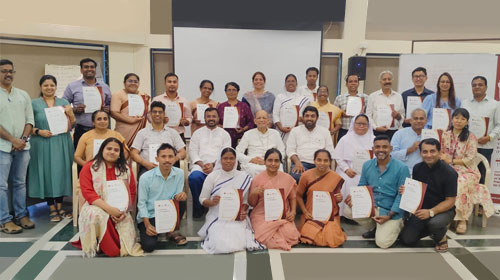
Caritas India completes advanced safeguarding ToT in Mumbai, creating a network of 31 regional trainers across India
Questions around safety, accountability, and protection are no longer confined to policy discussions. Across institutions working with children and vulnerable adults, there is growing recognition that safeguarding must become part of everyday practice, systems, and culture.
Responding to this need, Caritas India, with the support of Caritas Asia, organised the third and final module of the Safeguarding Training of Trainers (ToT) Program from 13 to 15 May 2026 at the Sarvodaya Capacity Building Centre.
The advanced level training brought together participants from Jharkhand, North East, Northern and Karnataka regions along with the Caritas India team. With the completion of the three-module process, 31 participants have now been trained as regional safeguarding resource persons who will further support dioceses, Church institutions, and social ministry organisations in strengthening safeguarding practices and awareness at different levels.
The final module focused on practical and system-based approaches to safeguarding. Sessions covered safeguarding risk assessment, stakeholder mapping, Internal Complaints Committee mechanisms, investigation procedures, survivor centred approaches, institutional case management, and referral systems for survivor support.
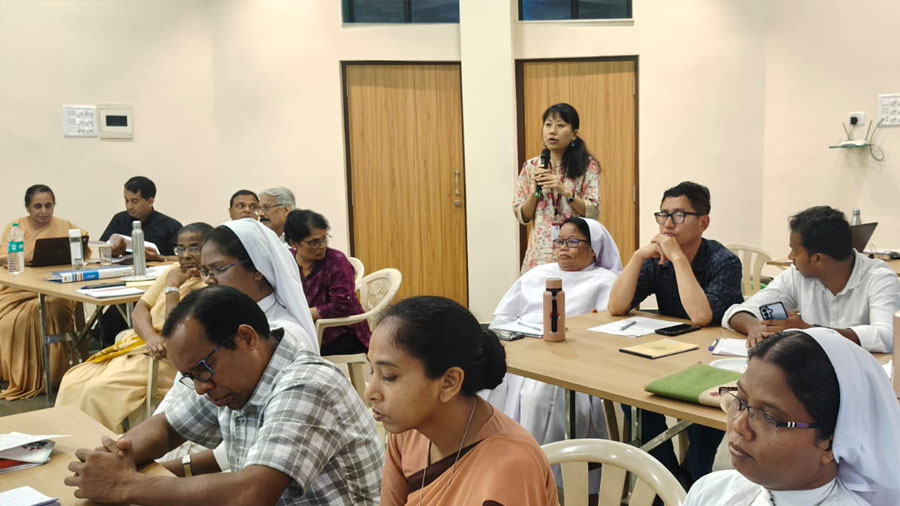
The training created space for open discussion, reflection, and practical learning. Participants engaged in case studies, group exercises, and institutional scenarios to better understand how safeguarding concerns can emerge within organisational spaces and how systems can respond with sensitivity and accountability.
Many participants shared that their understanding of safeguarding had significantly evolved through the training journey.
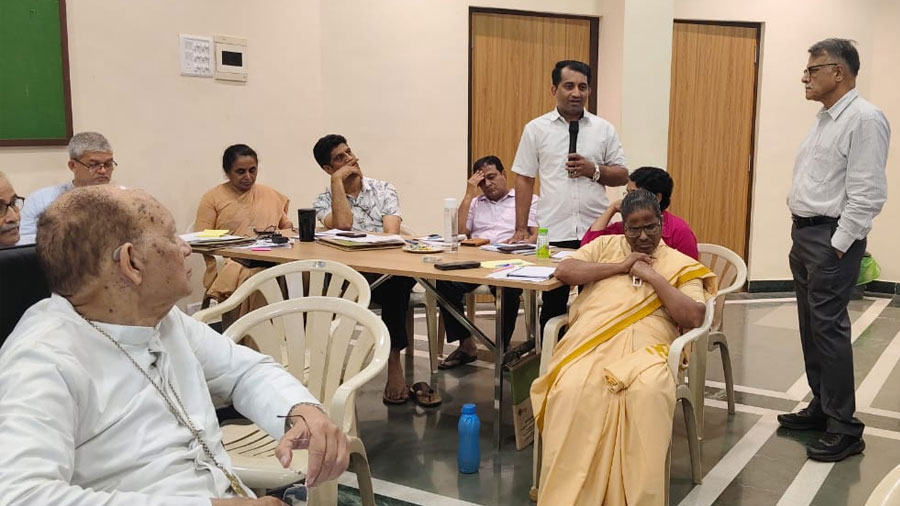
“For many of us, safeguarding was initially understood only as child protection. Through these modules, we realised it is also about dignity, responsible behaviour, safe environments, and institutional accountability,” shared one participant during the reflection session.
Dr. Dileesh Varghese from Caritas India facilitated sessions on safeguarding risks and stakeholder mapping, helping participants identify vulnerabilities and strengthen preventive mechanisms within organisations. Sessions led by Ms Catherine Kune and Ms Sunita Ashwin focused on the functioning of Internal Complaints Committees, handling safeguarding concerns, and practical procedures involved in investigation and case management.
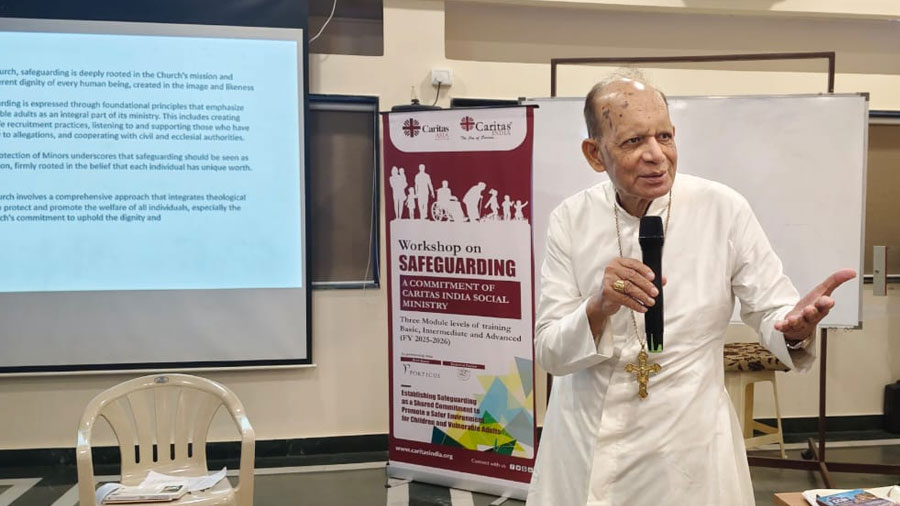
An important highlight of the program was the session by His Eminence Cardinal Oswald Gracias, Archbishop Emeritus of Bombay on the implementation of Vos Estis Lux Mundi (You are the light of the world) within the Indian Church context. Through practical examples and reflections, he stressed the importance of accountability, justice, compassion, and responsible institutional response in safeguarding matters.
Sr. Arina, Member of the Pontifical Commission for the Protection of Minors, shared perspectives on emerging safeguarding initiatives across Asia and encouraged stronger collaboration among Church institutions to create safer environments for children and vulnerable adults.
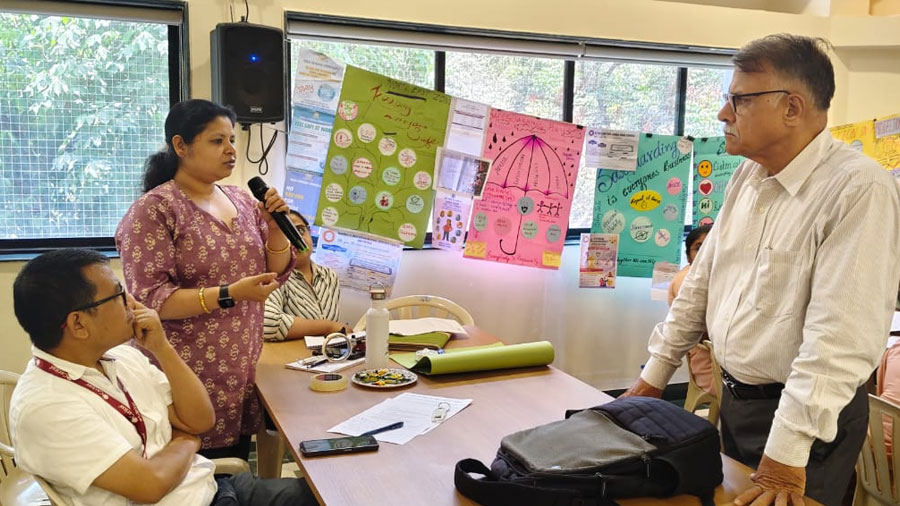
The training also addressed growing concerns related to digital safety and online abuse involving children. Former Additional Deputy Commissioner of Police, Mr. Shirish Inamdar and Mr. Ronnie Mendonca, Former Commissioner of Police, Mumbai led sessions on cyber risks, online exploitation, and preventive measures institutions can adopt to respond to emerging challenges in digital spaces.
Fr. Jervis Cosmos D’Souza from the St. Joseph Safeguarding Centre facilitated sessions on safeguarding procedures, institutional good practices, and ethical responsibilities within Catholic organisations. A panel discussion involving safeguarding practitioners and Church representatives encouraged participants to reflect on practical experiences, challenges, and opportunities for strengthening safeguarding systems within dioceses and institutions.
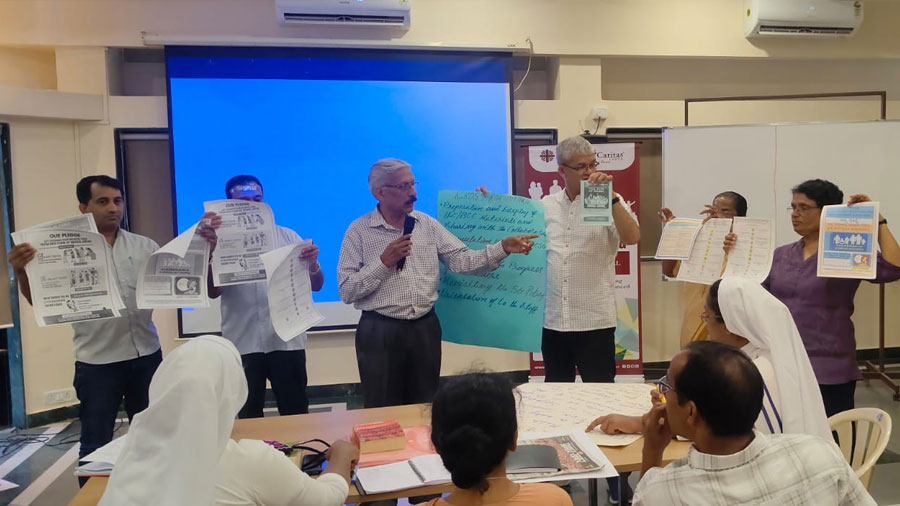
Participants also appreciated the safeguarding IEC materials developed by the Caritas India team for their clarity, relevance, and contextual approach in promoting awareness at community and institutional levels.
The program concluded with the presentation of a way forward plan focused on strengthening safeguarding initiatives at the national level, enhancing safeguarding systems among partner organisations and dioceses, and deepening collaboration with safeguarding resource centres and networks.
Certificates were awarded to participants who successfully completed the Basic, Intermediate, and Advanced safeguarding modules. The certification session was facilitated by His Eminence Cardinal Oswald Gracias along with Fr. Benny Edayath, Assistant Executive Director of Caritas India.
The training reaffirmed Caritas India’s continued commitment to promoting safeguarding as an essential part of the Church’s social mission and building safer, more accountable environments across dioceses, institutions, and communities in India.
Upcoming News
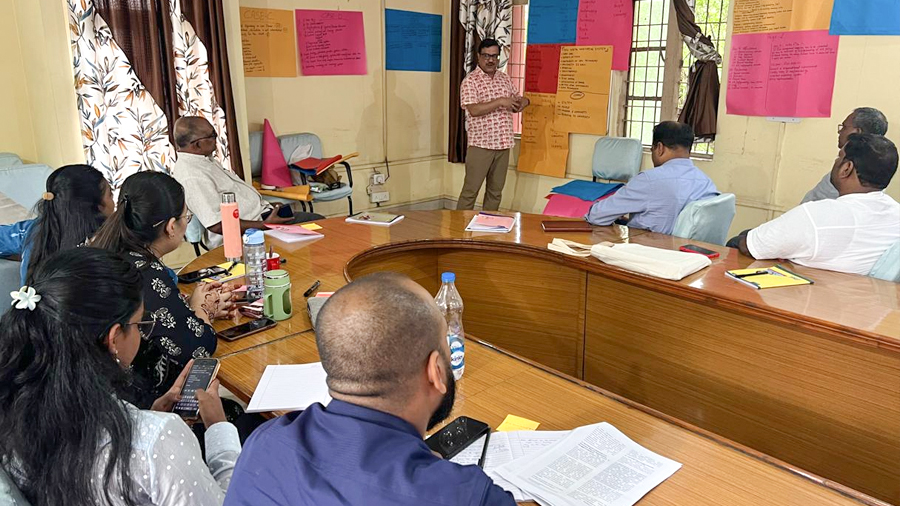
When NGOs Grow, What Breaks First? Caritas India Tackles the Answer in Raipur
Three-day workshop arms executive leaders with governance tools, a 20-policy framework and practical fixes for...
LEARN MORE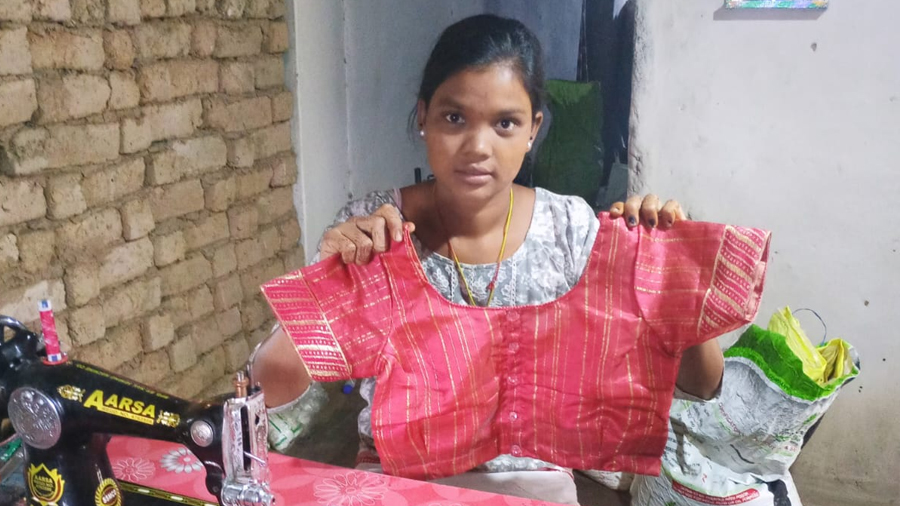
Nine Kilometres Through the Jungle: How Poornima Stitched Her Own Future
For 19 year old Poornima Rawat of Rajamma village in Lailunga block of Chhattisgarh's Raigarh...
LEARN MORE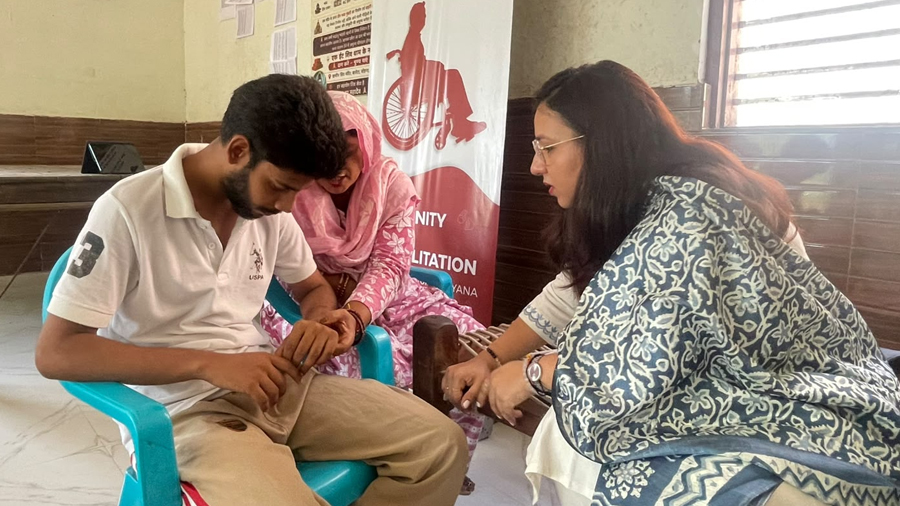
In a Nuh Village, People Living With Mental Illness Finally Got to Speak, and Be Heard
Nine people sat in that room in Barota village, Nuh district, Haryana, each carrying a...
LEARN MORE 91 -11 - 23362735
  director@caritasindia.org


