
 91 -11 - 2336 3390
  director@caritasindia.org
 The Pre-Monsoon Shield Protecting Tripura’s Livestock
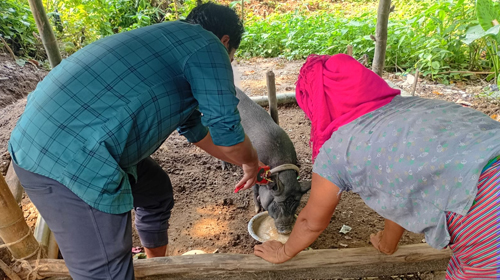
In a major push for pre-monsoon disaster risk reduction (DRR), Caritas India, under its SARAL program supported by Caritas Italiana, has rolled out a preventive livestock vaccination campaign across the flood-prone villages of Korbook block in Tripura. Executed in close collaboration with the local Government Veterinary Department, the timely intervention has successfully immunized 260 livestock in four SARAL-supported villages and one neighboring hamlet, establishing a vital economic shield for vulnerable agrarian families just weeks before the heavy monsoon rains arrive.
The multi-village campaign tackles a critical vulnerability in rural Tripura where the annual loss of livestock was addressed and serves as the primary financial safety net for marginalized smallholders when floods submerge their agricultural lands. By shifting the focus from emergency post-disaster relief to active pre-disaster preparedness, the SARAL initiative has provided critical vaccines, essential antibiotics, and vitamin supplements to strengthen animal immunity, directly mitigating the threat of waterborne disease outbreaks that routinely decimate rural assets.
For the vulnerable communities in remote pockets like Korbook, the stakes of seasonal flooding extend far beyond crop destruction. When the monsoon rivers overflow, fields disappear under water for weeks, cutting off marginal farmers from daily wage labor and agricultural income. During these periods of displacement, livestock such as cattle and goats become a family’s singular economic lifeline.
However, the floodwaters bring a secondary crisis. Stagnant reservoirs contaminate local drinking supplies, create severe fodder shortages, and subject animals to extreme physical stress, leaving them highly susceptible to fatal infections. For a smallholder family, losing an animal during a flood means losing their primary alternative source of revenue, plunging them deeper into a cycle of debt aggravated by high medical bills and capital asset loss.
To systematically break this cycle, the Caritas India SARAL program integrated the vaccination drive with its We4Resilience framework and off-farm livelihood capacity-building models. The strategy utilizes a participatory approach that transforms passive beneficiaries into active responders through structured phases.
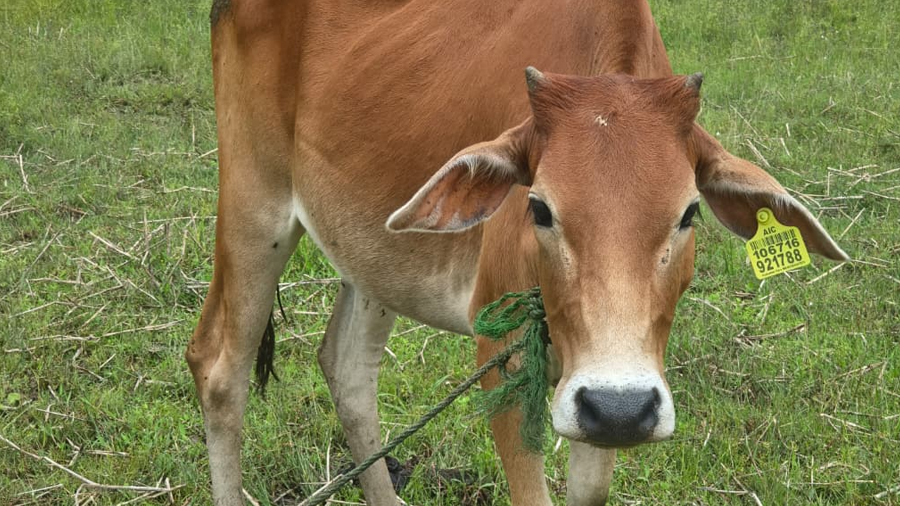
By bridging the gap between isolated rural habitations and state-level veterinary services, the program ensures that smallholder farmers receive both immediate medical assets for their herds and the technical knowledge required to manage animal health effectively in high-water environments.
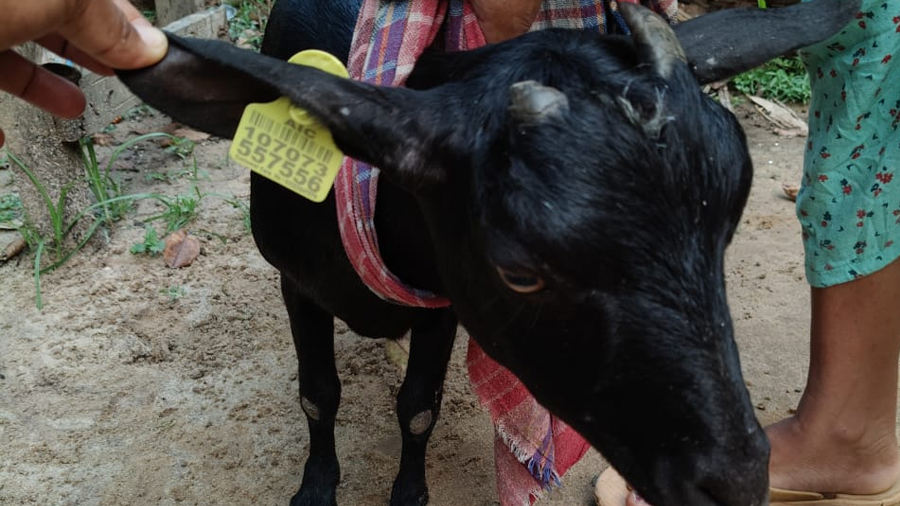
The pre-monsoon drive has significantly minimized the anticipated post-flood economic shock by reducing livestock mortality and lowering treatment expenses. More importantly, it has fundamentally transformed community perspectives on climate adaptation from fear to active resilience.
“Earlier, floods meant illness and losses for my livestock; now, with preventive vaccination, my animals stay healthy and my livelihood feels secure.”
— Ms. Angbai Mog, Powang Bari village
For many residents in these remote terrains, the camp provided a critical baseline of security that was previously out of reach due to geographical barriers and initial systemic hesitation.
“This is the first time my livestock have been vaccinated. As a result, I am confident that they are now protected from disease outbreaks during and after floods.”
— Mr. Manik Jamatia, Tingoria Village
While the intervention successfully navigated hurdles like remote geographical access and early vaccine hesitancy through aggressive community mobilization, project coordinators emphasize that long-term sustainability requires institutional continuity.
The SARAL project demonstrates that protecting the primary assets of livestock-dependent households is a corner-stone of sustainable disaster risk reduction, proving that timely, preventive investments are far more effective at preserving human dignity and rural economies than reactive relief.
Upcoming News
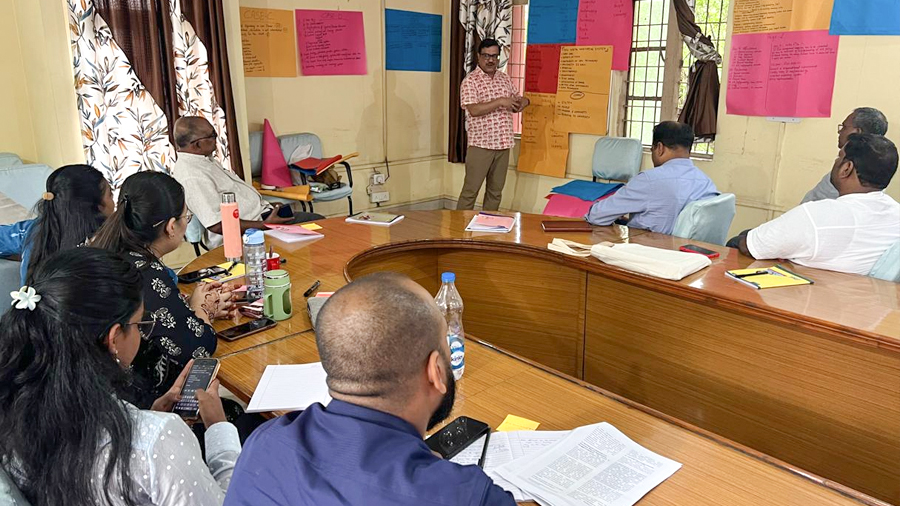
When NGOs Grow, What Breaks First? Caritas India Tackles the Answer in Raipur
Three-day workshop arms executive leaders with governance tools, a 20-policy framework and practical fixes for...
LEARN MORE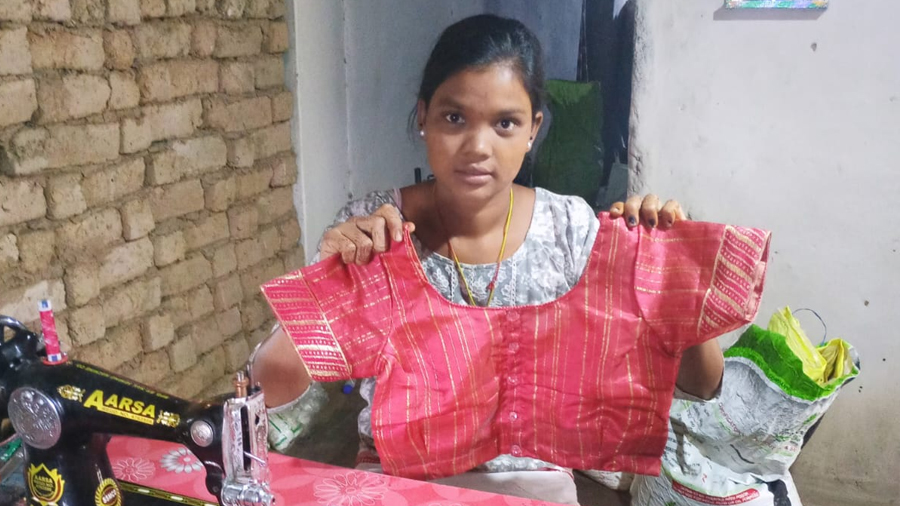
Nine Kilometres Through the Jungle: How Poornima Stitched Her Own Future
For 19 year old Poornima Rawat of Rajamma village in Lailunga block of Chhattisgarh's Raigarh...
LEARN MORE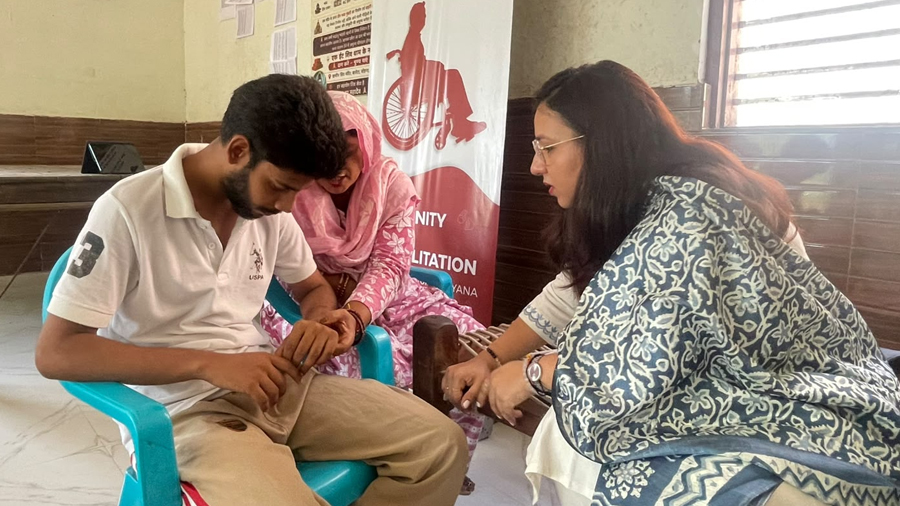
In a Nuh Village, People Living With Mental Illness Finally Got to Speak, and Be Heard
Nine people sat in that room in Barota village, Nuh district, Haryana, each carrying a...
LEARN MORE 91 -11 - 23362735
  director@caritasindia.org


