
 91 -11 - 2336 3390
  director@caritasindia.org
 One Acre, Three Incomes: How a Sagar Farmer Rebuilt His Land Component by Component
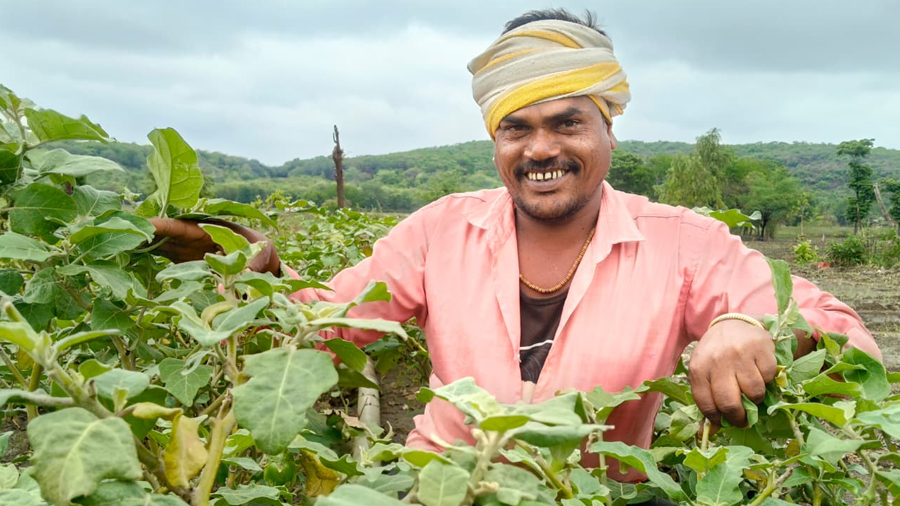
Brijesh Patel’s holding in Barkheda Khuman village measures barely an acre. Two years ago, that acre grew one thing: wheat. Today, the same acre carries three distinct livelihood streams — grain, vegetables and poultry layered onto each other so that the land now earns Patel money almost every month of the year, not just at harvest.
The transformation happened in stages, each one adding a new component to what was once a single-crop plot. The base layer stayed the same: wheat, sown every Rabi season, still yielding around 1,250 kg from the acre. Onto that, Patel added organic vegetable cultivation, using the practices of climate-resilient and low-input farming, which alone brought him close to ₹30,000 in a single season. Alongside the crops, he introduced a third component , i.e., backyard poultry, starting with just six pairs of indigenous poultry housed on a corner of the same land. That flock has since grown to forty-three birds, now a steady source of supplementary income in its own right.
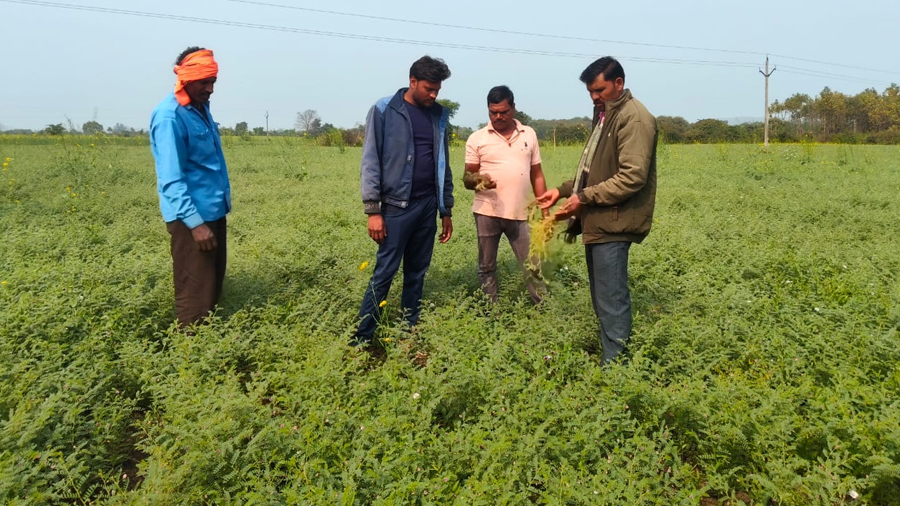
What used to be a plot dependent on one season’s wheat price is now a working model of an Integrated Farming System (IFS). Three components on one acre, each insulating the others against a bad season, a bad market, or a bad monsoon. None of the three streams alone would have protected his household from a shock. Stacked together on the same small holding, they have.
The turnaround traces back to two simple institutions, a Farmer Field School and a Small Holder Farmer Club, both set up in his village under the SAFBIN project run by Caritas India. Before these platforms existed, Patel’s story was a familiar one across small-farm India. A household entirely reliant on crop income, largely unaware of the government schemes meant to support it, and daunted by the paperwork required to access them.
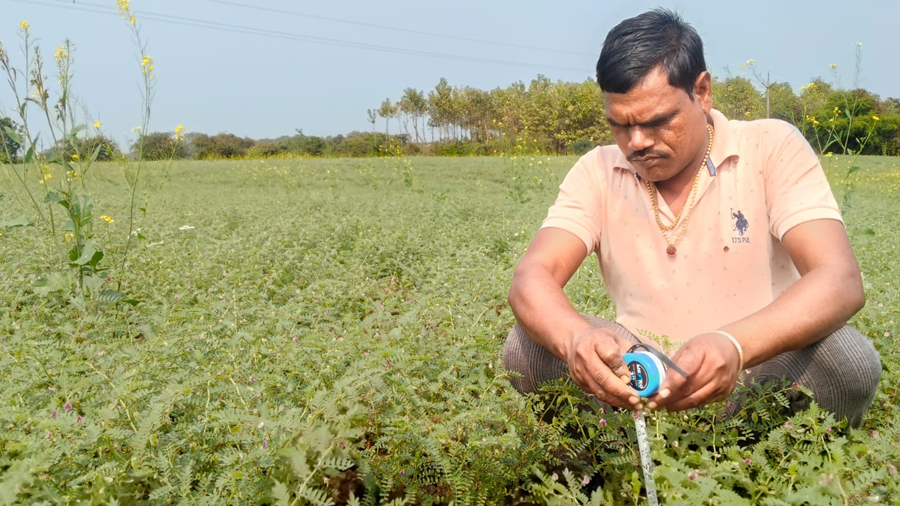
Through the Field School and the Club, he learned the elements of Integrated Nutrient and Pest Management, climate-resilient cultivation, and the architecture of Integrated Farming Systems itself. Just as importantly, SAFBIN staff walked him through the eligibility rules and documentation for the State Backyard Poultry Scheme, and helped to link him with the Animal Husbandry Department. That coordination secured him six pairs of indigenous poultry, the seed stock for what has since grown nearly fourfold under his own care.
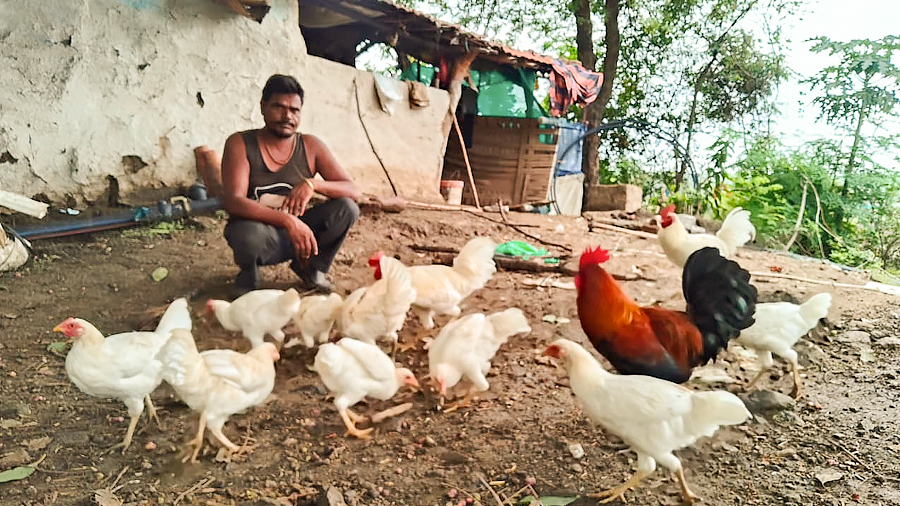
“Through SAFBIN’s support, I accessed the State Backyard Poultry Scheme and expanded my poultry unit from 12 birds to 43 birds,” Patel says. “Along with poultry rearing, I produced about 1,250 kg of wheat from one acre during the Rabi season and earned nearly ₹30,000 from organic vegetable cultivation in a single season. These activities have increased my family income, improved nutrition, and strengthened the sustainability of my farming system.”
Beyond the numbers, project staff say the shift has changed how Patel relates to risk. A family once exposed to a single season’s fortunes now draws on three. His experience is already being cited within the SHFC to encourage neighbouring farmers to explore the same government schemes and the same integrated approach, SAFBIN organisers say, that convergence between government programmes and grassroots capacity-building can move a household from vulnerability toward genuine climate and livelihood resilience.
Upcoming News
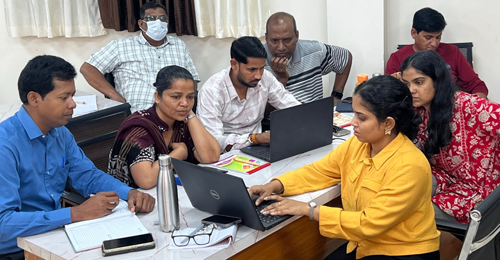
Caritas India Trains Partner Organisations in Evidence Based Project Proposal Writing
Some of the strongest community projects never get built, not for lack of need or...
LEARN MORE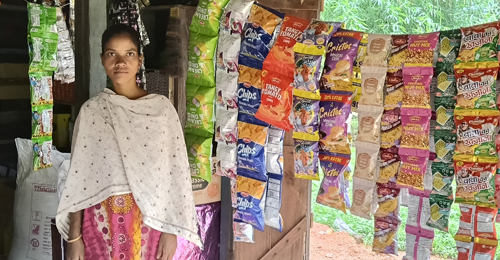
A Grocery Shop, a Mother’s Resolve, and Three Daughters Who Stayed in School
Three young girls in this remote village are attending school regularly today because their mother...
LEARN MORE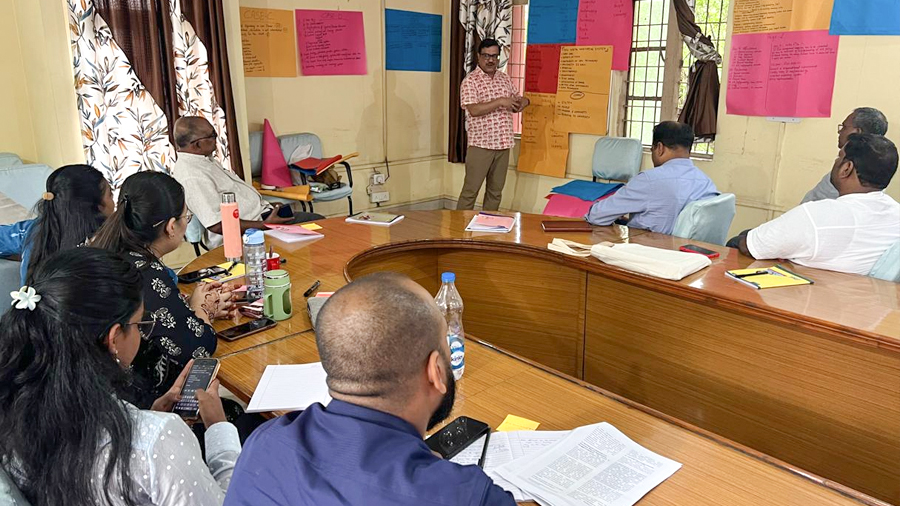
When NGOs Grow, What Breaks First? Caritas India Tackles the Answer in Raipur
Three-day workshop arms executive leaders with governance tools, a 20-policy framework and practical fixes for...
LEARN MORE 91 -11 - 23362735
  director@caritasindia.org


