
 91 -11 - 2336 3390
  director@caritasindia.org
 Sonaram Bodra turned a business failure into a thriving family farm
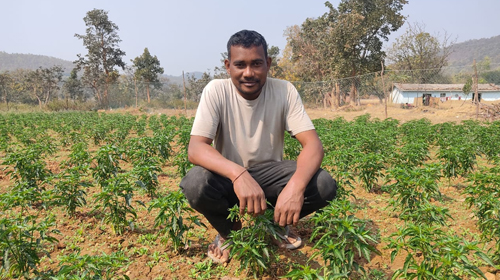
There was a time when Sonaram Bodra looked at his five acres of land in Dango village and saw only uncertainty. Like many young men from local tribal communities, financial constraints forced him to drop out of school early to work the fields. He tried his best, but without advanced technical knowledge, recurring crop failures left his family trapped in a cycle of unpredictable income.
In search of a reliable backup plan, Sonaram invested his modest savings to open a small village grocery shop in 2019. Then, the pandemic struck. The subsequent lockdowns dried up his business, forcing him to shut the doors for good. It was a devastating blow that pushed him right back into financial instability.
Today, however, Sonaram’s land is no longer a source of anxiety, it is a thriving, multi-layered enterprise. By embracing an approach called the Integrated Farming System with support from Caritas India’s Gram Nirman program, funded by Caritas Australia, Sonaram has built a self-sustaining farm that shields his family from both economic shocks and climate risks.
The turning point came in 2021 when Sonaram connected with the Gram Nirman field team. Joining the local Farmers’ Committee, he attended monthly meetings and traveled to nearby training sites to observe integrated farm models.
Integrated farming systems is a lifeline for smallholders. Instead of relying entirely on a single crop, which a single bad season can wipe out the system combines crops, vegetables, and livestock on the same plot of land, so they support each other.
For Sonaram, the training changed everything. Armed with high-quality seeds provided by the program, he set up nurseries for tomatoes, brinjals, cabbages, and chillies on one acre of land. In just four months of his first winter season, he earned over Rs. 80,000 from vegetable sales alone, restoring his confidence and proving that his land had untapped potential.
Sonaram systematically redesigned his farm into a circular ecosystem where the waste of one activity becomes the fuel for another—a method climate scientists praise for restoring degraded soils.
He upgraded his traditional rice cultivation by adopting improved line transplantation and organic pest control. The results were immediate: his annual rice harvest jumped from a modest 10 quintals to a reliable 20 quintals.
Simultaneously, Sonaram revolutionized how his family raised livestock. While they had always kept animals, high mortality rates from seasonal illnesses used to ruin their efforts. After attending a specialized livestock care training in 2026, Sonaram mastered proper vaccination schedules, hygienic shed maintenance, and disease control for his poultry and cattle.
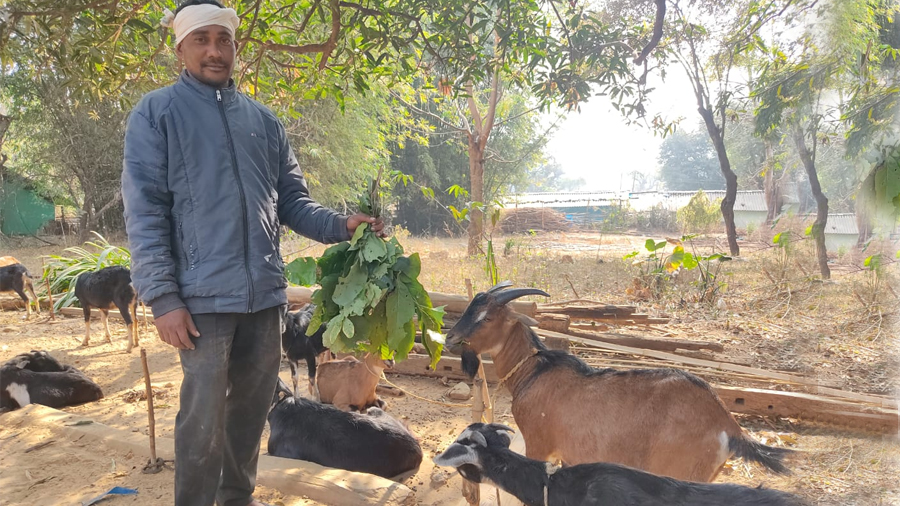
His goat herd has expanded to 16 healthy animals. In 2025, selling just five of them brought in Rs. 65,000. For Sonaram, these animals act like a living savings account, a secure asset that can be quickly converted into cash if a family emergency arises.
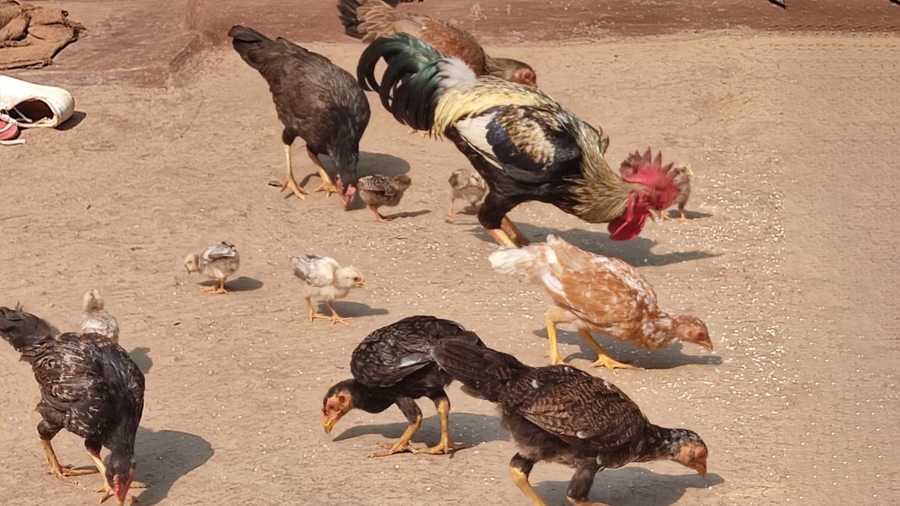
The manure from his goats, cows, and chickens is carefully collected to fertilize his vegetable patches. This organic cycle completely eliminates his need for expensive chemical inputs while steadily improving his soil health, boosting his seasonal vegetable income to Rs. 10,000.
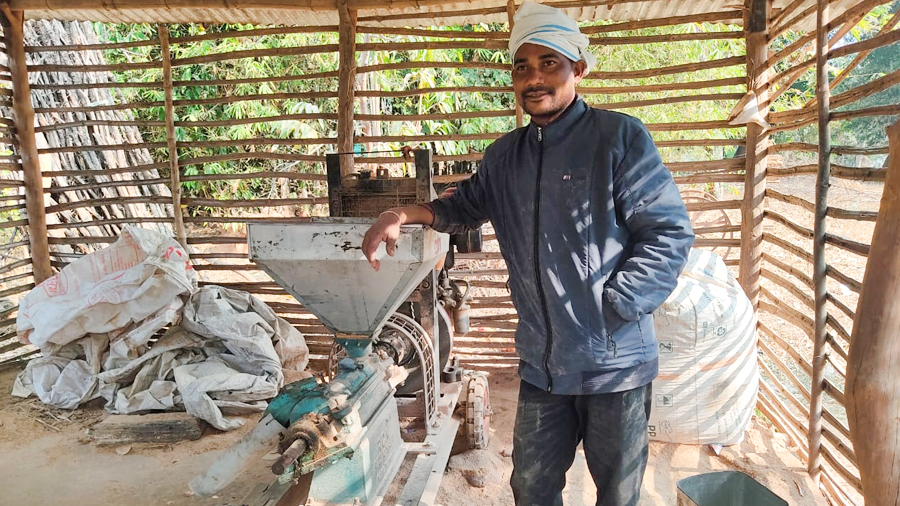
Sonaram’s journey from a struggling farmer to a rural entrepreneur took another step forward recently when he set up a small rice mill inside Dango village. This value-addition initiative allows his neighbors to process their grain locally rather than traveling to distant markets, keeping profits circulating directly within the local village economy.
Sonaram has transformed from an individual trying to weather the storm into a resilient community leader. Today, he volunteers his time to teach advanced livestock management and integrated farming to other tribal families, helping them duplicate his blueprint for stability.
His story shows that with personal determination, access to practical knowledge, and timely grassroots support, marginalized farmers can break free from dependence on unpredictable weather and build a secure, dignified future.
Upcoming News
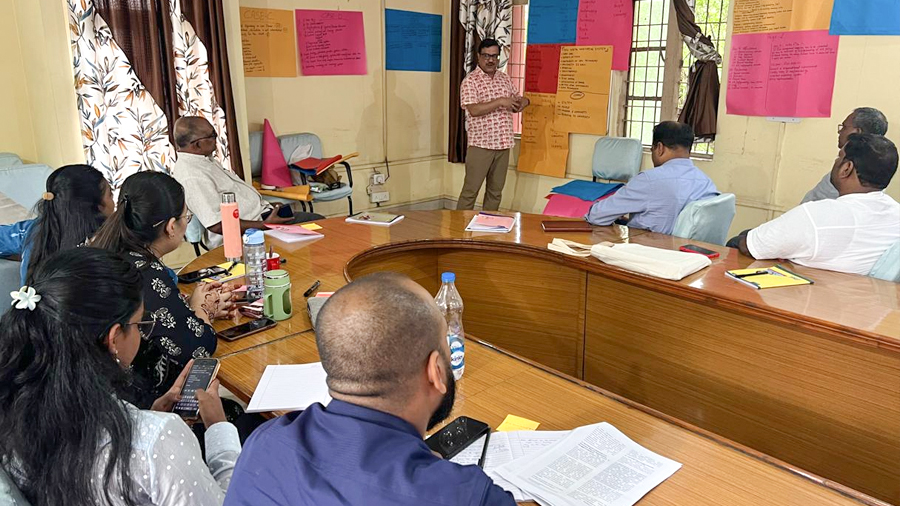
When NGOs Grow, What Breaks First? Caritas India Tackles the Answer in Raipur
Three-day workshop arms executive leaders with governance tools, a 20-policy framework and practical fixes for...
LEARN MORE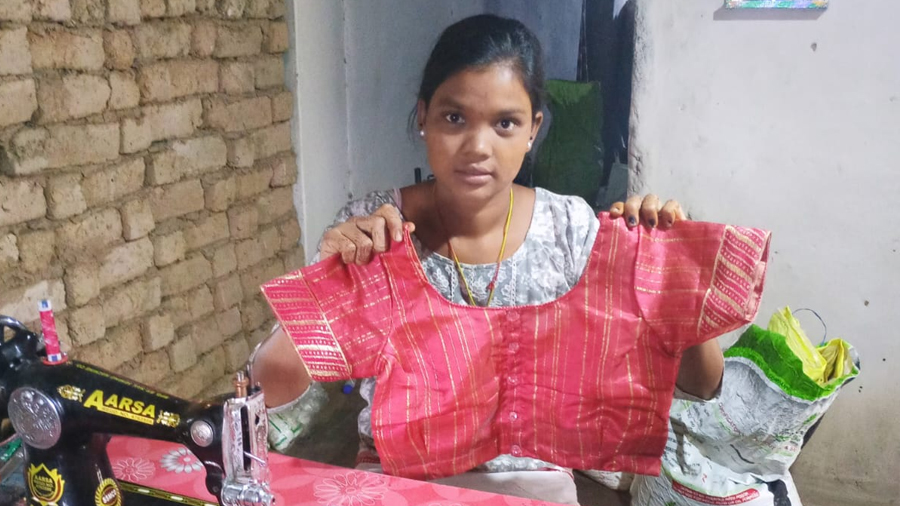
Nine Kilometres Through the Jungle: How Poornima Stitched Her Own Future
For 19 year old Poornima Rawat of Rajamma village in Lailunga block of Chhattisgarh's Raigarh...
LEARN MORE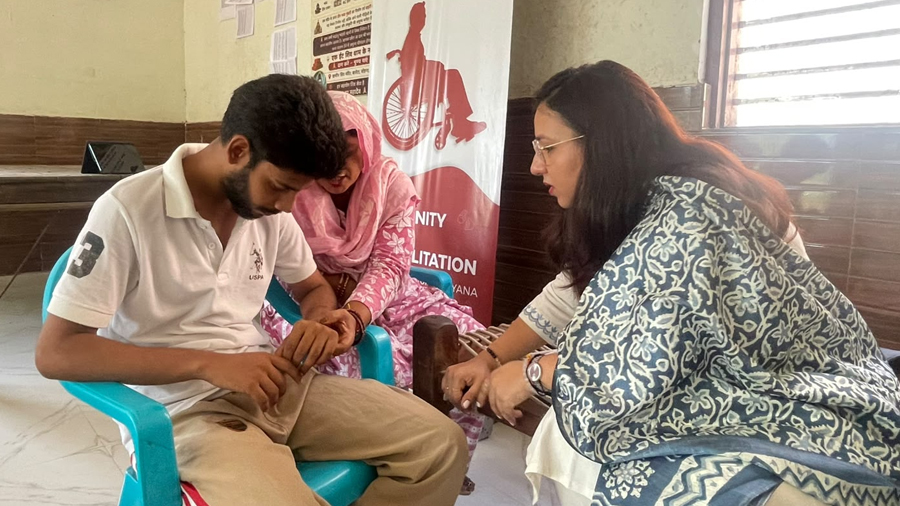
In a Nuh Village, People Living With Mental Illness Finally Got to Speak, and Be Heard
Nine people sat in that room in Barota village, Nuh district, Haryana, each carrying a...
LEARN MORE 91 -11 - 23362735
  director@caritasindia.org


