
 91 -11 - 2336 3390
  director@caritasindia.org
 Caritas India Expands Safeguarding Culture Across Indian Dioceses
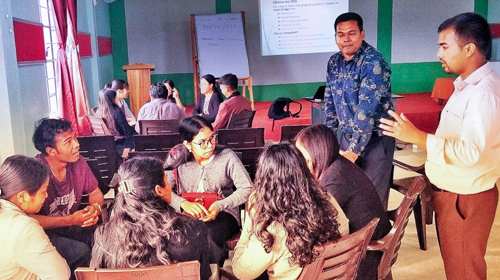
Safeguarding is rapidly emerging as a vital priority for registered non‑profit organizations in India, and the Catholic Church is taking this call seriously. As a small minority community that reaches a much larger, multi‑faith population through its schools, colleges, hospitals and social work centres, the Church recognises a special responsibility to make every space safe. In this context, Caritas India, with the support of Caritas Asia, has invested in training a cadre of safeguarding experts across the four regions of India. These trained leaders are helping dioceses, parish institutions and social work centres understand not only what safeguarding is, but how to build systems that protect the dignity and well‑being of every person they serve.
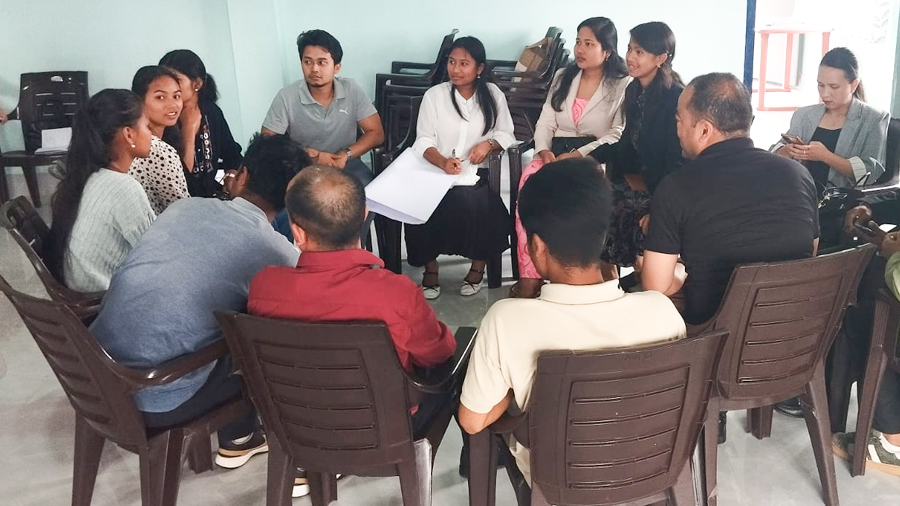
This shift from awareness to culture‑building is clearly visible in the Diocese of Tura and the Diocese of Jowai. In collaboration with the Northeast Diocesan Social Service Society (NEDSSS), these dioceses organised safeguarding capacity‑building programmes for educational institution principals and youth leaders. More than 84 representatives from the Diocese of Tura and 40 youth in the Diocese of Jowai participated in trainings held from 2nd and 6th–7th June. The aim was simple yet powerful: to strengthen understanding of safeguarding and to promote a culture of dignity, respect, accountability and protection in communities, schools, workplaces and families.
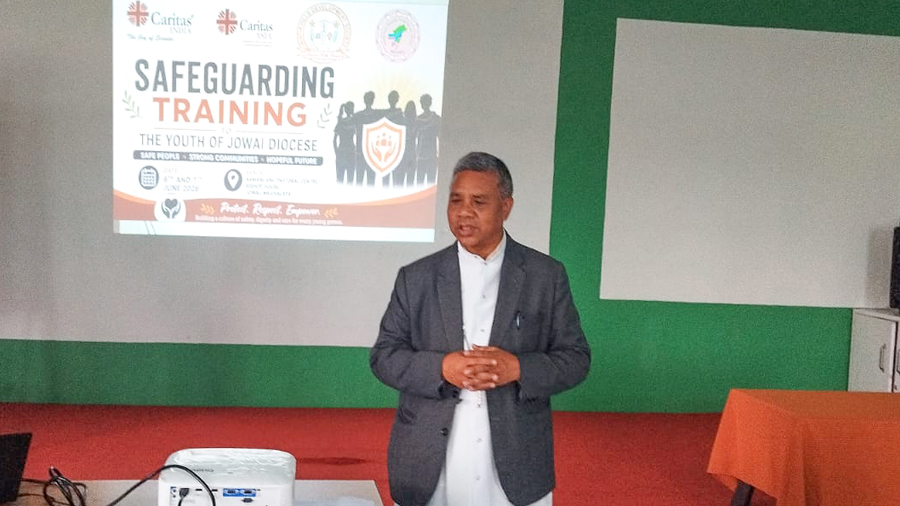
Church leadership has framed safeguarding as both a faith mandate and a legal obligation. Rt. Rev. Jose Chirackal, Bishop of Tura, underscored that safeguarding has become a key priority for the Church. He rooted his message in Indian legal frameworks such as the Protection of Children from Sexual Offences (POCSO) Act, 2012, and the Prevention of Sexual Harassment (POSH) Act, 2013, alongside Vatican directives. These frameworks, he stressed, call upon dioceses, parishes, schools and Church institutions to ensure environments free from harassment, abuse, exploitation and neglect. Most Rev. Ferdinand Dkhar, Bishop of Jowai and Apostolic Administrator of Tura, described safeguarding through three dimensions: protecting, respecting and empowering vulnerable persons, and called for concrete policies across dioceses, schools and parishes.
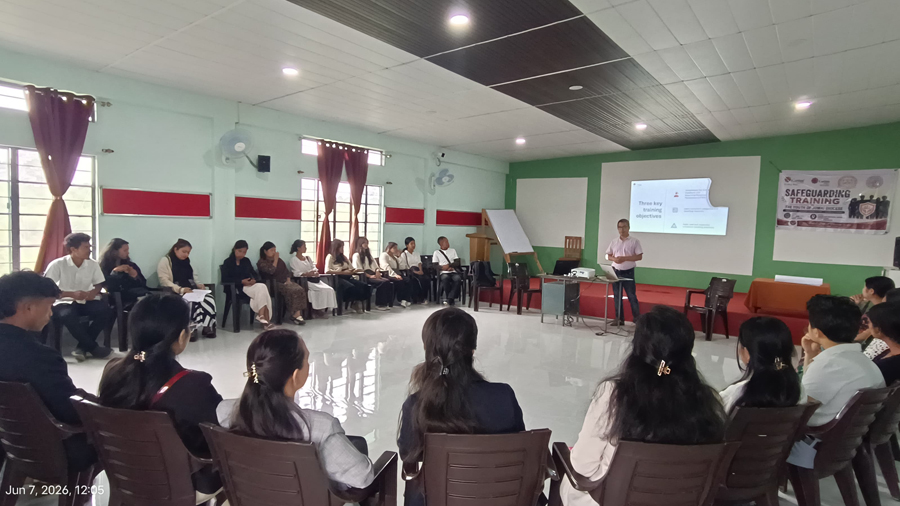
The trainings in Tura and Jowai translated these principles into practice. Mr. Thangsha Sebastian, trained safeguarding expert and Assistant Thematic Lead – HADRR, Caritas India, reminded participants that safeguarding is fundamentally about upholding the dignity, rights and well‑being of every individual. He highlighted that abuse, harassment, exploitation and neglect can occur in any environment and stressed shared responsibility in preventing and responding to such harm. By introducing Complaint, Feedback and Reporting Mechanism (CFRM), he emphasized accessible, complaint categories, reporting channels, and flagged the needs for survivor-centred approach mechanisms for timely and effective complaint management.
Context and culture were given equal importance. Mr. Wellson, Safeguarding Focal Person of the Diocese of Jowai, led sessions on culture and safeguarding, inviting reflection on how cultural norms can support or undermine human dignity and safety. Mr. Peter, Regional Coordinator of the NEDSSS Forum and Safeguarding Focal Person, facilitated discussions on safeguarding concepts, spiritual abuse, protection‑related laws and organisational safeguarding policies. To sustain the momentum, local resource persons like Mr. Balsin Ch. Marak from the Diocese of Tura are being prepared to support BAKDIL and diocesan institutions. The Diocese of Jowai has committed to strengthening its Internal Committee and establishing a dedicated Safeguarding Centre to ensure accessible reporting and response mechanisms.
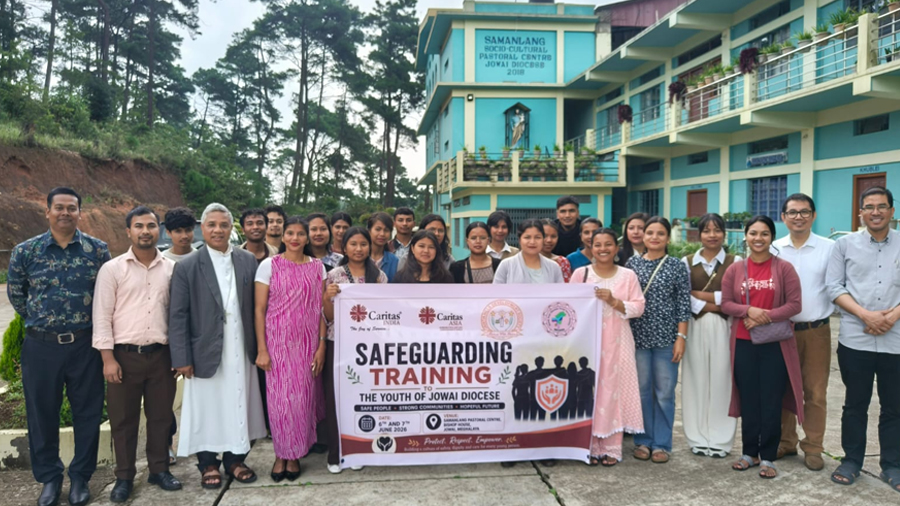
A youth participant’s testimony captured the heart of this journey: earlier, they felt helpless when a friend faced abuse; now, they know they can safely report through the Internal Committee, the safeguarding centre or trusted adults. In that voice, the narrative becomes clear that by building a culture of safeguarding from social work centres to diocesan institutions, Caritas India and the Church are ensuring that their service does not just reach people, it also protects them.
Upcoming News
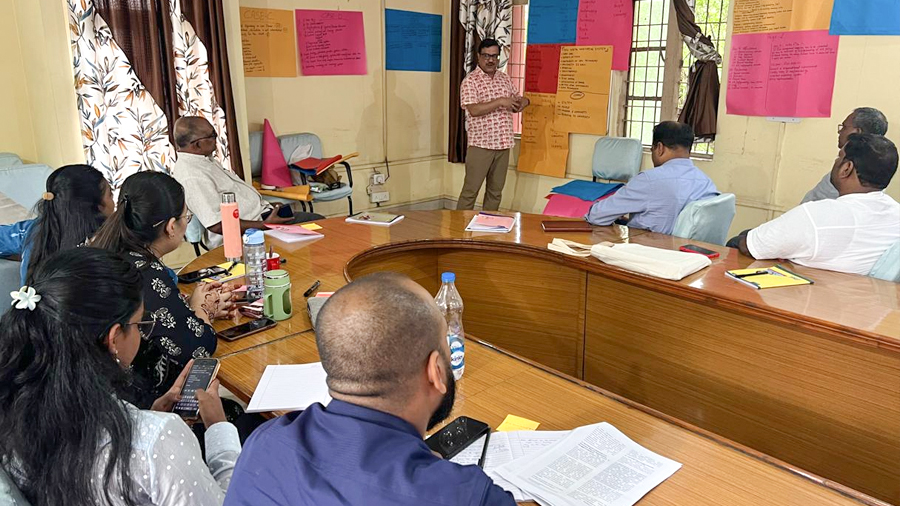
When NGOs Grow, What Breaks First? Caritas India Tackles the Answer in Raipur
Three-day workshop arms executive leaders with governance tools, a 20-policy framework and practical fixes for...
LEARN MORE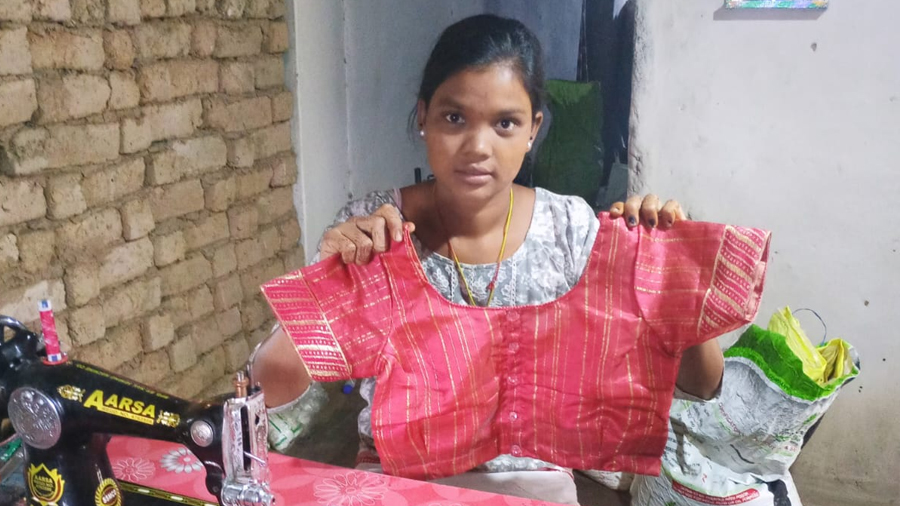
Nine Kilometres Through the Jungle: How Poornima Stitched Her Own Future
For 19 year old Poornima Rawat of Rajamma village in Lailunga block of Chhattisgarh's Raigarh...
LEARN MORE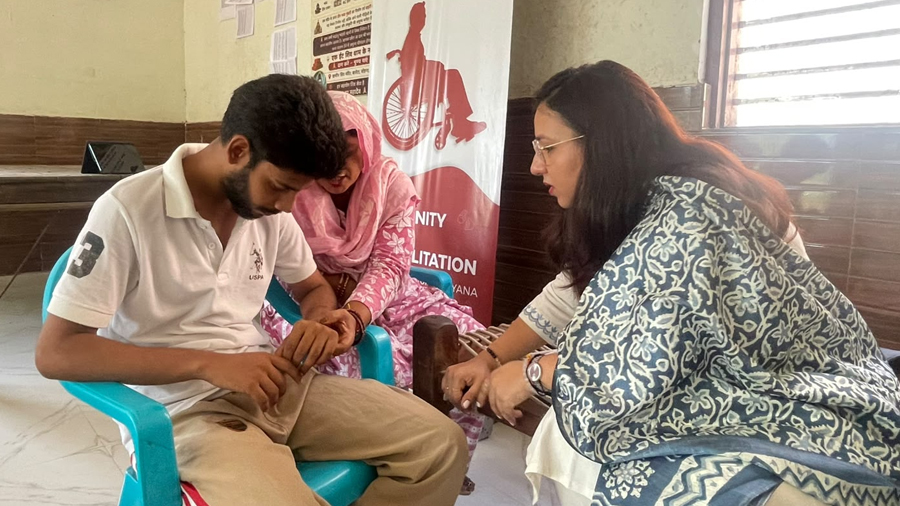
In a Nuh Village, People Living With Mental Illness Finally Got to Speak, and Be Heard
Nine people sat in that room in Barota village, Nuh district, Haryana, each carrying a...
LEARN MORE 91 -11 - 23362735
  director@caritasindia.org


