
 91 -11 - 2336 3390
  director@caritasindia.org
 When NGOs Grow, What Breaks First? Caritas India Tackles the Answer in Raipur
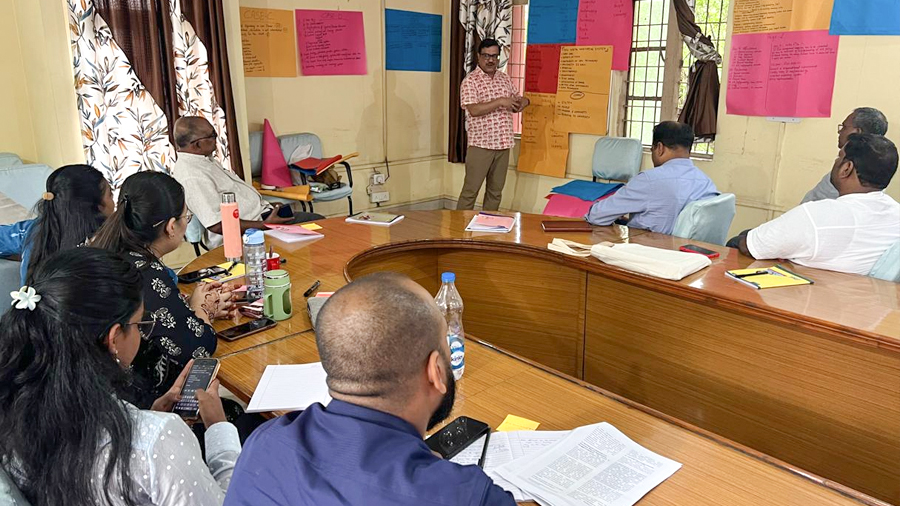
Three-day workshop arms executive leaders with governance tools, a 20-policy framework and practical fixes for the cracks that show up first as NGOs grow, as India’s non-profit sector faces tighter FCRA rules and shrinking foreign funding
Caritas India brought NGO directors and executive leaders from across its partner network to XIAS Raipur from September 2 to 4 for an intensive workshop on Organisational Development Process (ODP), pushing partner organisations to replace ad-hoc firefighting with structured, system-level leadership as India’s development sector faces mounting legal and funding pressure.
The training arrives at a pointed moment for the country’s non-profit sector. NGOs are navigating tighter FCRA compliance norms, shrinking foreign funding and growing donor expectations around transparency, a shift Caritas India has been addressing through a string of recent capacity-building efforts, including a finance management training in Lucknow in July and safeguarding programmes that have certified 31 regional trainers this year. The Raipur workshop extends that push into the broader machinery of running an organisation: governance, policy, finance and people systems.
The central question the workshop opened with was simple and, for many directors, uncomfortable: when an NGO grows, what breaks first? Participants traced their own institutions’ growth pains back to five recurring pressure points, mission drift caused by chasing funding outside an organisation’s core purpose, decision-making bottlenecked around a single founder or director, informal processes buckling under rising transaction volumes, staff burnout from unclear roles, and technical capacity that fails to keep pace with programme scale.
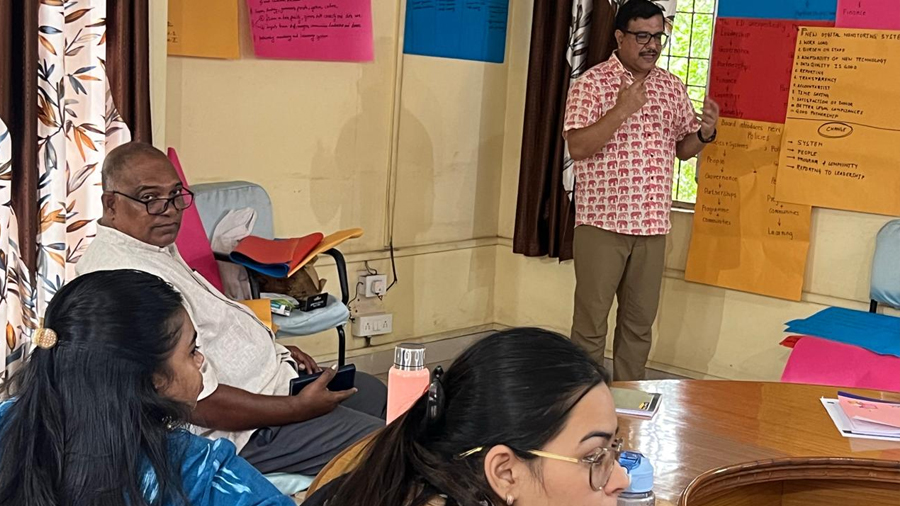
Facilitators framed an NGO as a living system built around four connected quadrants i.e., governance, people and culture, programmes and evidence, and finance and systems where a decision in one area ripples through the rest. Directors worked through real scenarios: a board that reviews reports but never questions risk, a finance policy riddled with exceptions, a single donor’s exit collapsing half an organisation’s programmes, and strong fieldwork that nobody can document or communicate. Each case, facilitators noted, pointed to a systemic gap rather than a one-off failure.
Much of the second day centred on a 20-policy architecture including spanning governance, finance, human resources, programmes and safeguarding plus eight specialist policies triggered by funding source or risk, including FCRA compliance, CSR implementation and AI and remote-work ethics. Organisations were asked to judge their own policies not by whether they exist on paper, but by a four-level maturity scale running from merely “defined” to genuinely “improved” through regular review.
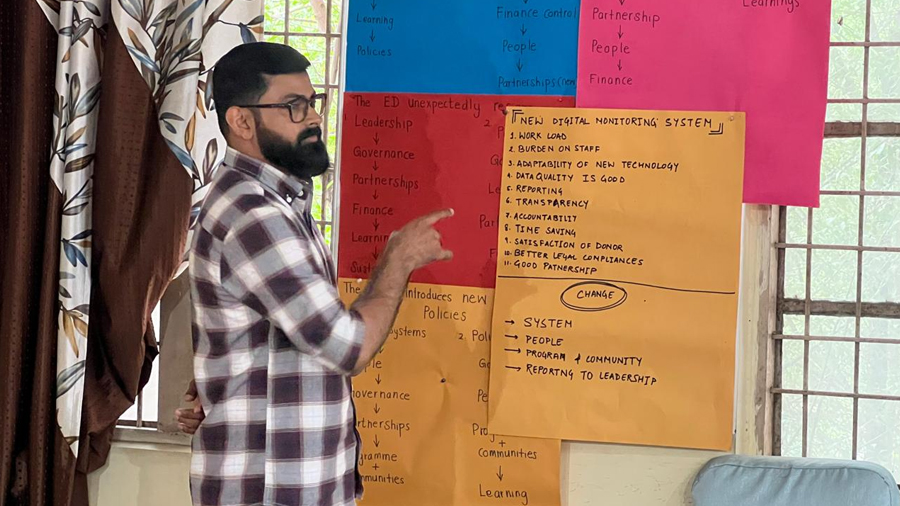
For many participants, the shift in thinking was the point. Several noted that policy paperwork had long felt like a donor-imposed burden rather than protection for the organisation, its board and its field staff and that gaps in newer frameworks, such as data protection, POSH compliance and whistleblower policies, needed urgent attention. Finance and administrative staff pointed to the idea of an annual procurement calendar, replacing emergency purchases, as one of the most immediately usable takeaways, alongside building vetted panels of resource persons instead of hiring consultants informally.
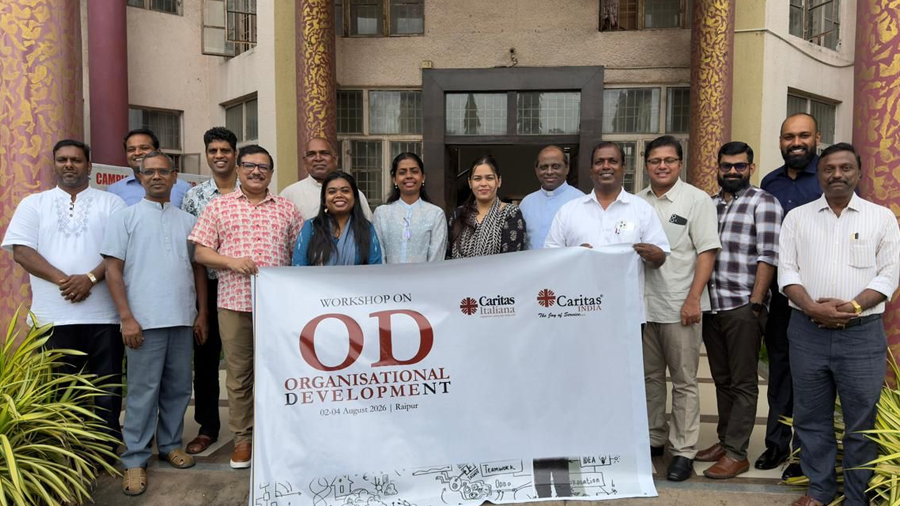
A companion reflections document from the workshop set out seven priorities for partner organisations going forward: strengthening governance boards with outside expertise, building leadership succession plans, tightening HR systems and statutory compliance, expanding digital visibility through websites and LinkedIn, building knowledge-management systems so field learning outlives individual staff, and moving programmes toward evidence-based, community-led models. It also floated a longer-term idea, some organisations exploring a Section 8 company structure for mission-aligned social enterprise work.
Participants also discussed newer financing routes, including carbon credit markets and the Social Stock Exchange, though most agreed their organisations need stronger transparency and monitoring systems before they can tap either. Caritas India said the workshop findings would feed into a standardised guide for partner organisations working to close the gap between good intentions and audit-ready practice.
Upcoming News
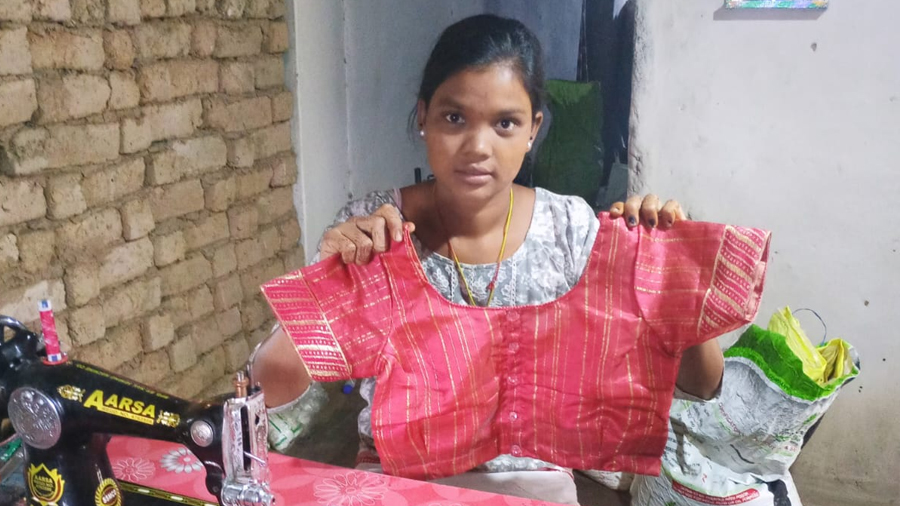
Nine Kilometres Through the Jungle: How Poornima Stitched Her Own Future
For 19 year old Poornima Rawat of Rajamma village in Lailunga block of Chhattisgarh's Raigarh...
LEARN MORE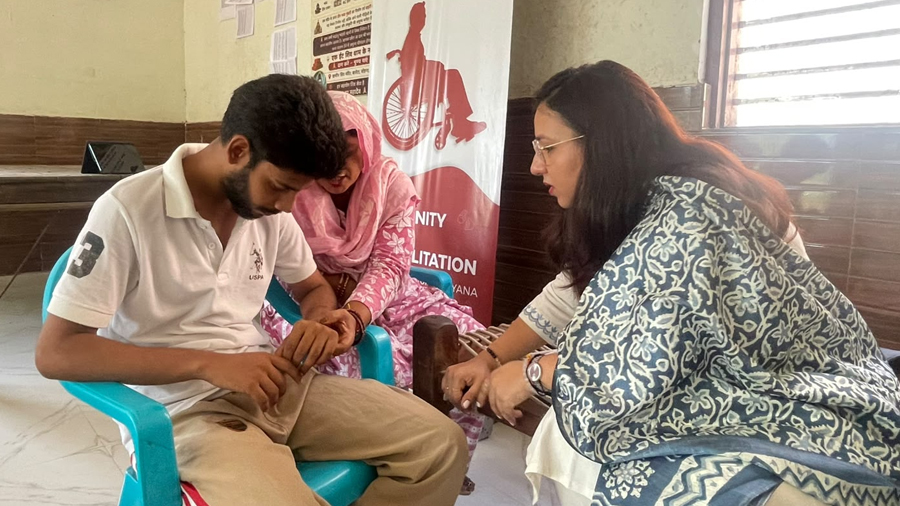
In a Nuh Village, People Living With Mental Illness Finally Got to Speak, and Be Heard
Nine people sat in that room in Barota village, Nuh district, Haryana, each carrying a...
LEARN MORE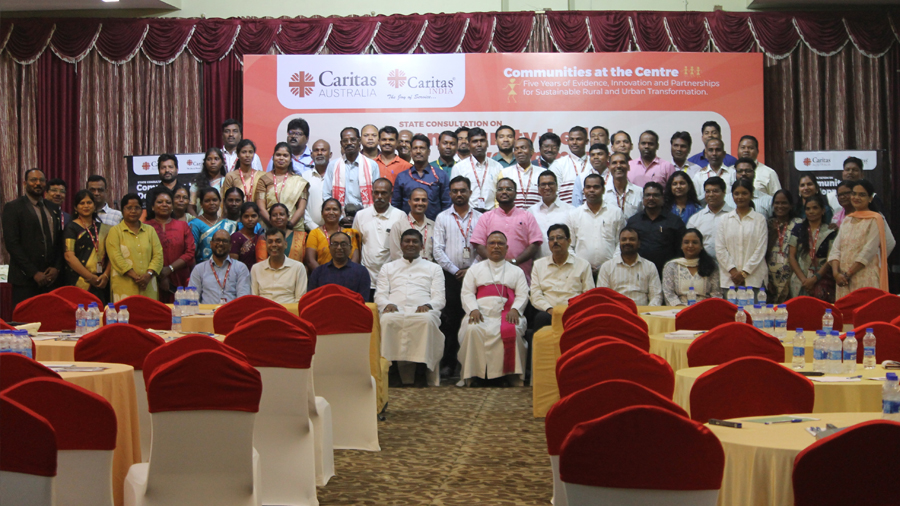
State Level Consultation in Ranchi Charts the Future of Community Led Development
On 2 September 2026 at Ranchi, the usual boundaries between government offices, Church institutions, funding...
LEARN MORE 91 -11 - 23362735
  director@caritasindia.org


