
 91 -11 - 2336 3390
  director@caritasindia.org
 Caritas India Launched Campaign to Combat Malnutrition in all SAFBIN Program Villages
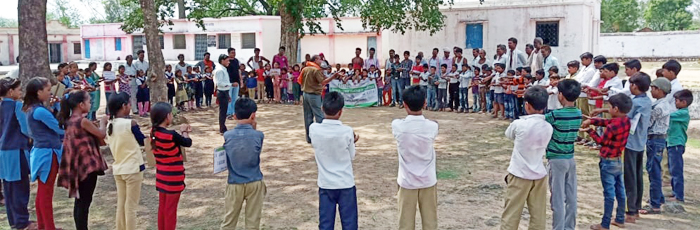
Malnutrition in all its forms either directly or indirectly is responsible for approximately half of all deaths worldwide. This applies to perinatal and infectious diseases as well as chronic diseases. Malnutrition accounts for 11% of the global burden of disease, leading to long-term poor health and disability and poor educational and developmental outcomes. This outcome focuses on the realisation of nutritional improvements not only at household but also at individual levels, with the targeting of vulnerable women and children below 5 years.
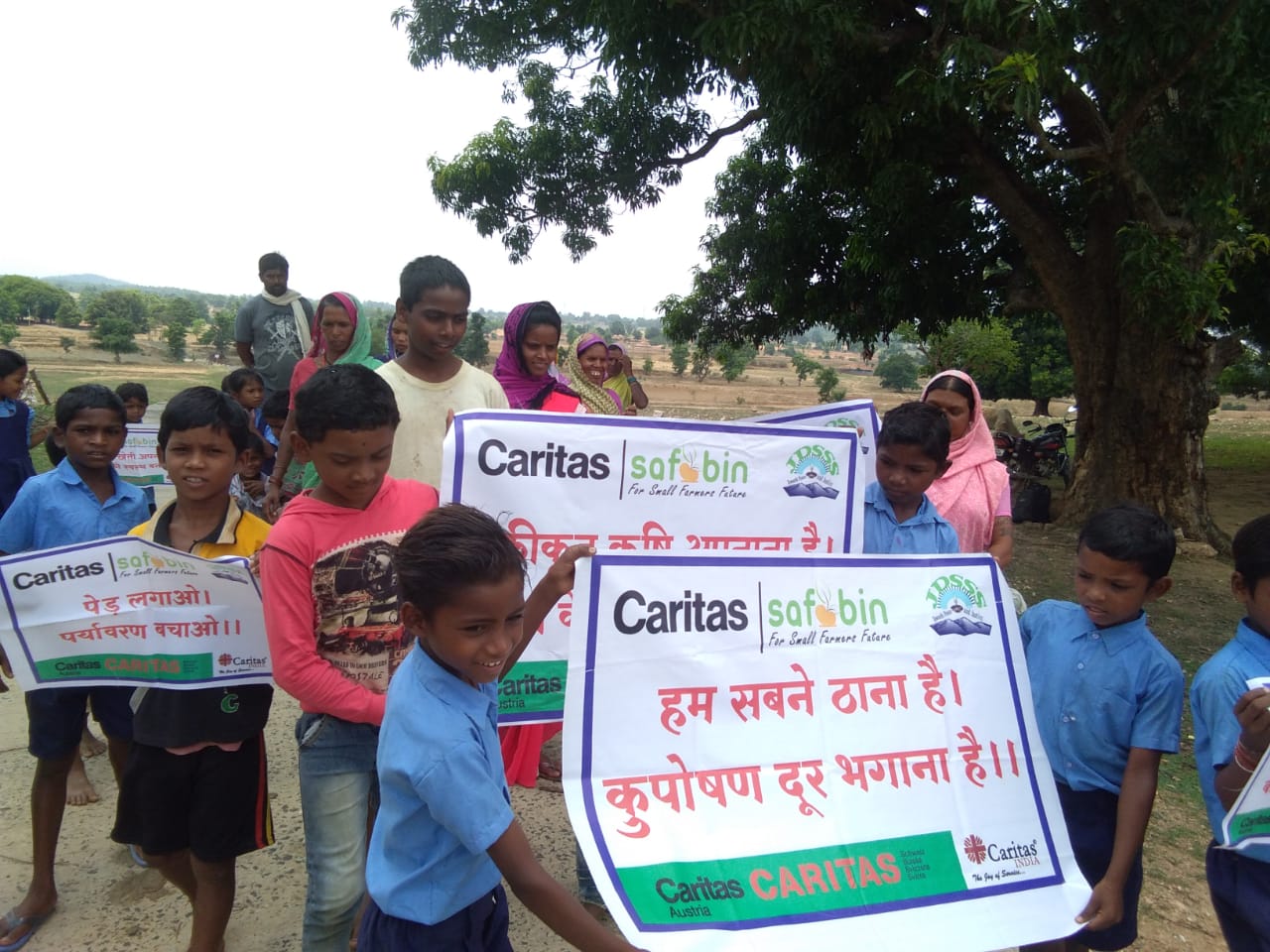
Expressing the concern on nutrient-related deficiency, sanitation and hygiene practices among the target groups, rallies were conducted in all the SAFBIN program villages of Mandla, Sagar & Vidisha districts in coordination with local health departments where, nearly 450 women (including pregnant & lactating women, adolescence girl, women farmers) move forward to participated and learned the vital aspects of nutrition, basic hygiene practices, and know-how to ensure a quality/balanced diet by developing and strengthening relevant support structures for information, monitoring, and referral concerning nutritional/dietary matters.
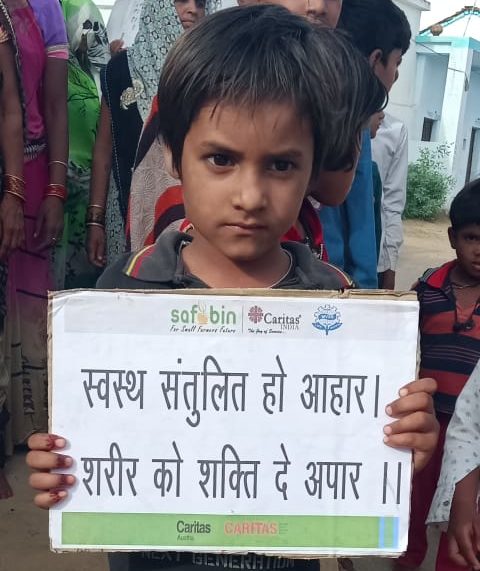
Further to this, SAFBIN ensured village wise program for women to orient on Balanced Diet during Pregnancy, cooking practices, birth spacing, colostrum feeding, exclusive breastfeeding, supplementary diet after six months with beast-feeding, hand washing practice & knowledge on the nutritional value of locally available leafy vegetables.
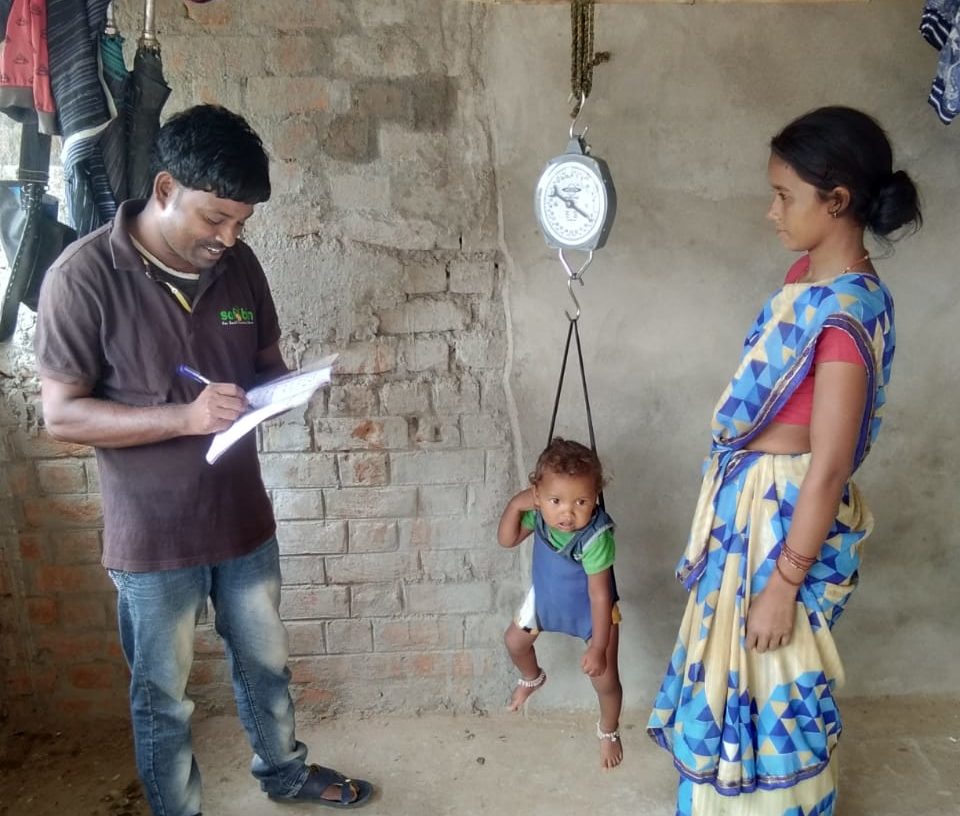
Smallholder Adaptive Farming and Biodiversity Network (SAFBIN) primarily contributes to SDG 2, End hunger, achieve food security and improved nutrition and promote sustainable agriculture in South Asia”. Eliminating food insecurity and ensuring agricultural sustainability will require a holistic approach that promotes sustainable agriculture while ensuring the economic viability of farm operations and sustainability of the resource base. In line with SDG2. 1 (ensuring access to poor and vulnerable with year-round safe, nutritious and sufficient food) SDG 2.2 (addressing stunting and wasting in children under five years of age, and address the nutritional needs of adolescent girls, pregnant and lactating women).
Upcoming News
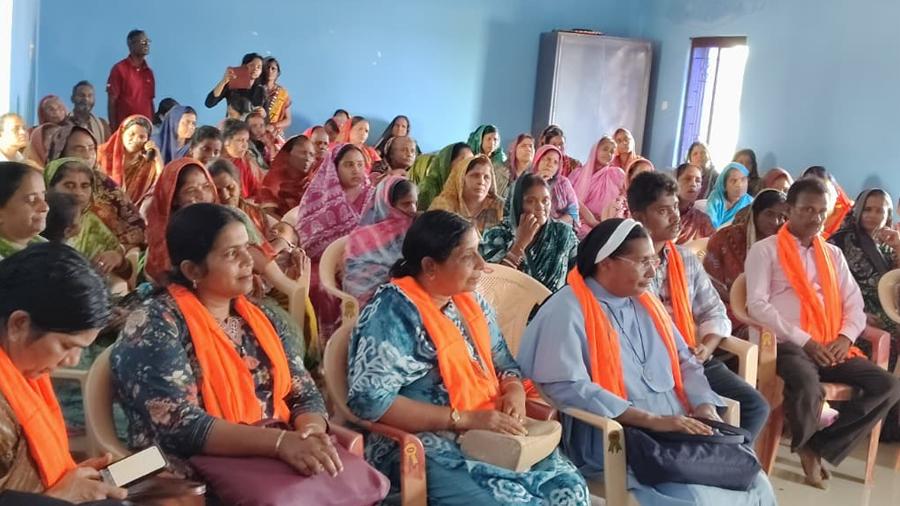
Kerala and Odisha Practitioners Come Together for Workshop on Humanitarian Aid and Disaster Risk Reduction
Disaster risk reduction practitioners from Kerala's Safe Within, Reconnect Wayanad and Vilangad Project travelled to...
LEARN MORE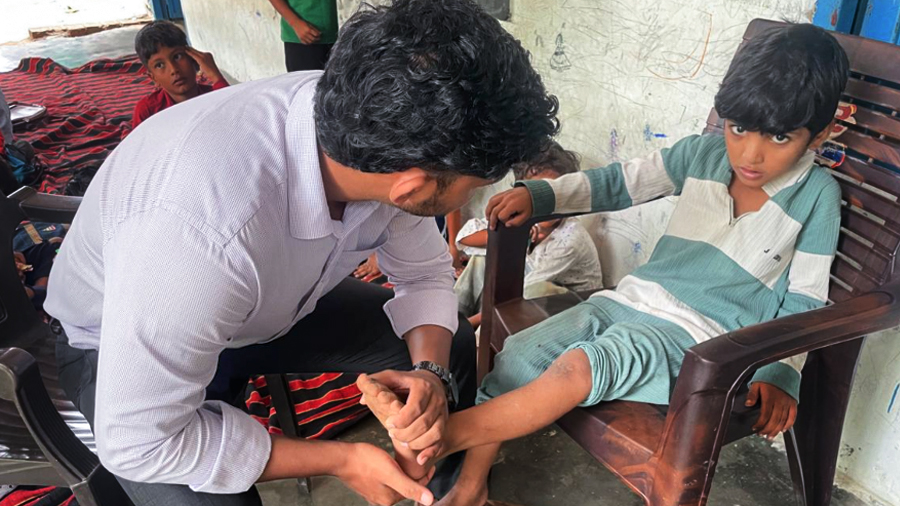
How Faiz Learned to Walk Again with Physiotherapy and Orthotic Support
There is a particular kind of heartbreak in watching your child want to play and...
LEARN MORE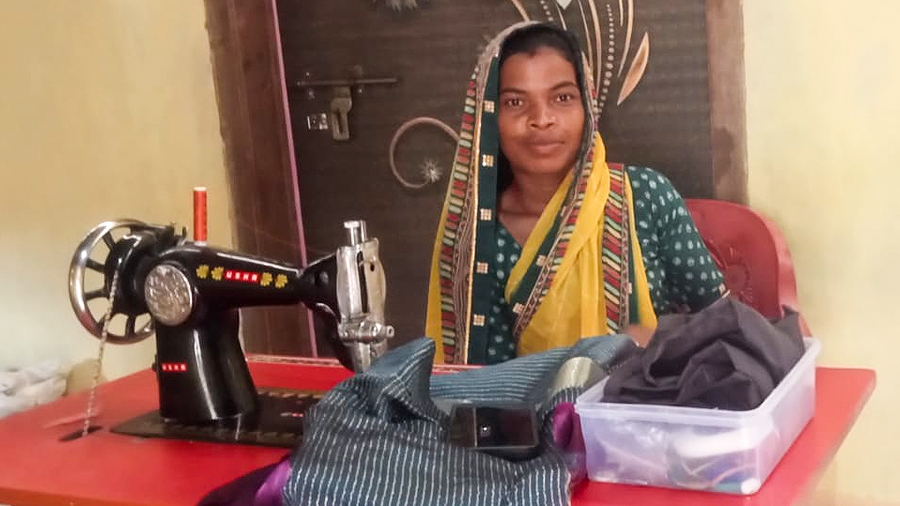
Every Stitch Keeps a Dream Alive
On the day Shiropati paid her children’s school fees from the money she earned through...
LEARN MORE 91 -11 - 2336 3390
  director@caritasindia.org


