
 91 -11 - 2336 3390
  director@caritasindia.org
 Seventy-five Youth joined ‘HEART’ Task Force at Wayanad
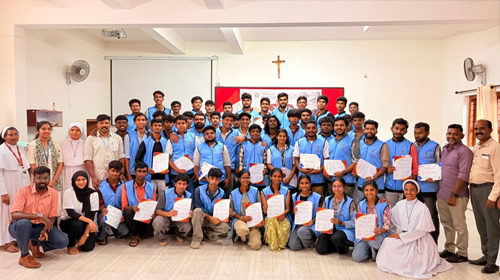
Seventy-five youth leaders from the Mananthavady Diocese in Kerala have officially joined forces to create a diocese-level humanitarian network. Trained under the banner of the HEART (Humanitarian Emergency and Response Team) Task Force, these young volunteers are now equipped to serve as first responders in community-based disaster preparedness, psychosocial support, and post-disaster rehabilitation.
The intensive, one-day youth leadership training was organized by the Wayanad Social Service Society (WSSS) in collaboration with the Kerala Catholic Youth Movement (KCYM). The initiative is a cornerstone of the “Safe Within: Reconnect Wayanad & Vilangad Project,” actively supported and funded by Caritas India.
While HEART Task Force teams are already actively operating across nine panchayats in two districts, this new initiative explicitly aims to build a synchronized, diocese-wide emergency network.
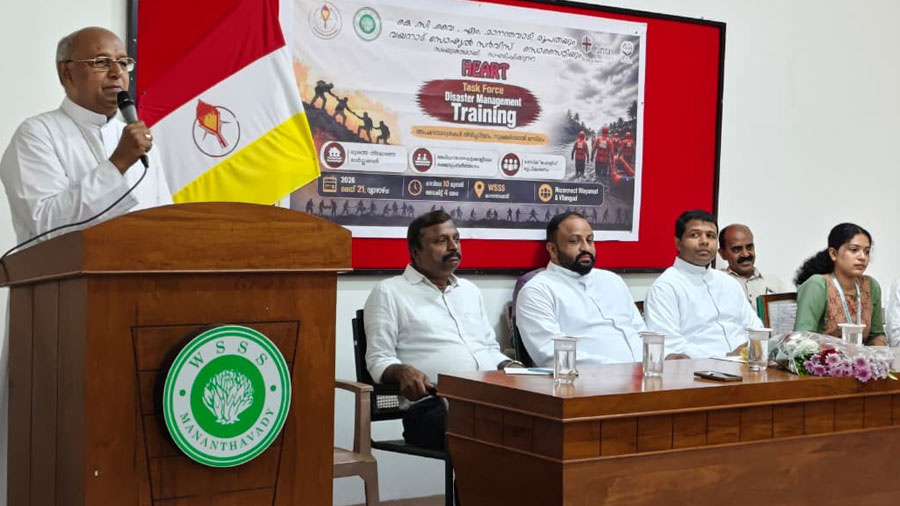
The training was inaugurated by Mar Alex Tharamangalam, Auxiliary Bishop of the Mananthavady Diocese, who reminded the young volunteers of the deeply spiritual and human core of emergency response.
“True service begins when we are able to see the face of God in those affected by suffering and disasters,” Mar Tharamangalam stated, emphasizing that compassion, dignity, and empathy must anchor every volunteer’s actions.
The inaugural event was presided over by Fr. Santo Ambalathara, Director KCYM Mananthavady with Fr. Jinoj Palathadathil, Executive Director, WSSS welcoming the gathering and praising the youth for choosing a path of active citizenship and humanitarian service.
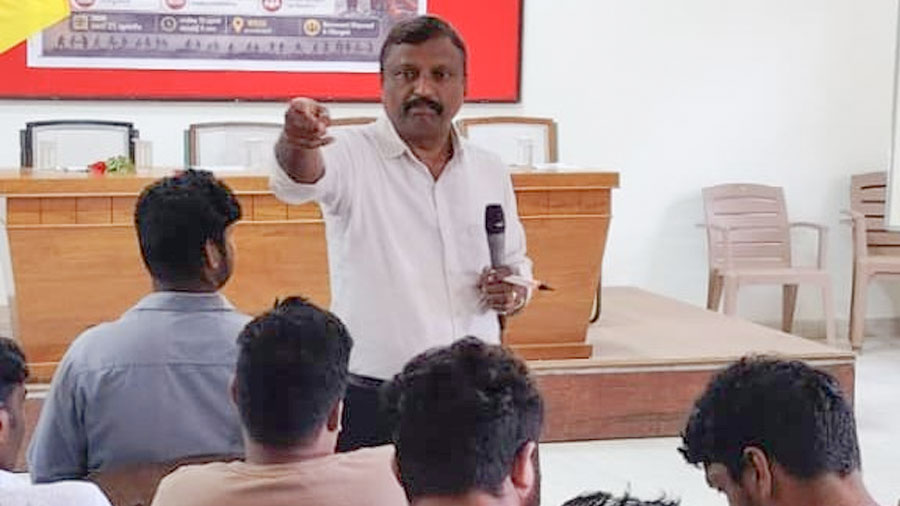
To ensure the youth are prepared for modern crises, the training bypassed generic lectures in favor of actionable, technical skill-building across three distinct dimensions. Dr. V.R. Haridas, the thematic Lead of Climate Justice at Caritas India led a session on Youth Engagement in Climate Change Mitigation and Community Preparedness to connect global climate patterns with local disaster risks. The session focused on changing climate patterns, increasing disaster risks and the role of youth in strengthening community preparedness.
Participants were introduced to practical tools such as the Windy App and local weather alert platforms to improve early warning awareness and disaster preparedness. The session also highlighted the importance of sustainable lifestyle practices such as reducing plastic use, avoiding harmful waste burning, conserving water resources, promoting mindful consumption encouraging renewable energy solutions etc. Participants gained a better understanding of how environmental degradation and human behaviour contribute to increasing disaster risks.
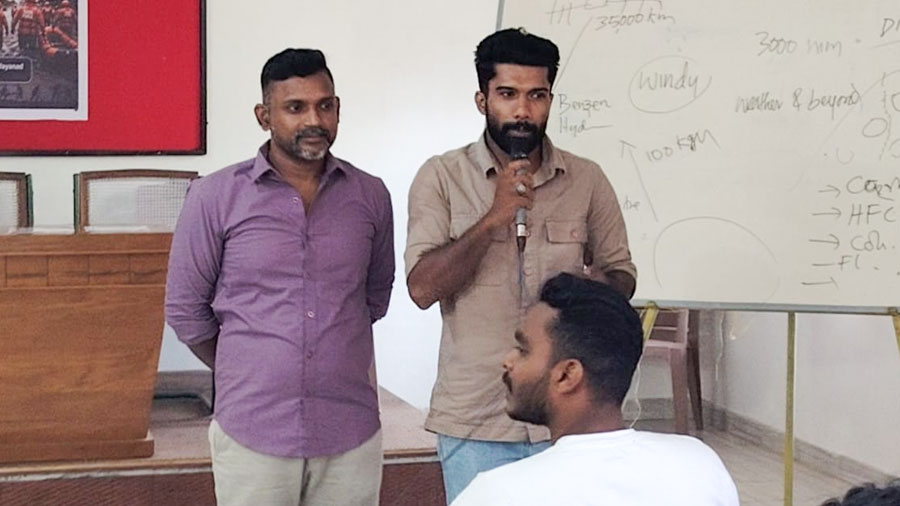
As the day progressed, resource person Mr. Abeesh Antony, Program Associate at Caritas India shifted the focus from the landscape to the mindset of the volunteer, introducing the “Triple S Approach” (Self, System, and Society). This framework helped the participants understand how their personal discipline must seamlessly connect with institutional response networks to effectively serve the community.
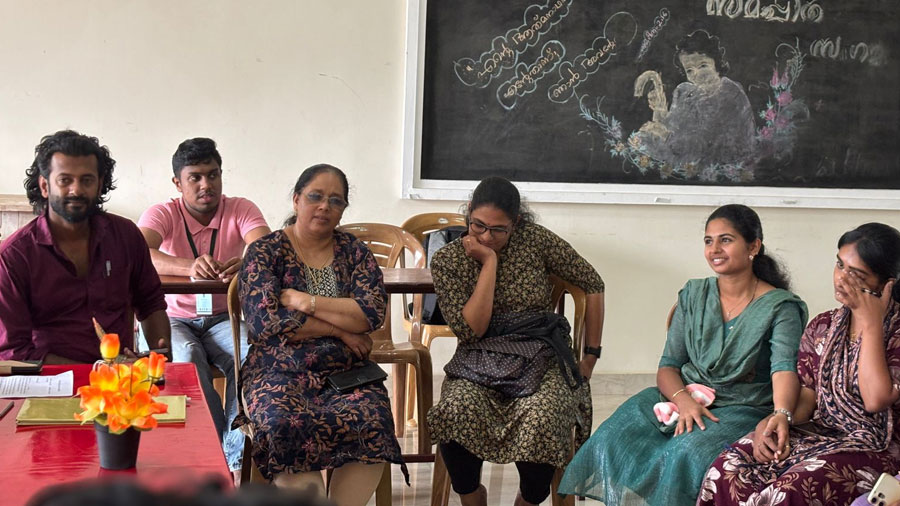
A unique highlight of Antony’s session was his focus on responsible digital citizenship. Recognizing that these young leaders live in a digital ecosystem, he addressed the subtle traps of “digital validation,” the dangerous urge to chase social media clout during a live crisis, which often triggers mass panic.
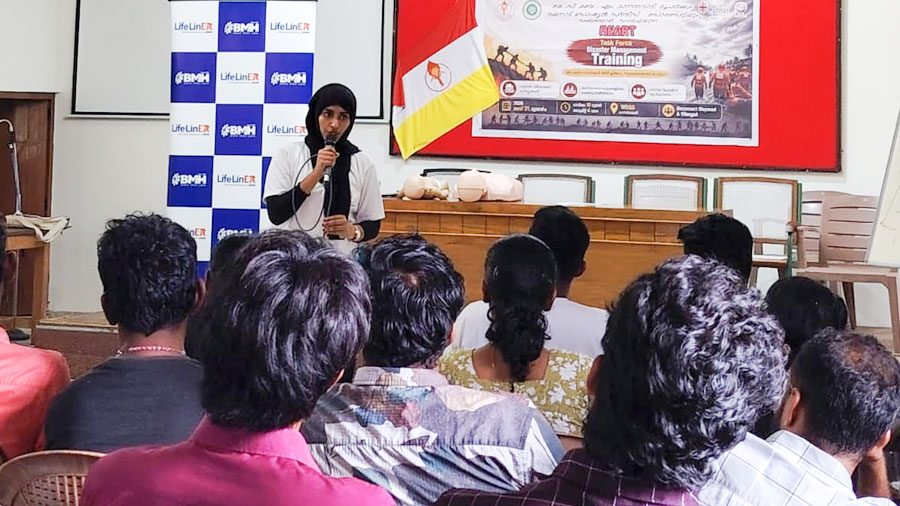
The afternoon session brought an intense shift in energy as Dr. Hima from Baby Memorial Hospital took the floor for a practical, high-stakes workshop on Basic Life Support and First Aid. The text-heavy presentations disappeared, replaced by medical manikins and real-time clinical simulations.
Dr. Hima walked the volunteers through the precise, terrifying minutes of sudden medical crises, including acute strokes and heart attacks. Rather than just watching, all 75 youth leaders stepped up to perform the procedures themselves. They practiced the exact depth and rhythmic timing required for effective Cardiopulmonary Resuscitation (CPR), learning how to keep a heart beating when every single second counts.
By physically practicing these emergency medical protocols under expert supervision, the youth moved past the initial fear of doing the wrong thing. They walked out of the session no longer as passive bystanders, but as confident, capable first responders ready to stabilize a patient until professional medical help arrives.
The program concluded not with a closing speech, but with immediate, practical planning. Before receiving their well-earned certificates of participation, the youth leaders split into regional parish groups. Utilizing the day’s training, they drafted localized, preliminary disaster response action plans custom-tailored to the specific terrain and vulnerabilities of their hometowns.
By transitioning these 75 youth leaders into structured, highly coordinated community sub-teams, Caritas India and WSSS have successfully laid down a faster, more resilient grassroots safety net for Wayanad and Vilangad proving that when disaster strikes, the community will be ready from within.
Upcoming News
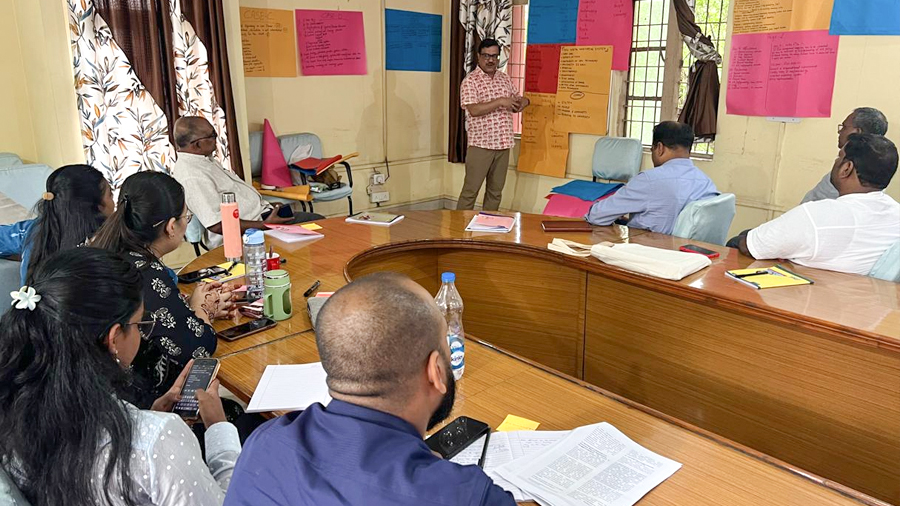
When NGOs Grow, What Breaks First? Caritas India Tackles the Answer in Raipur
Three-day workshop arms executive leaders with governance tools, a 20-policy framework and practical fixes for...
LEARN MORE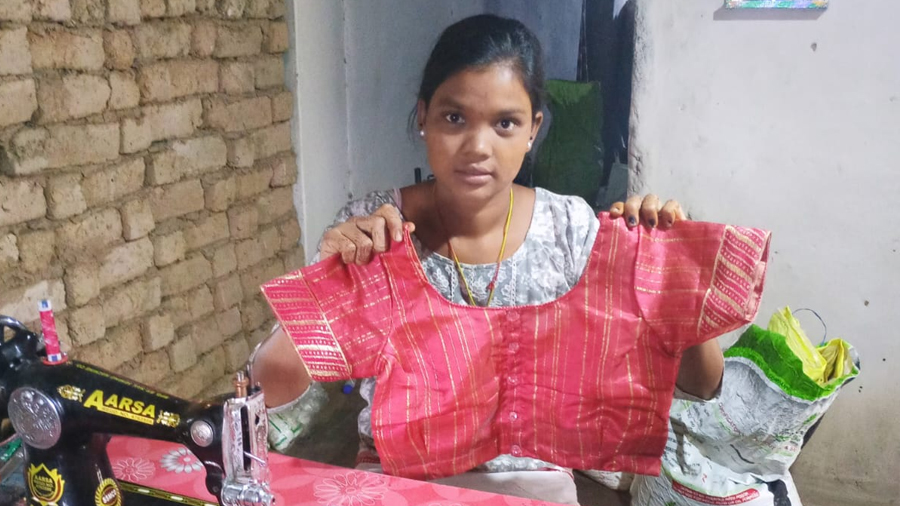
Nine Kilometres Through the Jungle: How Poornima Stitched Her Own Future
For 19 year old Poornima Rawat of Rajamma village in Lailunga block of Chhattisgarh's Raigarh...
LEARN MORE
In a Nuh Village, People Living With Mental Illness Finally Got to Speak, and Be Heard
Nine people sat in that room in Barota village, Nuh district, Haryana, each carrying a...
LEARN MORE 91 -11 - 23362735
  director@caritasindia.org


