
 91 -11 - 2336 3390
  director@caritasindia.org
 Count Me In
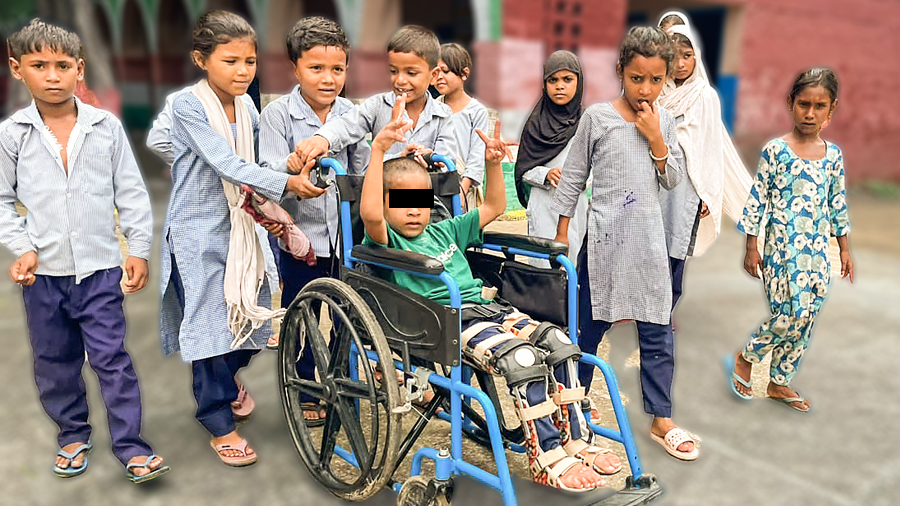
In Mahrola, a village in Nuh, Haryana, eight-year-old Sufiyan wanted nothing more than what every child around him already had. A seat in the classroom, a place among friends, a chance to be counted in. Living with cerebral palsy, and the youngest of five siblings in a family that depended on his father’s daily wages as a driver, Sufiyan spent years watching that ordinary wish stay just out of reach. It wasn’t that he didn’t want to learn. It was that no one had yet built him a way in.
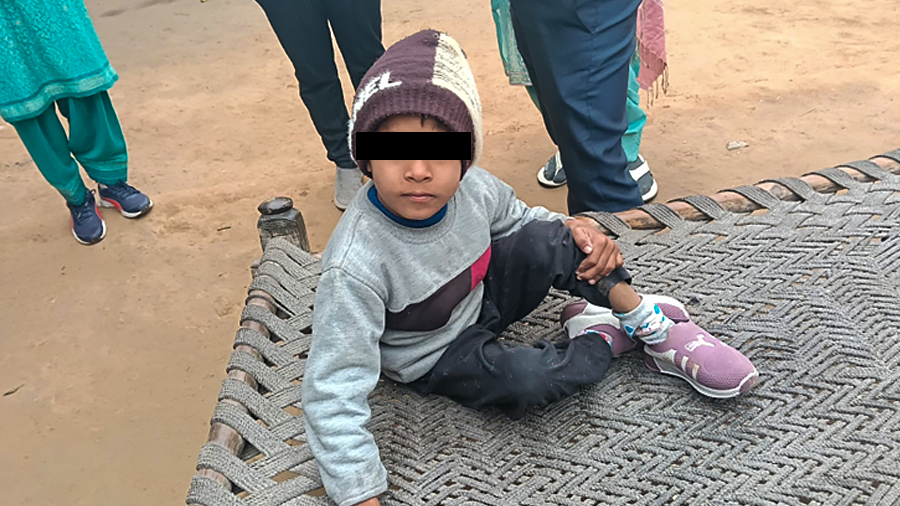
For a long time, the world simply moved without him. Other children walked to school each morning; Sufiyan’s limited mobility meant he often couldn’t. Missing school didn’t just cost him lessons, it cost him the everyday belonging that comes from sitting in a room full of classmates, raising a hand, being present.
That began to change when Caritas India, working with its CSR partner Highway Roop Precision Technologies Ltd, stepped in. The first thing they helped him to secure his Unique Disability ID (UDID) card from Government. For the first time, formally counted within the government welfare systems he had always been entitled to but had never been able to access.
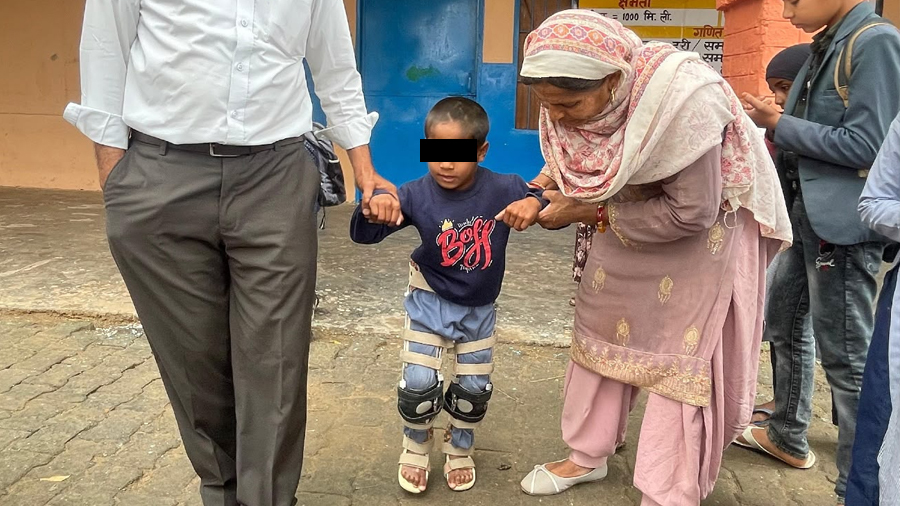
With that foundation in place, Highway Roop Precision Technologies Ltd supported him with a Bilateral Hip Knee Ankle Orthosis, which gave him standing balance he hadn’t had before. It was progress, but not enough. The distance to school was still a barrier no brace could fully solve. So the team went further, facilitating a wheelchair for him through a government scheme. What had existed only as a promise on paper finally became something Sufiyan could sit in, wheel forward in, and use to arrive at school like everyone else.
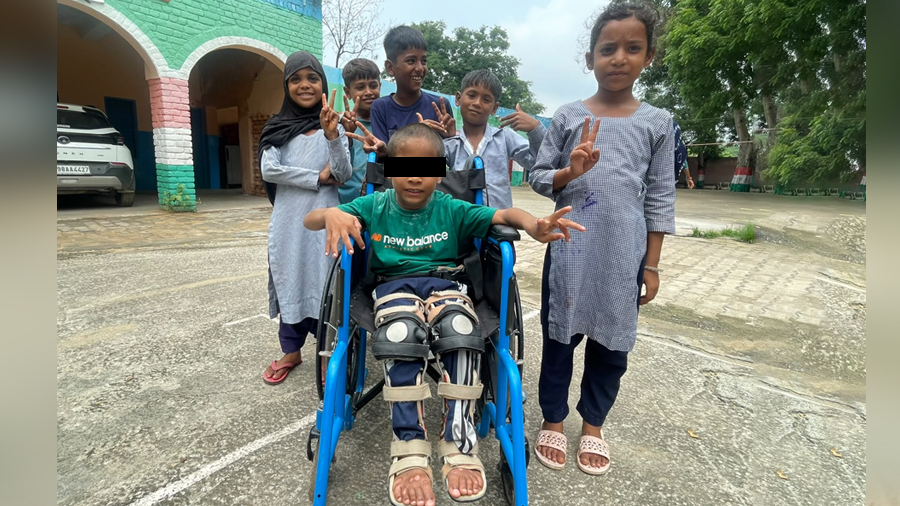
Today, he does. He attends classes regularly, joins in with his classmates, and learns alongside the same friends who once walked past his door without him. Nothing about his condition changed. What changed was whether the systems built to support him actually reached him — and once they did, they let him say, in his own quiet way: count me in.
Sufiyan’s journey is part of a wider effort taking shape across Nuh, a district recognised by NITI Aayog as among India’s most under-developed. Caritas India and Highway Roop Precision Technologies Ltd are working to mainstream disability into the ordinary fabric of village life — not as a private hardship to be managed alone, but as a matter of rights the government had already promised, simply waiting to be facilitated. A UDID card. An orthosis. A wheelchair secured through a government scheme. None of these were extraordinary on their own.
Together, they protected something more than mobility, they protected a child’s innocence, his right to dream without his disability standing in the way, and his simple, unclaimed wish to belong. In Sufiyan’s story, being counted in was never too much to ask. It just needed someone to make sure the door was open.
Upcoming News
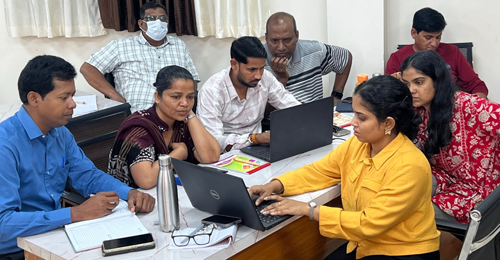
Caritas India Trains Partner Organisations in Evidence Based Project Proposal Writing
Some of the strongest community projects never get built, not for lack of need or...
LEARN MORE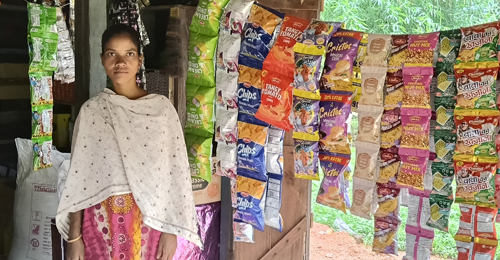
A Grocery Shop, a Mother’s Resolve, and Three Daughters Who Stayed in School
Three young girls in this remote village are attending school regularly today because their mother...
LEARN MORE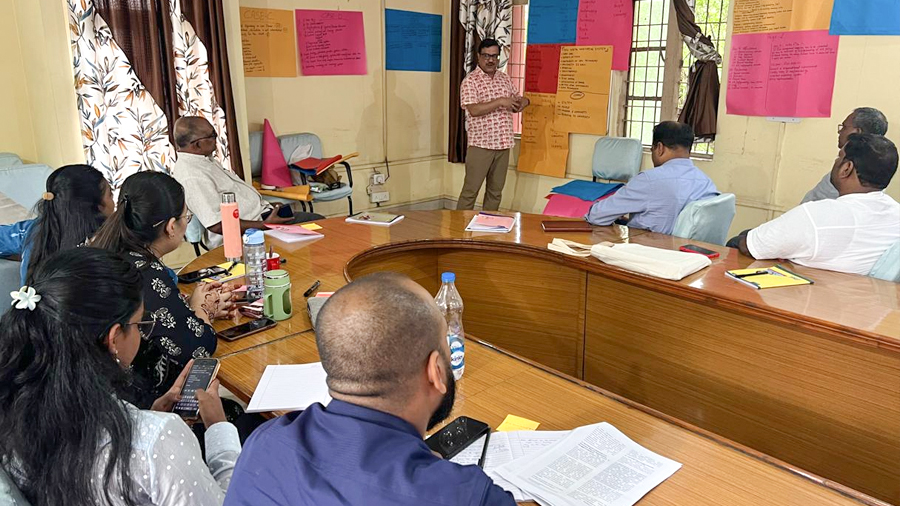
When NGOs Grow, What Breaks First? Caritas India Tackles the Answer in Raipur
Three-day workshop arms executive leaders with governance tools, a 20-policy framework and practical fixes for...
LEARN MORE 91 -11 - 23362735
  director@caritasindia.org


