
 91 -11 - 2336 3390
  director@caritasindia.org
 Gujarat’s Rural Women Rewrite the Rules of Local Governance, Evaluation Finds
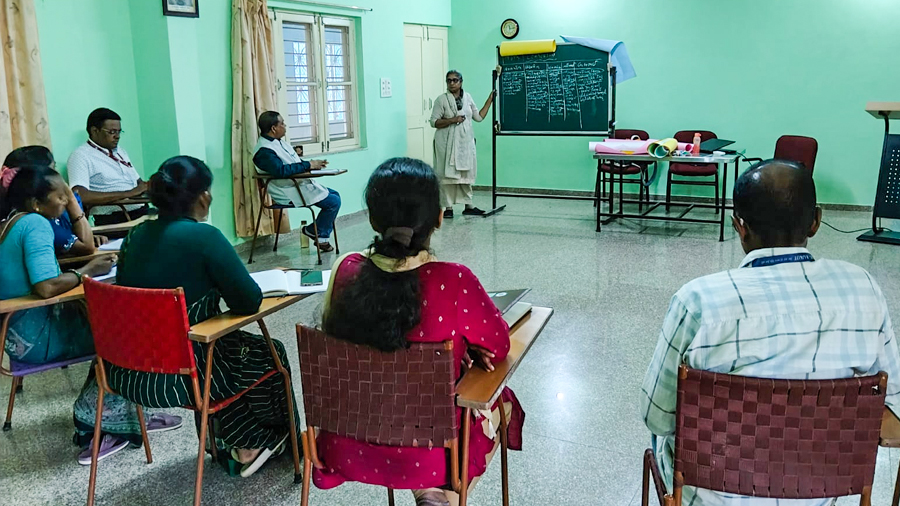
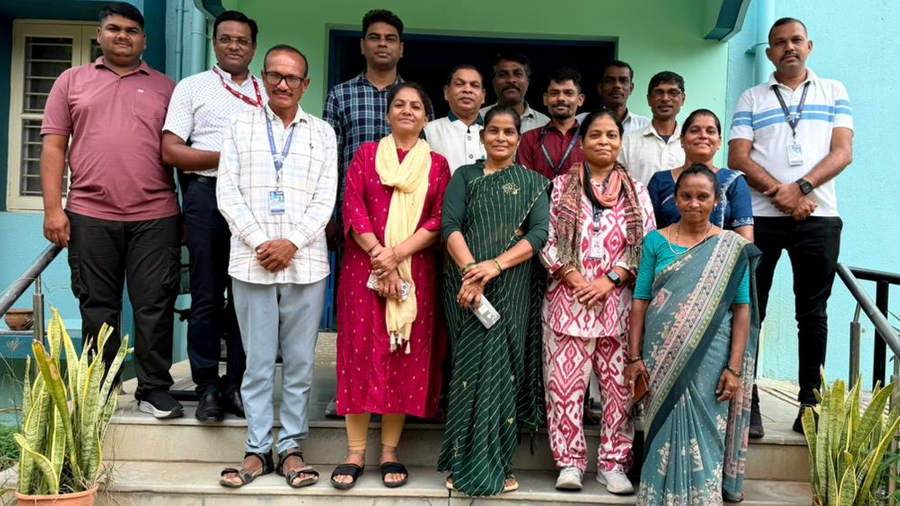
Hundreds of once-voiceless rural women across Gujarat are now sitting at the decision-making table in their own villages, according to findings presented at a two-day Strategic Learning and Consolidation Workshop of the Sanjivani-II Programme, held on 26–27 August at Jeevan Vikas Kendra here.
The workshop, supported by Caritas India and its long-standing German partner Misereor, brought together partner organisations from across four implementation geographies to review the programme’s impact on women-led governance, livelihood security, and rights realisation as the initiative approaches its conclusion.
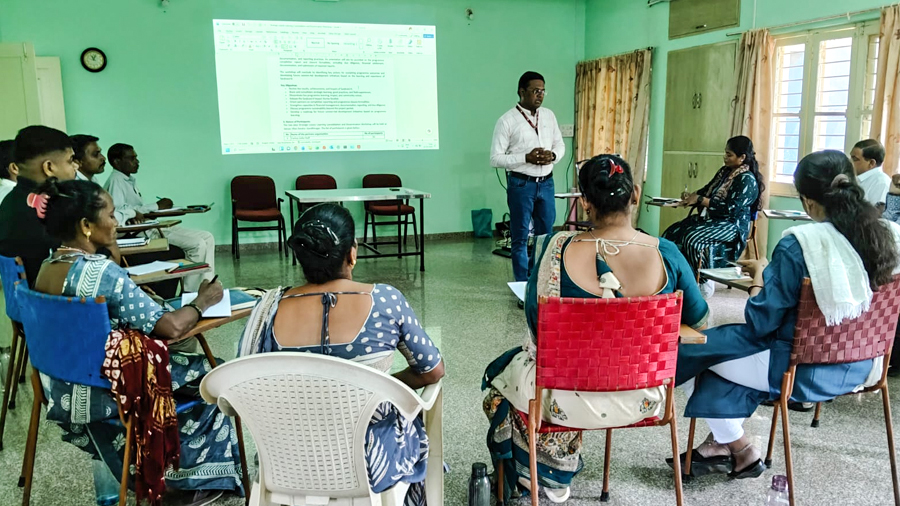
An independent external evaluation of Sanjivani-II based on 15 focus group discussions, six key informant interviews, and consultations with four partner organisations found that the programme had substantially validated its core theory of change, particularly in building women’s confidence to engage directly with government institutions.
Among the concrete outcomes reported by partner organisations:
- 270 women secured Forest Rights Certificates (FRC), formalising their land ownership rights
- Four women now serve as elected Panchayat members
- Around 150 women have become financially self-reliant through dairy farming, MGNREGA convergence, and other livelihood linkages
- Women’s collectives forged new institutional ties with the Agricultural Technology Management Agency (ATMA), the Forest Department, Krishi Vigyan Kendra (KVK), and Mission Mangalam
“Women demonstrated increased confidence in approaching Panchayats and government departments, pursuing entitlements, raising demands, organising around common concerns, and seeking institutional responsiveness,” the evaluation noted, describing the strongest gains along a clear pathway from awareness to engagement.
For those who worked closest with the programme, the numbers tell only part of the story.
“I have seen women become aware of their rights, raise community issues, engage with government institutions, support others, and take leadership roles,” said Mr. Vinod Vasava, Outreach Worker with Khedut Vikas Mandal, Vadodara, who has served as Programme Coordinator since Sanjivani’s inception. “The programme contributed to improved livelihoods, social security, self-respect, and financial stability, while several women were elected to Panchayats and became active in community development.”
“Being part of this journey has been a great privilege and valuable source of personal and professional learning,” Vasava added. “I sincerely thank Sanjivani-II, Caritas India, and Misereor for creating a platform that has enabled women to recognise their strength, claim their rights, and become agents of change in their communities.”
Representatives from three implementing partners shared field-level accounts of change during group presentations at the workshop.
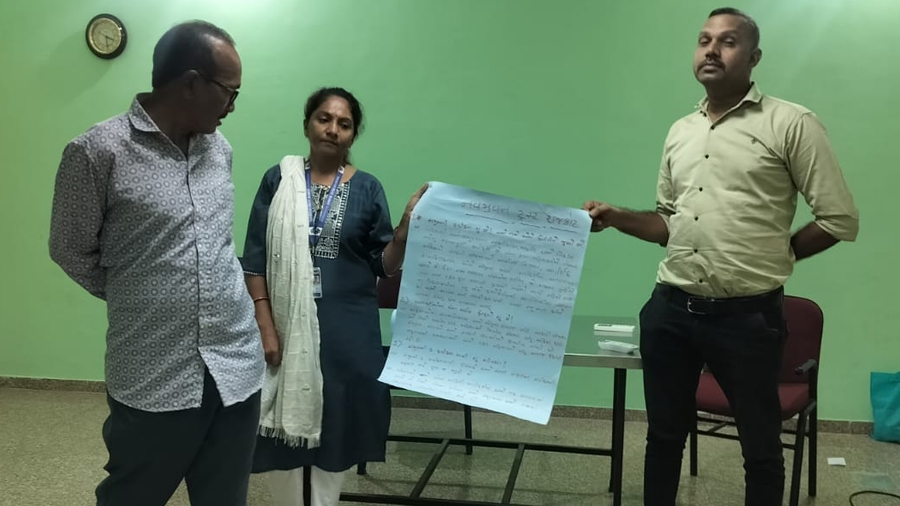
Navjeevan Trust, Rajkot reported that women it worked with had grown confident enough to make direct representations to their Village Talati and Sarpanch on community issues, crediting the programme’s guidance on government schemes, health, education, and economic opportunities.
Sabarmati Samruddhi Seva Sangh (SSSS) described women becoming more active in Gram Panchayats and Gram Sabhas, passing local resolutions, and building new linkages to line departments alongside gains in digital literacy, nutrition gardening, and organic farming.
Khedut Vikas Mandal, Vadodara pointed to strengthened ties between community-based organisations and government bodies, and highlighted the emerging role of youth in carrying the momentum of women-led governance forward.
While celebrating the gains, the evaluation also flagged work still to be done — noting that evidence was less consistent in translating engagement into sustained institutional influence, autonomous community systems, and long-term economic security, an area partners identified as a priority for future programming.
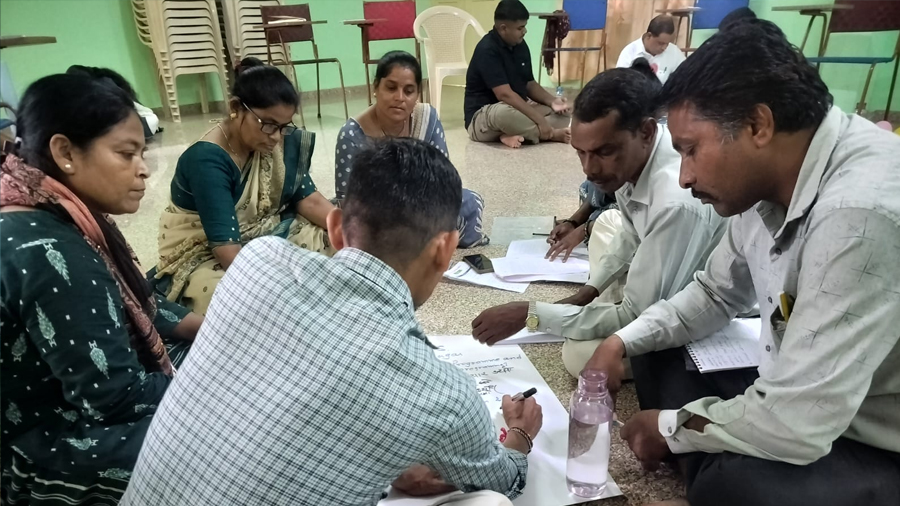
Partner organisations used the workshop to jointly identify priorities as the programme moves toward closure, including stronger family-to-government level coordination, expanded learning exchange between CBOs, and deeper capacity building in financial literacy, political engagement, and joint strategic planning.
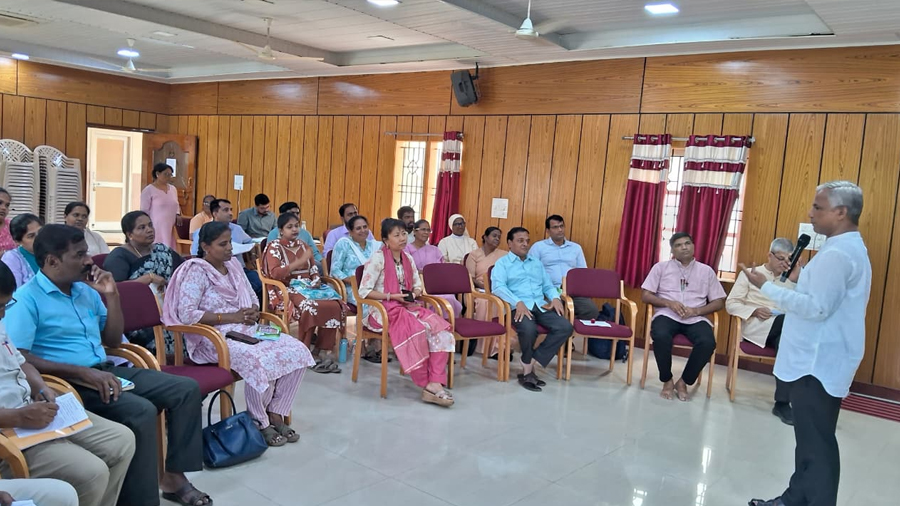
The workshop’s second day turned to leadership development, with resource person Ms. Gitaben Ojha leading sessions distinguishing the roles of managers and leaders. With leaders framed as those who focus on “people, innovation, development, trust, long-term vision, and positive change.” Sessions on financial closure and reporting, led by Mr. Soju Mathew, Finance Officer at Caritas India, and Dr. Mukund Deshmukh, Assistant Lead at Caritas India, prepared partners for the programme’s formal completion documentation.
Upcoming News
Shivamogga Diocese Trains Church Workers to Build Safer Spaces for Children
Church and social service workers across the Diocese of Shivamogga have completed a two day...
LEARN MORE
Ten Women Turn Papad Making into a Collective Enterprise
In Shiv Parvati Nagar, Indore, ten women have transformed papad making from a familiar household...
LEARN MORE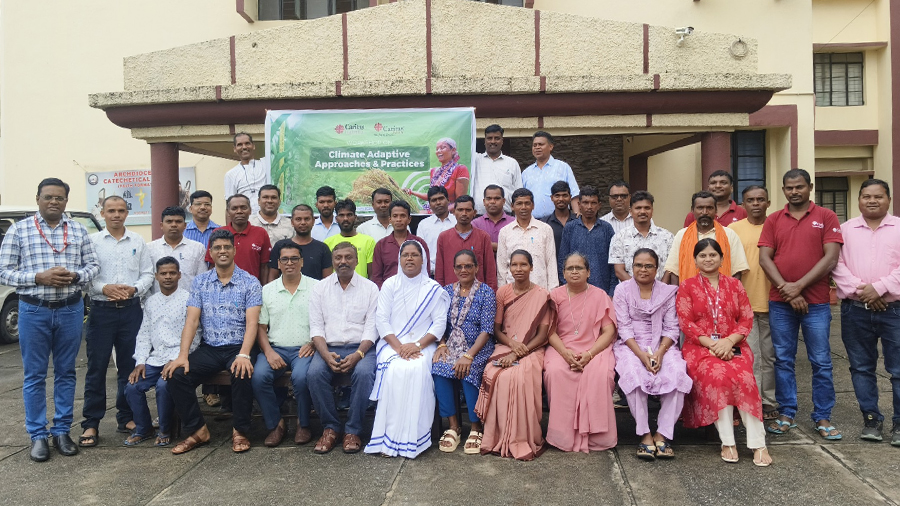
From Awareness to Action: Strengthening Climate-Resilient Practices through Learning and Innovation
As climate change increasingly affects agriculture, livelihoods and natural resources, the need for practical and...
LEARN MORE 91 -11 - 23362735
  director@caritasindia.org


