
 91 -11 - 2336 3390
  director@caritasindia.org
 How Livestock Insurance Saved Tripura Farmers from Financial Ruin
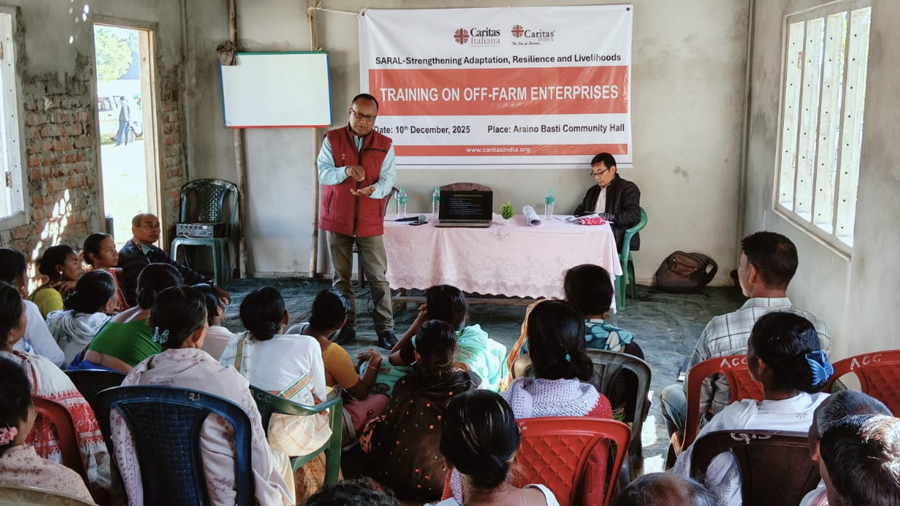
For a struggling farmer, the sudden death of a single goat is not just bad luck; it is usually the start of a vicious debt trap. But when Thai Majara Mog lost his animal to illness in Powang Bari village, the catastrophe never came. Instead, an ₹8,000 insurance payout arrived directly in his hands, proving that Caritas India’s push for risk reduction and livestock insurance is actively keeping rural families from sliding into financial ruin.
The timely payout saved his household from debt, shattering a widespread rural myth that insurance companies take money but never pay back.
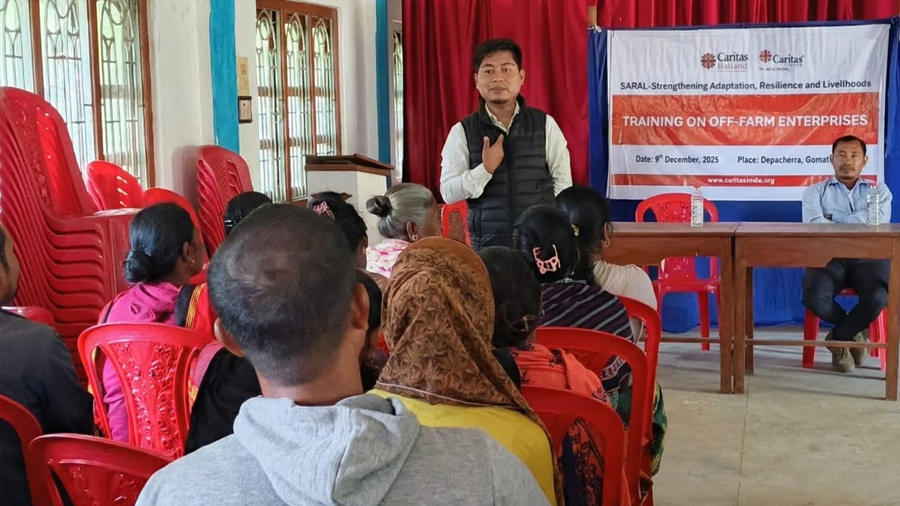
Across multi hazard zones in Northeast India, an unexpected animal disease or flash flood can wipe out a smallholder family’s entire life savings overnight. Under the Strengthening Adaptation, Resilience, and Livelihoods (SARAL) project, supported by Caritas Italiana, Caritas India is rewriting that script. By combining technical training and livestock asset creation with mandatory vaccination and micro insurance, the organisation is turning fragile rural livelihoods into disaster resilient investments.
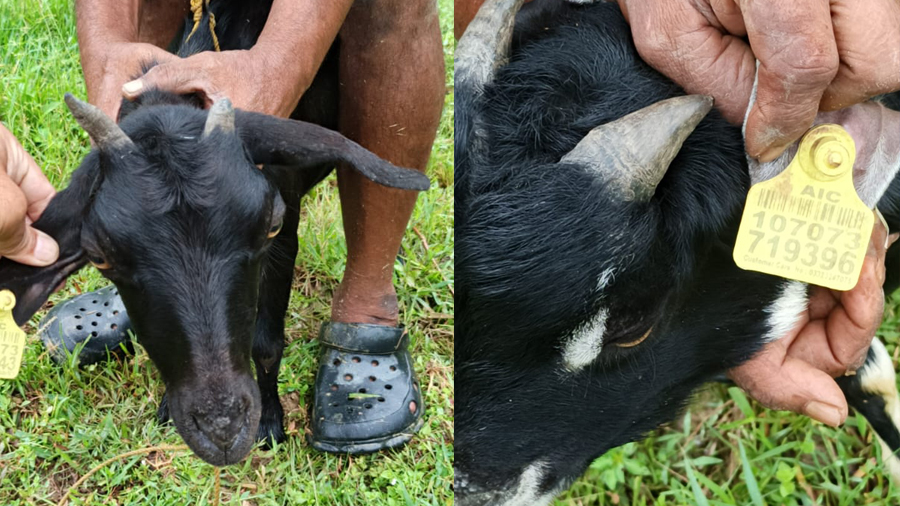
Thai Majara, a resident of Powang Bari village in Gomati district, had initially enrolled in livestock management training conducted alongside the local Department of Animal Husbandry. He received ₹5,000 in seed support through the SARAL project to purchase a goat, diversifying his income away from unpredictable single crop farming. Crucially, the project paired his purchase with preventive vaccination and livestock insurance through Himalaya Insurance Broker Ltd.
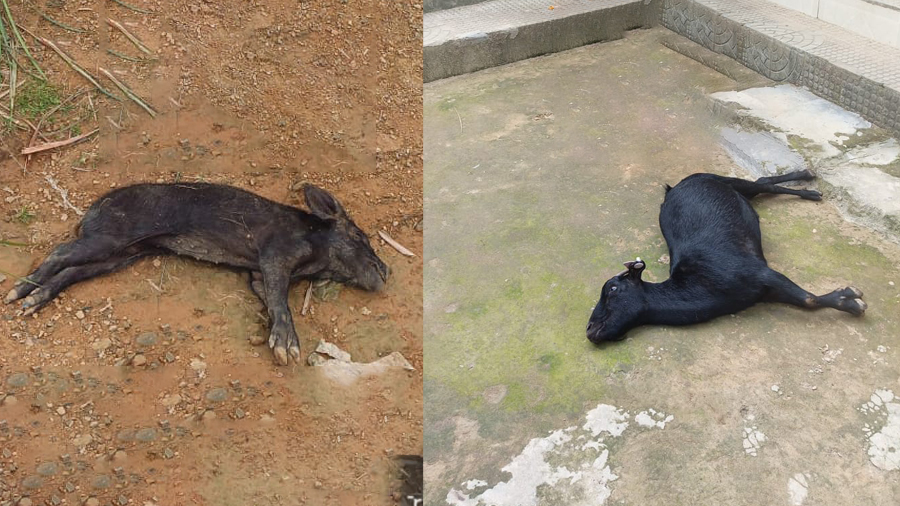
When the animal died a few months later, community mobiliser Biren Reang stepped in immediately to process the paperwork. The resulting ₹8,000 claim covered Thai Majara’s initial costs and gave him the capital to buy another animal without borrowing from moneylenders.
A few kilometres away in Thirthamukh village, Ganendra Reang received ₹30,000 after losing a goat and a pig, while fellow villager Molarai Reang recovered ₹6,000 when his pig died. Out of roughly 150 livestock beneficiaries across the state, three suffered animal deaths due to illness. Because every animal was insured, none of the three families had to shoulder the loss alone or sell off essential household possessions to survive.
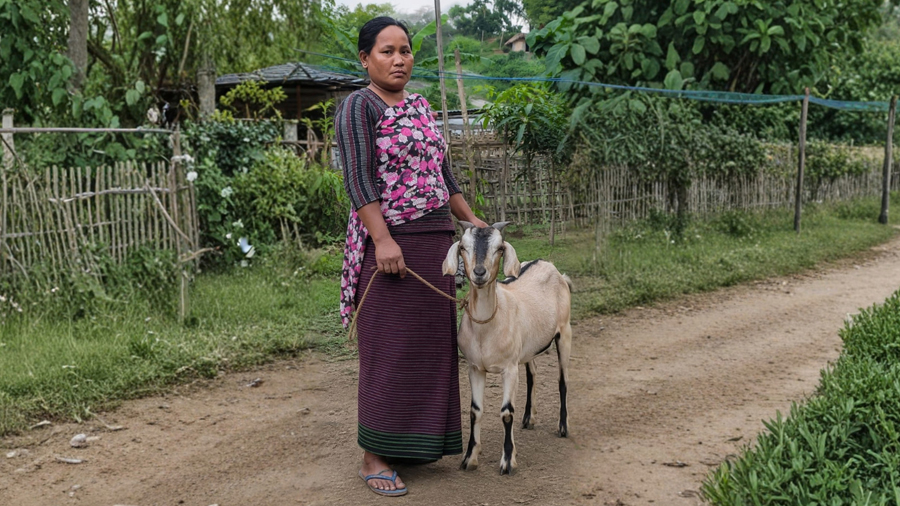
These payouts represent a critical breakthrough for Caritas India’s Disaster Risk Reduction (DRR) strategy. Working across vulnerable regions in Tripura, Assam, and Bihar, SARAL works with more than 3,400 rural households to ensure that communities do not simply react to disasters, but prepare for them long before they strike.
The effort is reinforced on the ground by the We4Resilience campaign, which trains villagers to assess community risks, maintain regular vaccination schedules, and treat asset insurance as an indispensable shield. By demystifying insurance claims and teaching families how to protect their income sources, the project equips communities with the confidence and practical tools to absorb shocks.
True resilience does not mean eliminating every risk or preventing every loss. It means that when misfortune strikes, vulnerable families have an active safety net ready to help them stand back up and keep moving forward.
Upcoming News
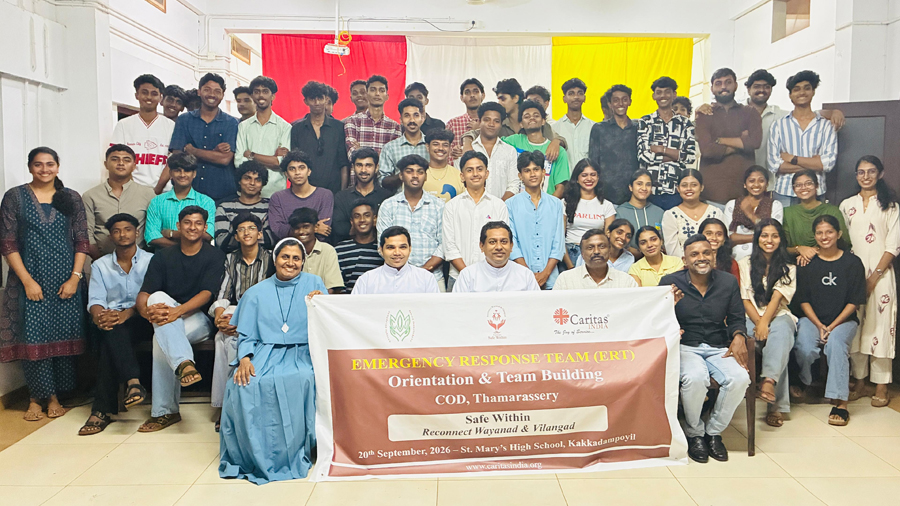
300 Kerala Youth Step Up as First Responders Across Wayanad and Kozhikode
Around 300 young men and women across Wayanad and Kozhikode have stepped into the front...
LEARN MORE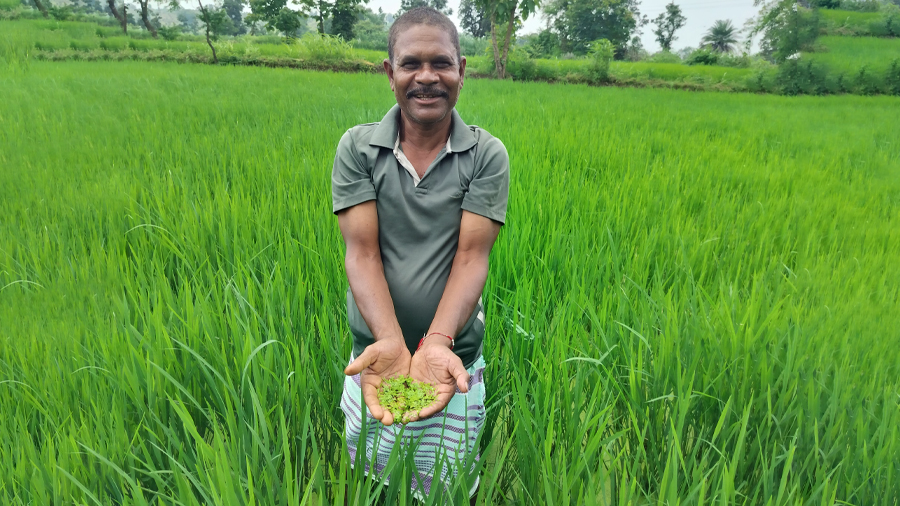
Backyard Aquatic Fern Is Slashing Farming Costs for Tribal Smallholders in Mandla
For tribal smallholders in Mandla, the soaring cost of chemical fertilizers and erratic weather have...
LEARN MORE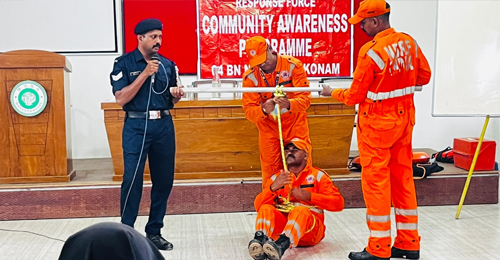
Ropes and Sacks Become Lifesaving Tools as NDRF Trains Wayanad’s First Responders
Long before an ambulance can reach a flooded village or a landslide hit hillside, it...
LEARN MORE 91 -11 - 23362735
  director@caritasindia.org


