
 91 -11 - 2336 3390
  director@caritasindia.org
 Ropes and Sacks Become Lifesaving Tools as NDRF Trains Wayanad’s First Responders
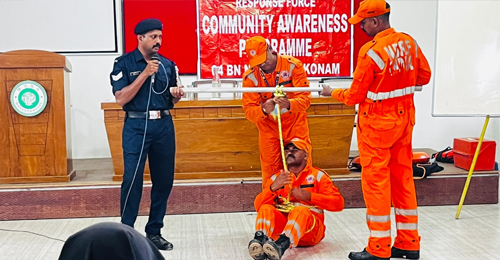
Long before an ambulance can reach a flooded village or a landslide hit hillside, it is usually a neighbour who pulls someone out first. That simple truth sat at the centre of a training held here on 11 September 2026, where officers from the National Disaster Response Force taught local volunteers how to save lives using little more than what is lying around the house.
The session, organized under the Safe Within Project by the Wayanad Social Service Society together with Caritas India, brought together members of the HEART Task Force, short for Humanitarian Emergency Aid and Response Team, a group of community volunteers being built up as Wayanad’s first line of defense against disaster. A four-member unit from the NDRF led the day at the WSSS Auditorium.
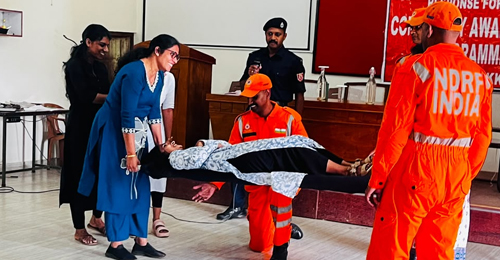
What stood out was not fancy equipment. It was the opposite. Officers showed volunteers how a coil of rope, a few sacks and some ordinary sticks, items found in almost any home, can be turned into rescue tools when nothing else is on hand. For Wayanad, a district where floods and landslides can strike with little warning, that kind of resourcefulness can matter as much as any rulebook.
Participants practiced safe evacuation, basic search and rescue, and how to size up a dangerous situation before stepping into it, skills meant to keep would be rescuers from becoming victims themselves. The NDRF team walked the group through approaching affected areas carefully, working as a unit during a rescue, and making quick decisions when conditions are still uncertain.
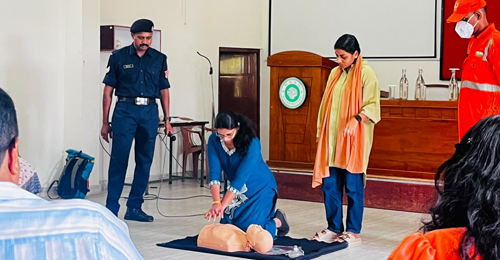
The day did not stop at physical rescue. A medical team from Revive Hospital, Anjukunnu, trained the group in First Aid, Basic Life Support and CPR, covering the critical minutes before professional medical help can arrive. That piece of the training rounded out the day’s focus on the earliest, most fragile stretch of any emergency, the period when a bystander’s actions can decide whether someone survives.
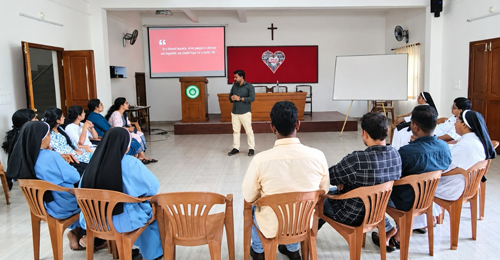
Mr. Abeesh Antony, Program Association of Caritas India then led a session on relief camp management and humanitarian support, walking volunteers through how to run a camp with dignity rather than chaos. Particular attention went to protecting children, women, older residents and people with disabilities during a crisis, groups that are often the first to be overlooked in the scramble of a disaster response. The session also touched on spotting protection concerns early and making sure aid reaches people based on what they actually need, not just who reaches the front of the line.
None of this exists in isolation. The HEART Task Force is part of a larger push under the Safe Within Project, which Caritas India describes as an effort to move away from relief models that simply wait for outside help to arrive. Instead, the project leans on the idea that ordinary residents, properly trained, are the true first responders in any crisis. Similar task forces have already been rolled out at parish and diocese level across Wayanad and Kozhikode over the past year, with volunteers oriented not only in emergency coordination but also in staying calm and clear headed under pressure, an approach the project has previously called the Triple S framework of Self, System and Society.
Organizers were careful to frame the training as a complement to official emergency services, not a replacement for them. The Task Force exists to act in the gap between when disaster strikes and when trained crews arrive on the ground, and to then work alongside those crews rather than around them. That coordination piece, working with panchayats, district disaster management authorities and humanitarian agencies rather than in isolation, was repeated throughout the day as a core principle, not an afterthought.
The Safe Within Project was launched in November 2025 and is implemented with the Kerala Social Service Forum and four diocesan partners, including WSSS in Mananthavady, and places as much weight on psychosocial recovery and emotional wellbeing as it does on physical preparedness, a balance that has shaped how HEART volunteers are trained from the start.
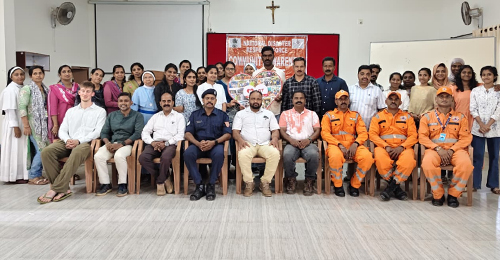
The training in Mananthavady closed with a simple reminder to participants: preparedness and quick, coordinated action save lives. For Caritas India and its partners, the day was one more building block in a longer effort to create a network of trained, community rooted responders across Wayanad, people who live in these villages, know their neighbours, and will be the ones standing closest when the next disaster begins to unfold.
Upcoming News
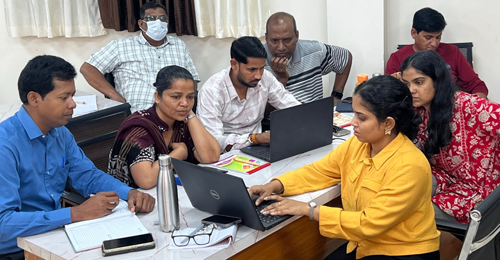
Caritas India Trains Partner Organisations in Evidence Based Project Proposal Writing
Some of the strongest community projects never get built, not for lack of need or...
LEARN MORE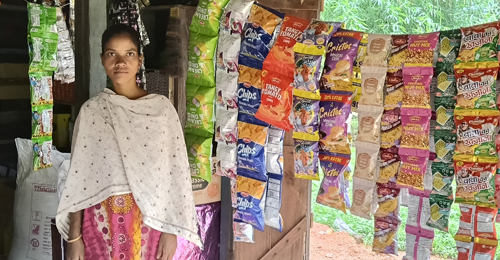
A Grocery Shop, a Mother’s Resolve, and Three Daughters Who Stayed in School
Three young girls in this remote village are attending school regularly today because their mother...
LEARN MORE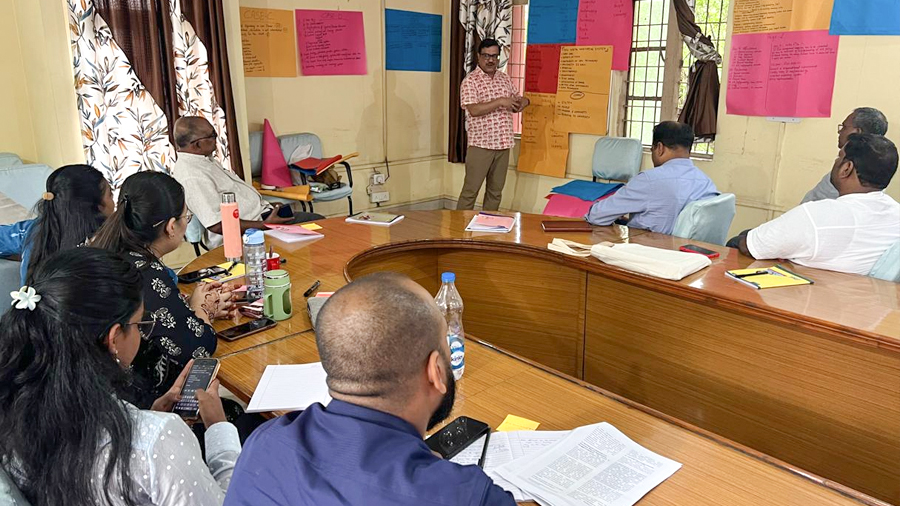
When NGOs Grow, What Breaks First? Caritas India Tackles the Answer in Raipur
Three-day workshop arms executive leaders with governance tools, a 20-policy framework and practical fixes for...
LEARN MORE 91 -11 - 23362735
  director@caritasindia.org


