
 91 -11 - 2336 3390
  director@caritasindia.org
 Jharkhand Region taking steps to build a Culture of Safeguarding
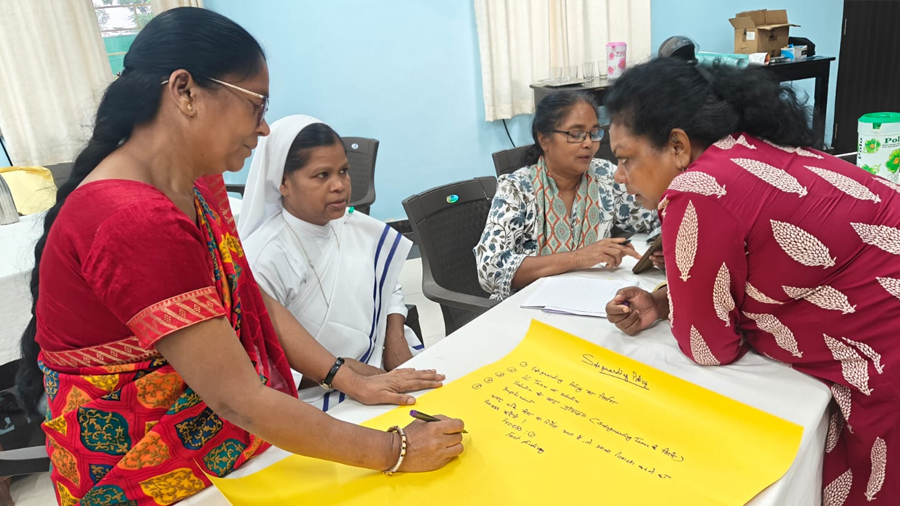
Every organisation that works closely with people especially children, women and vulnerable communities carries a quiet responsibility: to make sure the spaces it creates are as safe as they are helpful. That responsibility was at the heart of a two-day workshop in Ranchi, where representatives from across Jharkhand came together not just to learn about safeguarding, but to talk through what it actually looks like in practice.
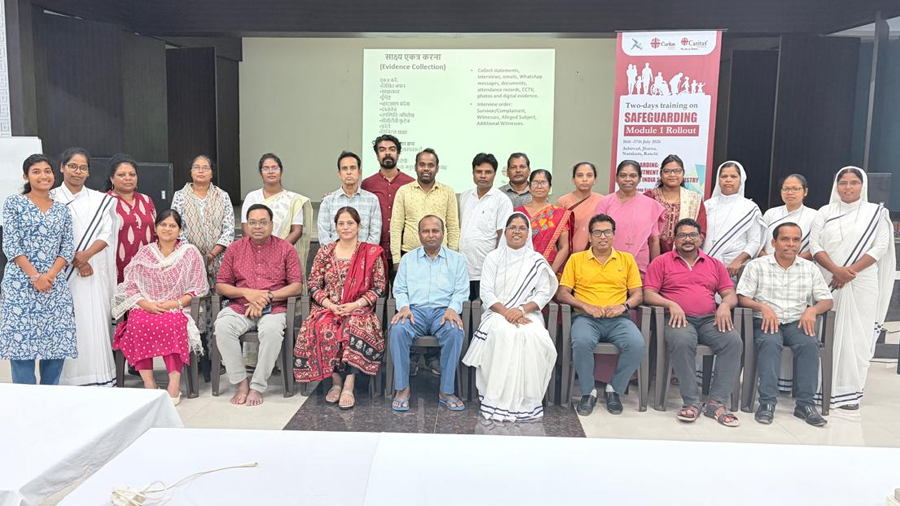
Caritas India, with support from the Jharkhand Regional Forum – SIGN, brought together representatives from partners in Ranchi, Khunti, Simdega, Gumla, Hazaribag, Dumka, Chandwa and Jamshedpur for the Safeguarding Module 1: Rolled Out Training, held on 16th and 17th July 2026 at Ashirwad, Ranchi. Members of Internal Complaints Committees (ICCs) from partner organisations sat alongside Caritas India staff, all there for the same reason: to get better at protecting the people they serve.
Opening the workshop, Fr. Bipin Pani, Director of SIGN, reminded participants that strong Internal Complaints Committees and a culture of accountability don’t happen by accident — they have to be built, deliberately, by institutions willing to take responsibility. Safeguarding, he said, isn’t the job of one office or one policy document. It belongs to everyone in the room, and everyone they work with.
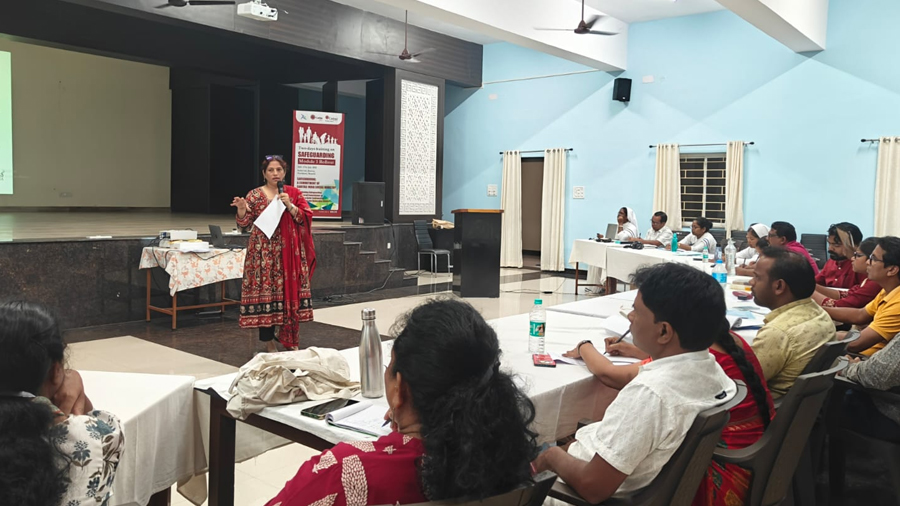
That message ran through the two days that followed, facilitated by Ms. Sunita Ashwin, Presiding Officer of the Safeguarding Committee at Caritas India, alongside trainers from the DSSS partner organisations themselves.
Rather than treating safeguarding as an abstract policy exercise, the sessions were built around the real, often uncomfortable situations participants may one day have to face. Discussions covered the language of safeguarding itself — terms like abuse, neglect, exploitation, disclosure, consent and confidentiality — not as jargon, but as tools for recognising when something is wrong and responding to it with care rather than confusion.
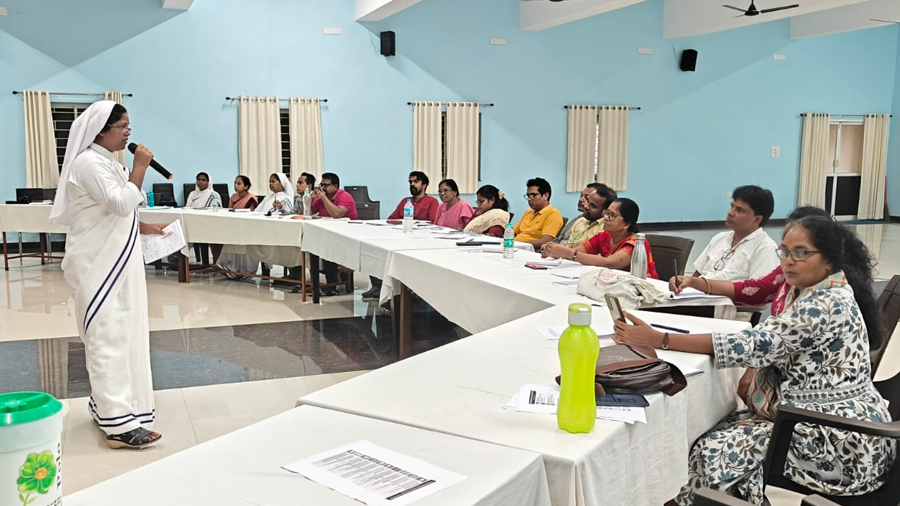
Participants worked through how to spot the early warning signs of abuse, long before a situation becomes a crisis. They looked closely at the legal ground beneath safeguarding work — the POSH Act, Child Protection Policy, the Juvenile Justice Act and POCSO — and at the harder-to-name harms too, including spiritual abuse and how it can surface within Church settings. One of the most candid conversations of the training centred on what happens when an allegation is made against someone in a position of authority within the Church — and the shared understanding that fairness and transparency cannot depend on who the accused person is.
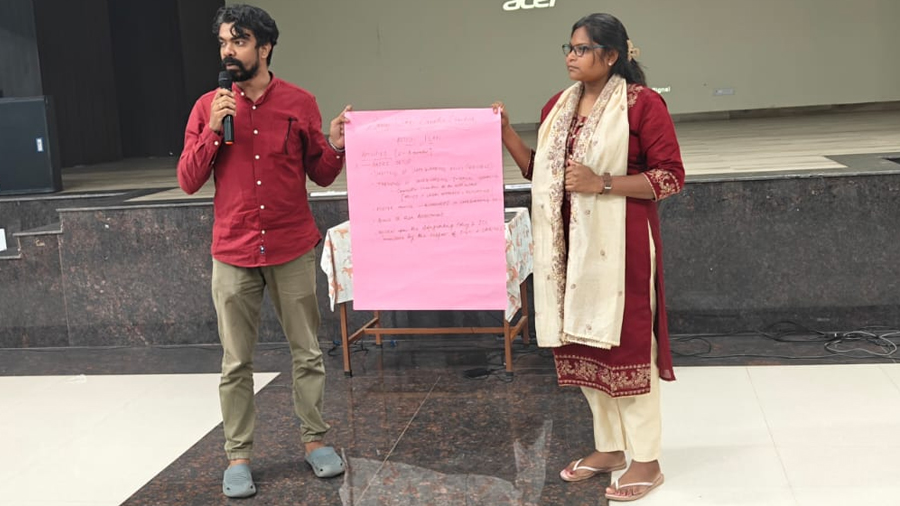
Through role plays, group exercises and short documentation videos, participants also practised the quieter, procedural side of safeguarding: how to investigate a concern without letting rumour or premature disclosure cause further harm, and how to keep a survivor’s safety, dignity and choices at the centre of every decision along the way.
By the end of the training, each partner had drafted a three-month safeguarding action plan — a concrete starting point that Caritas India and the Ranchi Regional Forum – SIGN will continue to support and follow up on.
For many participants, the training reframed safeguarding as something far more personal than a compliance requirement.
Mr. Abhilas, Team Lead at Samaj Vikas, Chandwa, said the training helped him see safeguarding as something that protects the whole organisation, not just individuals: “It strengthened our understanding of POSH, Child Protection, Juvenile Justice, and the POCSO Act, enabling us to streamline safeguarding practices within our organization.”
Fr. Dominic Tudu, Director of Social Development, Dumka, put it simply: “Safeguarding is not just a policy; it is about creating a safe environment where women, children, and vulnerable people can live and work with dignity.”
And for Ms. Sunita Lakra, a SIGN staff member working on the PESA Act and Gram Sabhas, the training filled in gaps she hadn’t realised were there: “Many forms of exploitation and harassment occur in workplaces and communities. Through this workshop, I learned the different forms of harassment and abuse covered under safeguarding and gained a clear understanding of how the Internal Complaints Committee functions.”
Two days of training will not, on their own, make every workplace or community completely safe. But they build something that lasts longer than the workshop itself: people who know what to look for, who understand what to do next, and who feel it is their responsibility to act.
As the partners across Ranchi region begin putting their action plans into practice, Caritas India remains committed to walking alongside them — through continued mentoring, technical support and follow-up — so that the values discussed in that room in Ranchi translate into safer, more dignified spaces for the women, children and vulnerable communities they serve every day.
Upcoming News
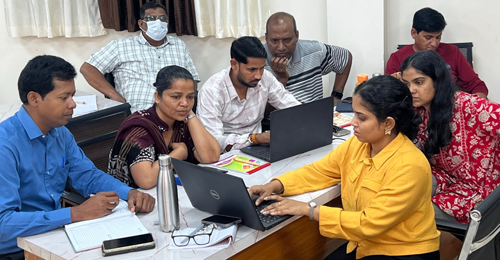
Caritas India Trains Partner Organisations in Evidence Based Project Proposal Writing
Some of the strongest community projects never get built, not for lack of need or...
LEARN MORE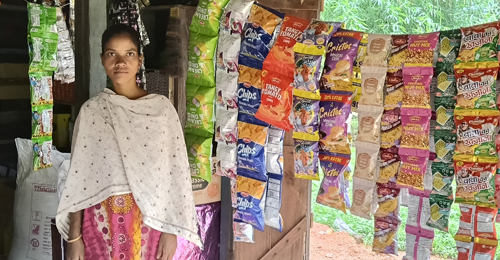
A Grocery Shop, a Mother’s Resolve, and Three Daughters Who Stayed in School
Three young girls in this remote village are attending school regularly today because their mother...
LEARN MORE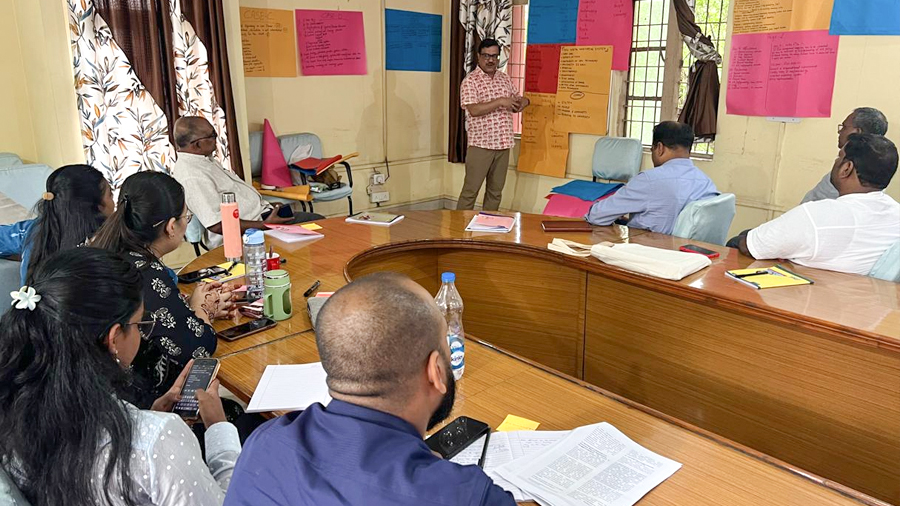
When NGOs Grow, What Breaks First? Caritas India Tackles the Answer in Raipur
Three-day workshop arms executive leaders with governance tools, a 20-policy framework and practical fixes for...
LEARN MORE 91 -11 - 23362735
  director@caritasindia.org


