
 91 -11 - 2336 3390
  director@caritasindia.org
 Kabir’s New Path, and the Hidden Burden Behind It
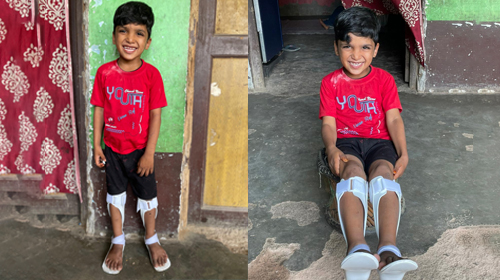
Six-year-old Kabir (name changed) from Mahrola in Nuh, Haryana has same dreams as any other child, but he cannot walk that path to make it into reality. Born with Cerebral Palsy, Kabir’s early years were defined by a cruel physical geometry: the knee hypertension while standing and toe walking which is making heel raise.
In family of eight children, where hands were always full and money was always tight, his world shrank to the dimensions of a single room. While other children raced down the dirt lanes to the local school, Kabir remained behind, not for a lack of desire, but for a lack of a way out.
During the assessment by a visiting team from Caritas India under the Promoting community-based rehabilitation program, they looked past the clinical diagnosis to see a boy who was being left behind before his life had even truly begun.
To break this isolation, the team knew they had to act fast to intervene early and nip the compounding effects of his disability in the bud.
The first hurdles weren’t physical, but bureaucratic. The team worked alongside the family to update Kabir’s Aadhaar card and secure his Unique Disability ID (UDID) card, effectively mapping him back into the government support systems he was entitled to. With his legal identity restored, they knocked on the door of the local school and secured his admission.
Then came the physical freedom. Through the corporate social responsibility (CSR) partnership of Highway Roop Precision Technologies Limited, Kabir was fitted with custom orthotic supports designed to stabilize his stride. The team assisted him in getting the wheelchair under the Government Scheme which help him to go to school.
Today, the heavy silence of Kabir’s mornings has been replaced by the rhythmic crunch of gravel under rubber wheels. He is finally a student, sitting in a classroom, absorbing lessons alongside his peers. The physical rehabilitation is a slow, patient, day-by-day climb, but his isolation has ended.
To tell Kabir’s story completely, one must look at the quiet exhaustion in his mother’s eyes. Kabir is one of eight siblings among five brothers and two sisters. This large family portrait is the direct result of a deeply rooted social pressure that quietly dictates the lives of so many women in rural communities: the relentless, societal demand for a male heir.
In the cultural race to deliver a boy, women are frequently pushed into a cycle of rapid, successive pregnancies. This patriarchal expectation carries a heavy biological price as mothers are given almost no time to heal or replenish their bodies between births. The continuous childbearing under these pressures drains a woman’s vital nutritional stores. This severe maternal exhaustion and lack of nutritional spacing directly increases the risk of low birth weight, premature deliveries, and developmental delays and Cerebral Palsy.
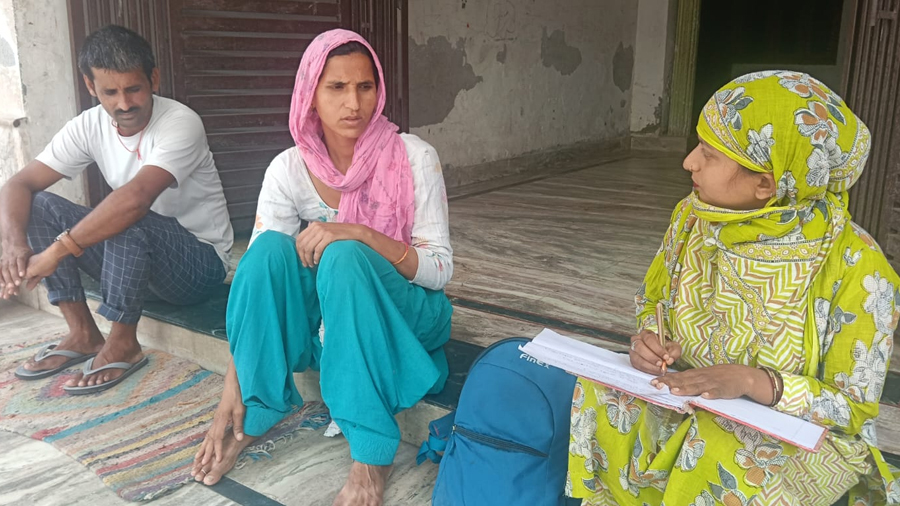
Reflecting on her journey, Kabir’s mother whispers a painful truth that after finally giving birth to the boy the family sought, her own health broke down completely. Years of continuous pregnancy under social duress left her body deeply fragile and depleted.
Caritas India recognizes that wheelchairs is not enough but treating the root cause would help in decreasing the number of children born with cerebral Palsy and development delay. Therefore, the project uses the visible transformation of children like Kabir to open doors to much harder conversations within the community.
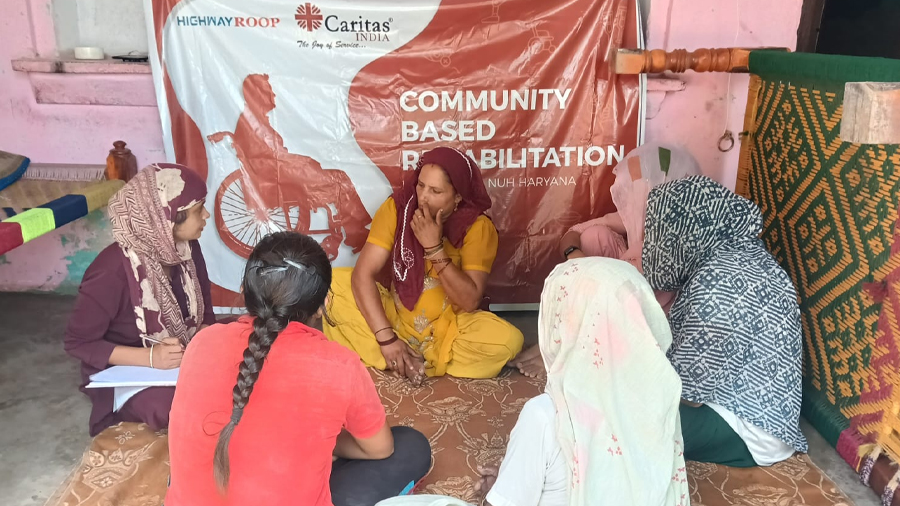
Alongside physical rehabilitation, field workers hold village meetings to pull back the veil on the “boy wish.” They openly discuss maternal health, the necessity of family planning, and the direct link between a mother’s physical exhaustion and childhood developmental challenges.
Kabir’s step-by-step victory is now a living blueprint for the region. Through this exact same initiative, numerous other children dealing with developmental delays and elders facing the brittle reality of age-induced immobility are receiving the orthotic supports and mobility devices they need to rejoin their communities.
Change in Mahrola is moving slowly, but as Kabir wheels himself toward his classroom each morning, it is moving with absolute certainty.
Upcoming News
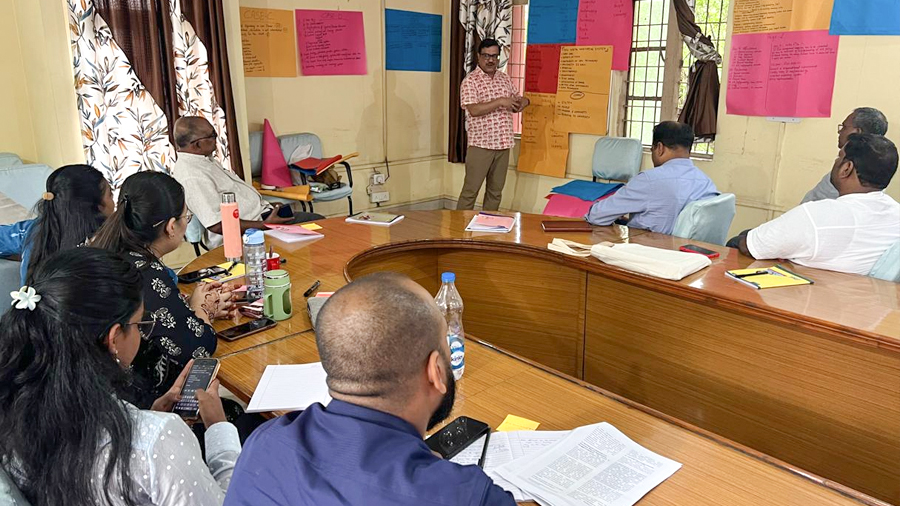
When NGOs Grow, What Breaks First? Caritas India Tackles the Answer in Raipur
Three-day workshop arms executive leaders with governance tools, a 20-policy framework and practical fixes for...
LEARN MORE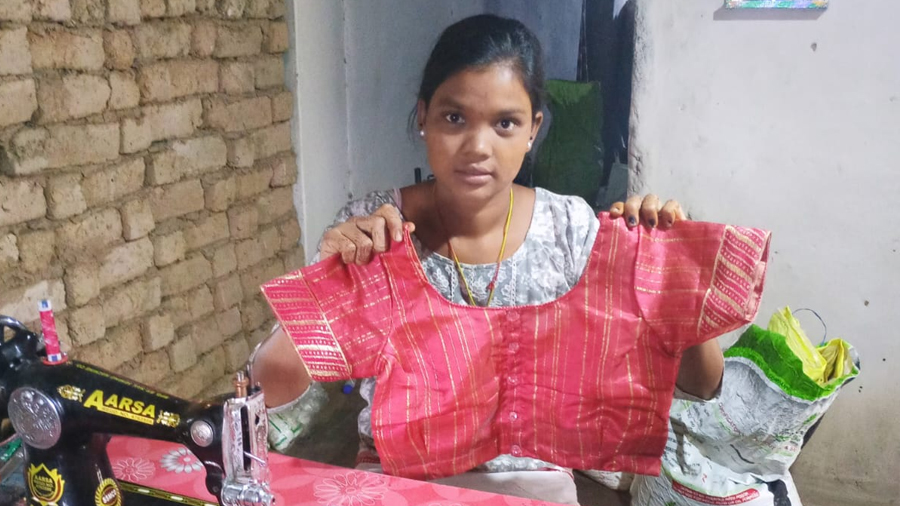
Nine Kilometres Through the Jungle: How Poornima Stitched Her Own Future
For 19 year old Poornima Rawat of Rajamma village in Lailunga block of Chhattisgarh's Raigarh...
LEARN MORE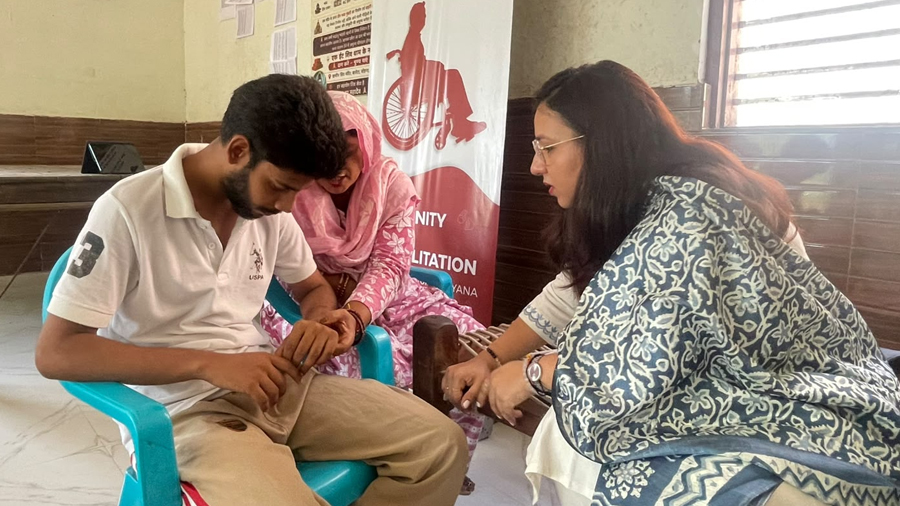
In a Nuh Village, People Living With Mental Illness Finally Got to Speak, and Be Heard
Nine people sat in that room in Barota village, Nuh district, Haryana, each carrying a...
LEARN MORE 91 -11 - 23362735
  director@caritasindia.org


