
 91 -11 - 2336 3390
  director@caritasindia.org
 Raising awareness: Envisioning behavioural changes in relation to menstrual hygiene
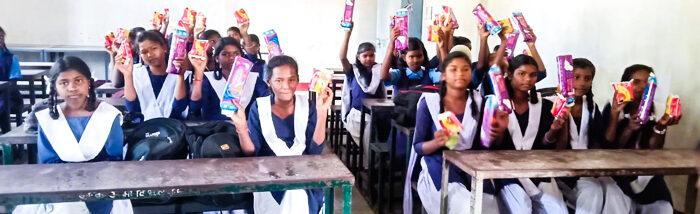
Hemlata Nag a school girl of Netanar village in Jagdalpur block, Bastar District, stated, “My mother restricted me from entering the kitchen for three days and provided me with a separate room to stay in.”
When a girl has her first menstrual period in Bastar, Chhattisgarh, she is referred to as a ‘Kachuk Muryali,’ which means she has reached adulthood and is able to wash her own clothes.
Adolescence has been recognized as a special period that requires specific attention as it marks the onset of menarche, an important milestone, and hence good hygienic practices during menstruation are crucial for maintaining a healthy lifestyle.
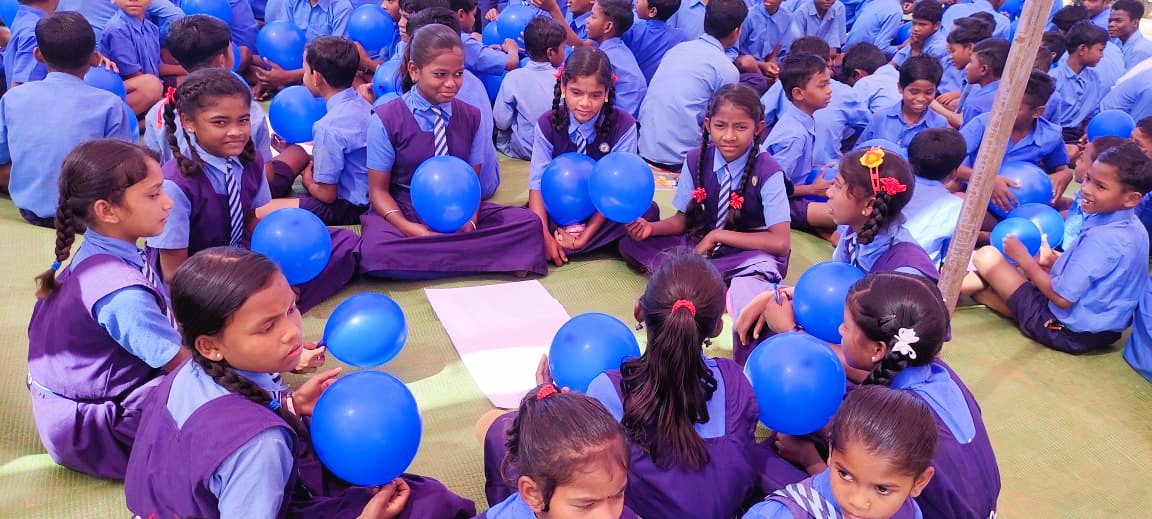
Menstruation (a period) is an exceptional phenomenon that nature has planned for women. It is not just a small term but a major stage where a woman undergoes certain reproductive changes from the onset of menstruation till menopause.
Adolescence is the stage of physical, psychological, and reproductive development that generally occurs during the period from puberty to legal adulthood. The World Health Organization defines adolescence as individuals between 10 and 19 years of age. Adolescence in girls has been recognized as a special period in their life cycle that requires specific and special attention. This period is marked by the onset of menarche.
Menstrual practices of adolescent girls in rural parts of India are greatly influenced by taboos and socio-cultural beliefs. The majority of the girls from the remote village didn’t have the right scientific knowledge about menstruation and were isolated during menstruation. They used cloth or homemade sanitary pads and were at risk of infections. There is a dire need for knowledge dissemination among school children and their families, increased awareness of menstrual hygiene and access to the requisite sanitary products in rural areas.
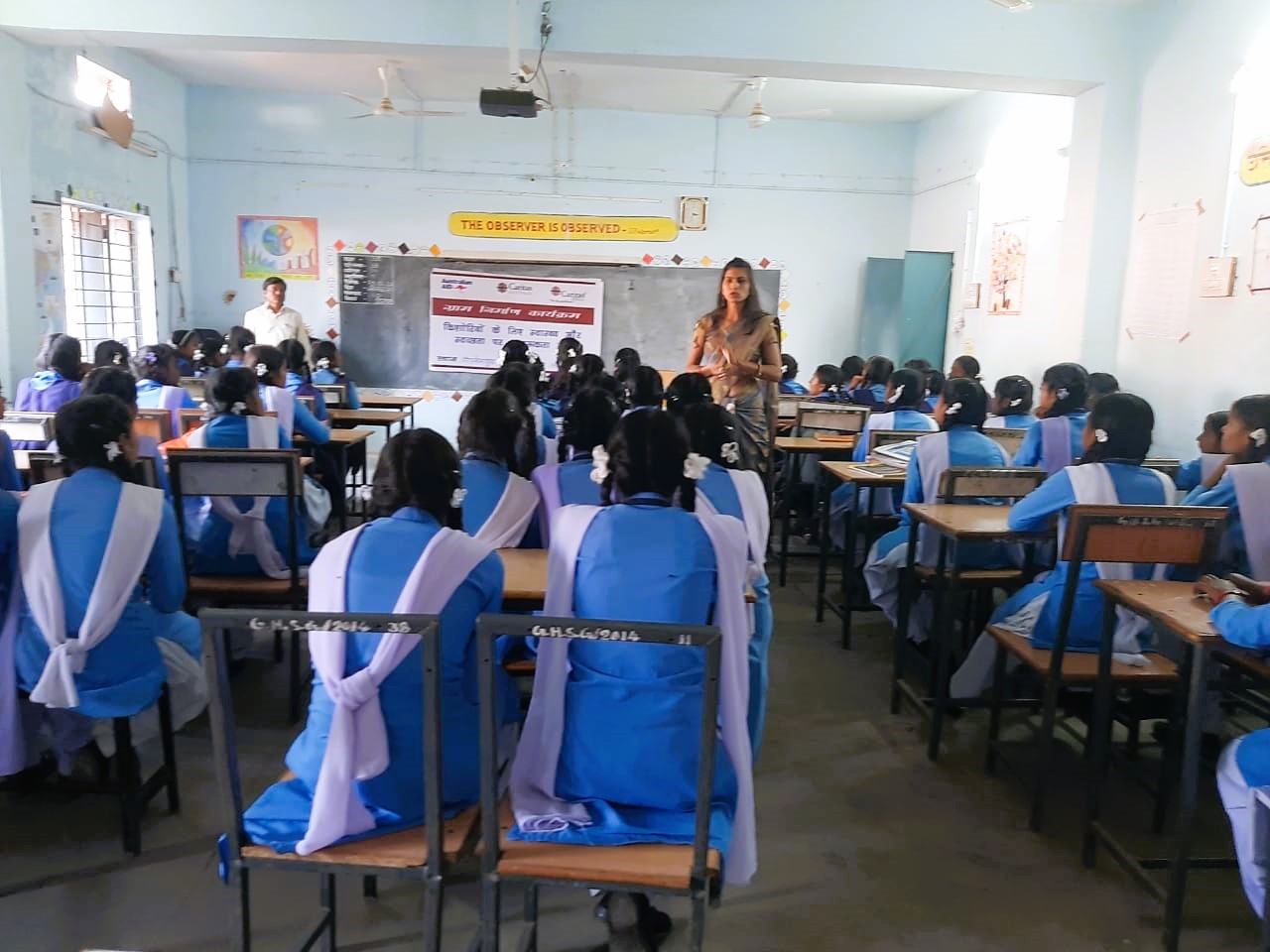
To address this issue, Caritas India, through its Gram Nirman programme supported by Caritas Australia and Australian Aid, organised health, and hygiene awareness sessions for adolescent girls, with a focus on menstrual hygiene. The sessions were organized in all 11 intervention districts of two states i.e., Chhattisgarh and Jharkhand. The sessions were conducted by well-versed development professionals and practitioners from institutes such as UNICEF, medical professionals, and experienced resource persons from local Dioceses and government agencies.
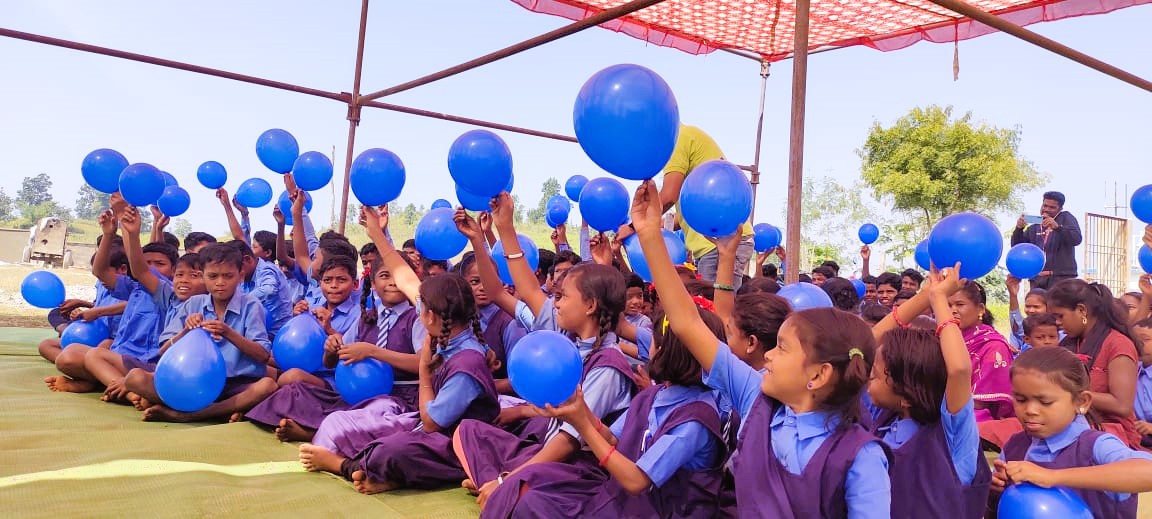
More than 800 adolescent girls from different government and non-government schools from rural Chhattisgarh and Jharkhand participated in these sessions and clarified their doubts in a safe and conducive learning environment. The resource persons imparted the sessions in plain and simple language using practical techniques such as role-playing, one act play, and drama, making it easy for students to comprehend. With support from local health departments, low-cost sanitary pads were distributed among the girls encouraging them to maintain their personal health and menstrual hygiene.
Upcoming News
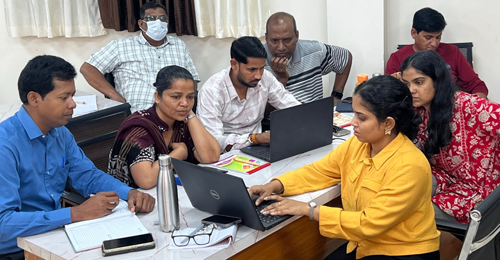
Caritas India Trains Partner Organisations in Evidence Based Project Proposal Writing
Some of the strongest community projects never get built, not for lack of need or...
LEARN MORE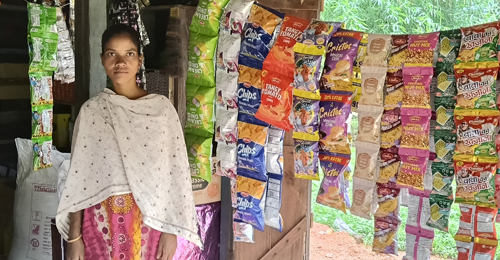
A Grocery Shop, a Mother’s Resolve, and Three Daughters Who Stayed in School
Three young girls in this remote village are attending school regularly today because their mother...
LEARN MORE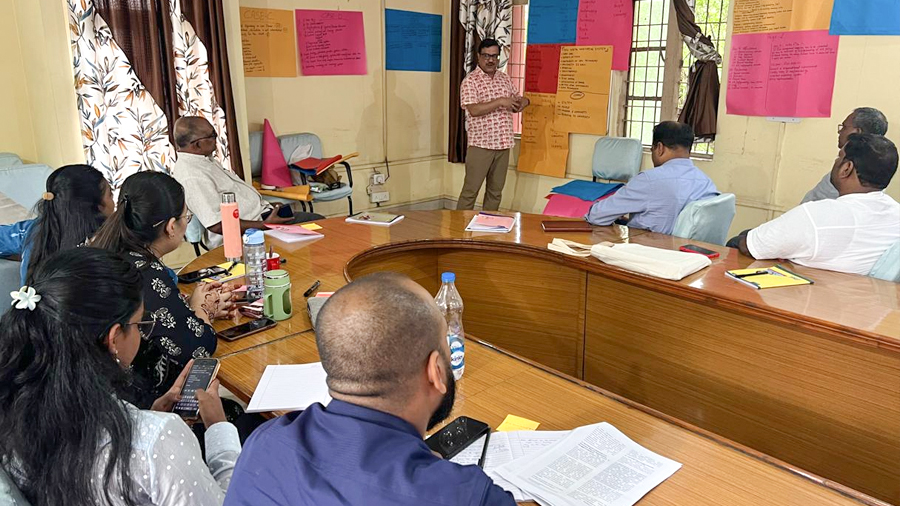
When NGOs Grow, What Breaks First? Caritas India Tackles the Answer in Raipur
Three-day workshop arms executive leaders with governance tools, a 20-policy framework and practical fixes for...
LEARN MORE 91 -11 - 23362735
  director@caritasindia.org


