
 91 -11 - 2336 3390
  director@caritasindia.org
 The Sanjivani project operated in Maharashtra and Gujarat, significantly empowering women from marginalized and backward communities. We aimed to cultivate an informed, skilled, and organized group of women leaders to establish efficient and effective grassroots-level governance, ensuring communities received development and welfare benefits.
Sanjivani-II also propelled women-led livelihood initiatives, accelerating their economic empowerment. The program broadened women’s leadership roles beyond traditional governance, nurturing their capabilities in agriculture, community decision-making, and information access, including digital technologies.
Adopting a forward-thinking approach, Sanjivani-II prepared the next generation of women leaders by developing leadership skills in girls and adolescent girls. To facilitate this, Children’s Parliaments (CPs) were specifically introduced for girls, equipping them with civic literacy and exposing them to community decision-making, governance systems, and the parliamentary model of development administration. This initiative democratized local systems, improving access to essential welfare and development services through women-led efforts. By fostering strong women’s leadership and collective action, Sanjivani enabled communities to better access government schemes, overcoming barriers like lack of awareness or corruption. The project focused on making governance more inclusive, giving women greater decision-making power, enhancing their community leadership, and ultimately leveraging women-led governance to improve access to vital welfare schemes for all.
- Madhya Pradesh
- Gujarat
Our Reach
- 2States
- 7Districts
- 80+6Villages
- 1,48,919Population
Focus
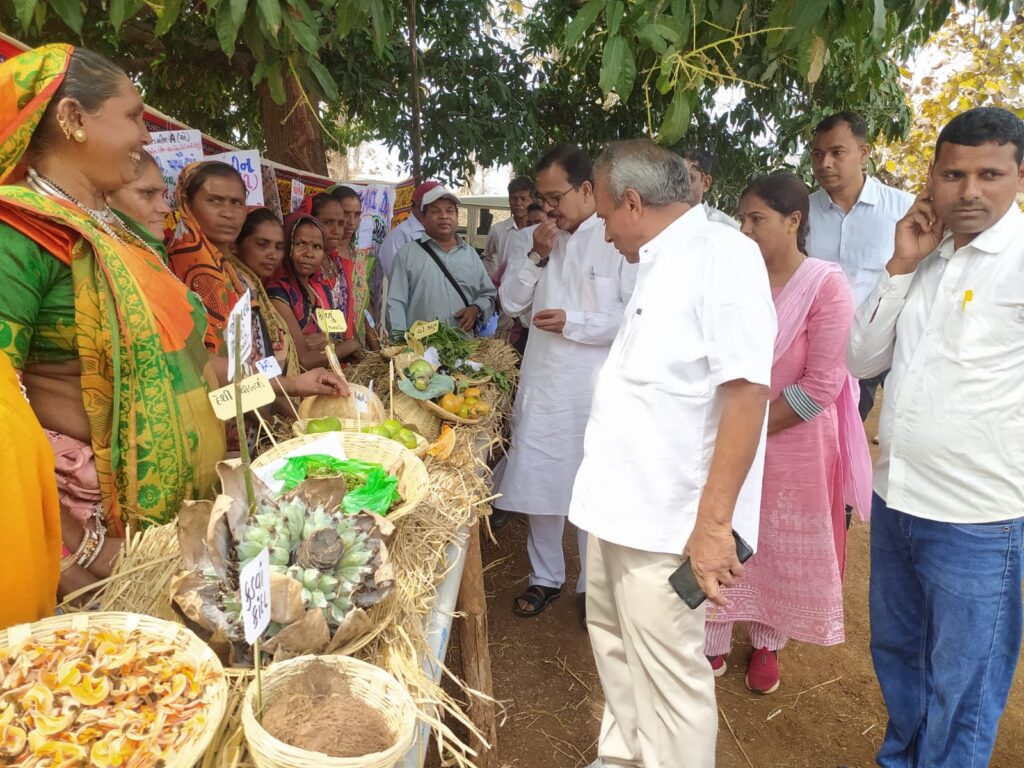
Good Governance
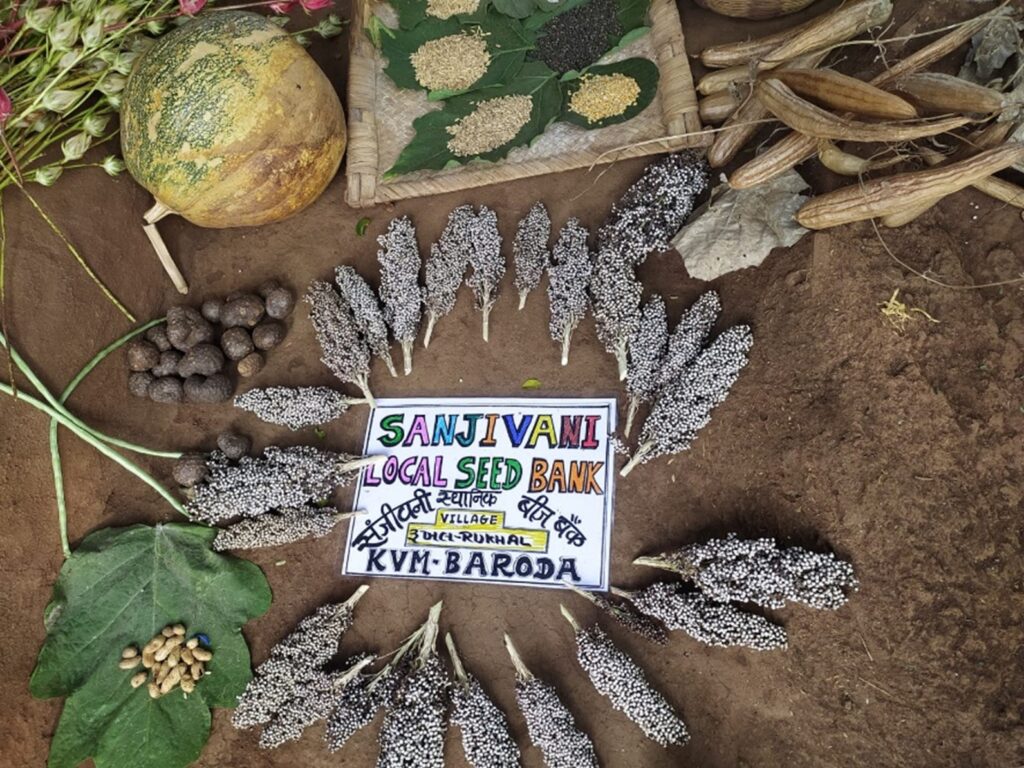
Food and Nutrition Security
Impact
- 25970 households linked with benefits of government schemes.
- 260 women CBOs constituted and strengthened.
- 4260 households started systematic nutrition gardens.
- 570 community assets created with people's movements.
- 9700 women began attending Gram Sabha meetings.
- 475 women were helped to start non-farm livelihoods.
News
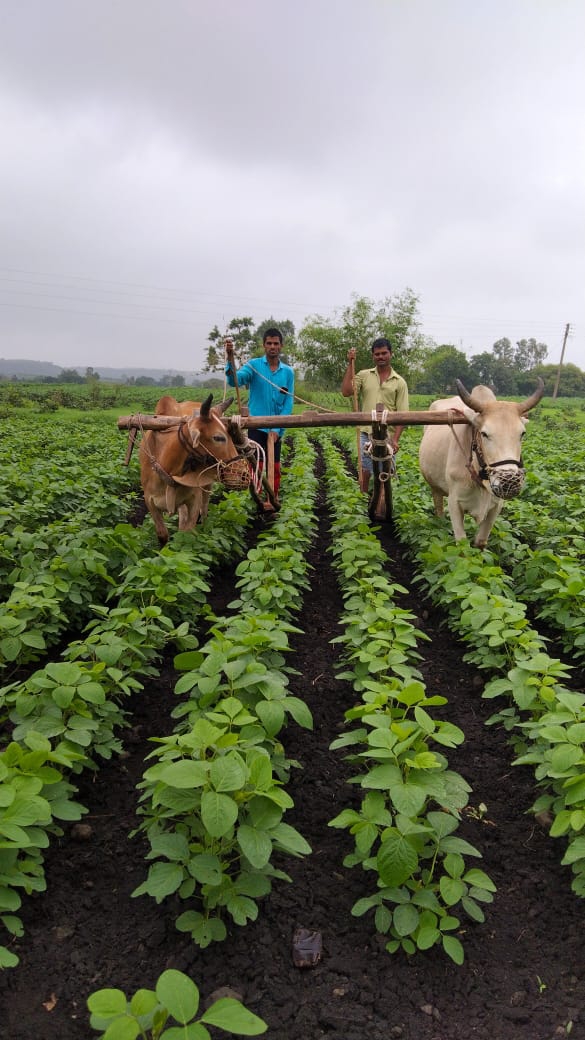
Caritas inaugurates millet popularisation workshop to stimulate millet growth in the country
LEARN MOREEmpower smallholder farmers in Northeast India for a sustainable future – support FARM Northeast today!
LEARN MOREResources

The New Exodus – The Untold Stories of Distressed Migrants during Covid-19
Walking with the migrants beyond Covid-19 Pandemic
 91 -11 - 2336 3390
  director@caritasindia.org


