
 91 -11 - 2336 3390
  director@caritasindia.org
 Good health is way forward to peace and prosperity in the family
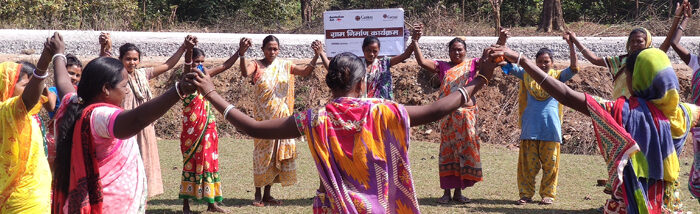
India is one of the world’s largest producers of milk & pulses and ranks the second-largest producer of rice, wheat, sugarcane, groundnut, vegetables, fruits, and cotton, according to Food and Agriculture Organization of the United Nations (FAO). Despite this, 14 per cent of India’s population is undernourished, according to ‘The State of Food Security and Nutrition in the World, 2020’.
The report states 189.2 million people are undernourished in India and 34.7 per cent of the children aged under five in India are stunted. It further reports that 20 per cent of India’s children under the age of 5 suffer from wasting, meaning their weight is too low for their height.
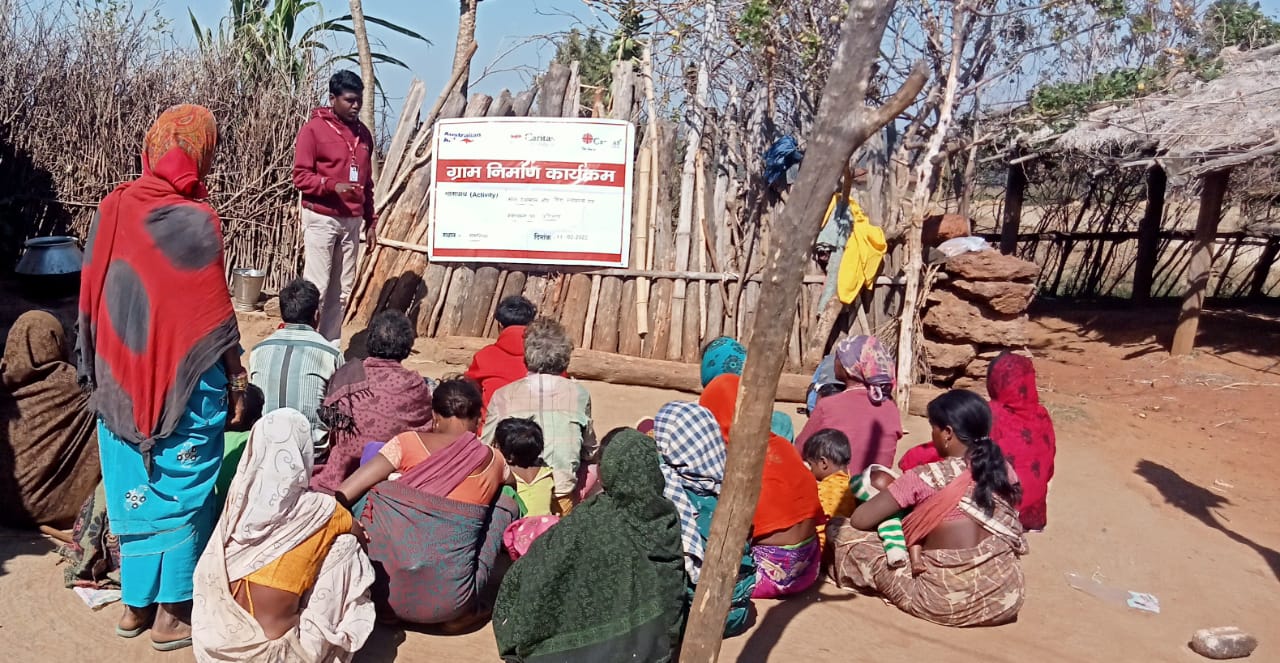
To address the issue, Caritas India is providing training and capacity building to households on wellness/ nutrition and backyard nutritional (locally grown/available food consumption), with a special focus on maternal and child health, through the Gram Nirman programme. It is worth noting that Caritas India is working in 165 tribal villages of Jharkhand and Chhattisgarh state through the Gram Nirman programme, which is supported by Caritas Australia, to improve tribal communities’ livelihoods and help them become self-reliant and self-sufficient. The programme is co-funded by the Department of Foreign Affairs and Trade (DFAT) through the Australian NGO Cooperation Program (ANCP).
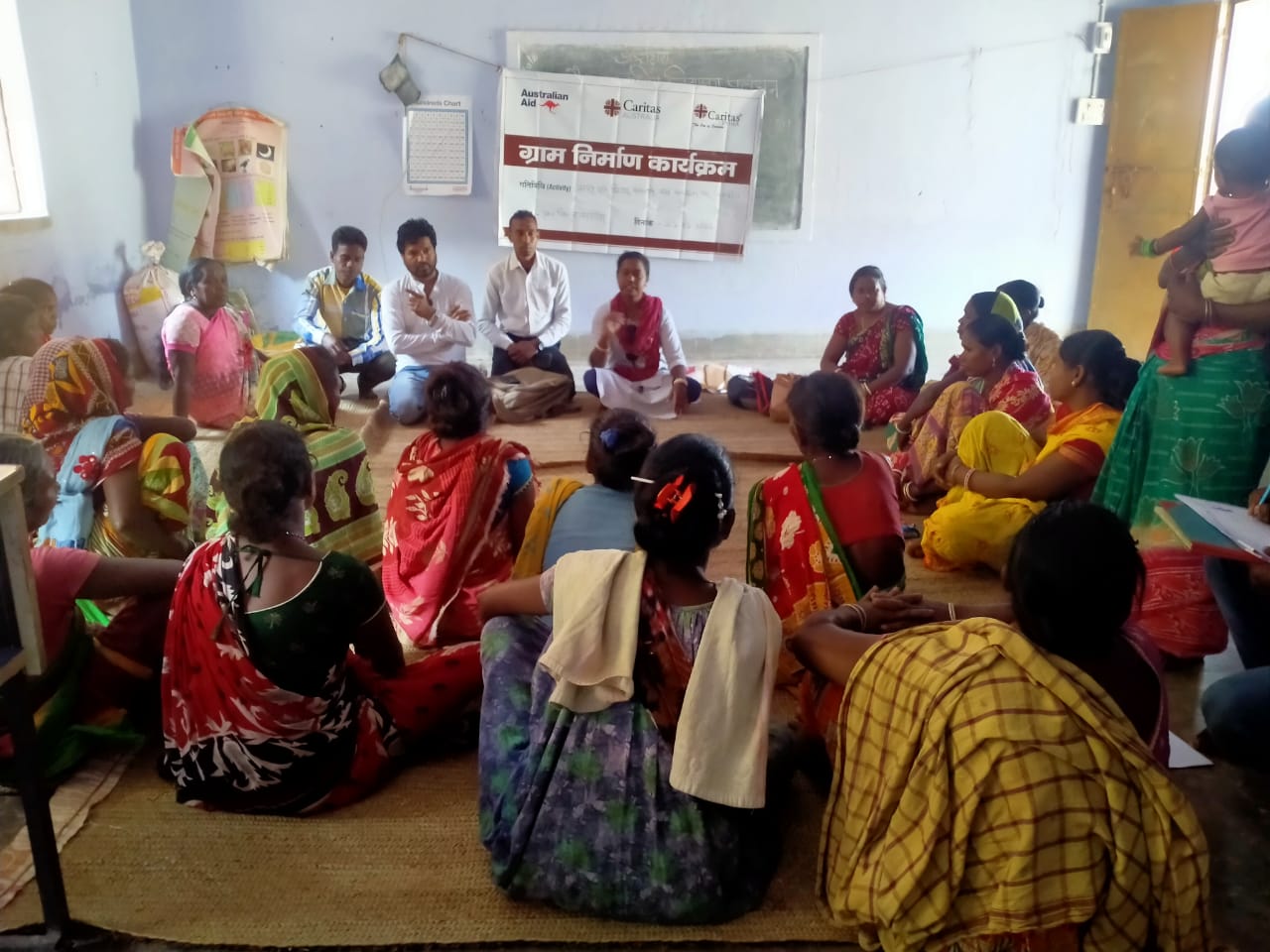
Under Gram Nirman programme, this training and capacity building has been imparted in all 165 intervention villages covering approximately 5000 rural women, pregnant and lactating mother. The main objective of the training is to raise awareness among household members, particularly women, about the importance of caring for children, lactating mothers, and pregnant women, as well as developing a kitchen garden in their backyard and continuing to grow vegetables so that they can obtain fresh vegetables and provide nutritious food for their families. Fresh and nutritious vegetables can improve the family’s health, particularly women and children. It will also reduce malnutrition among children. Women will be educated on the necessity of eating nutritious foods as part of this peer learning programme.
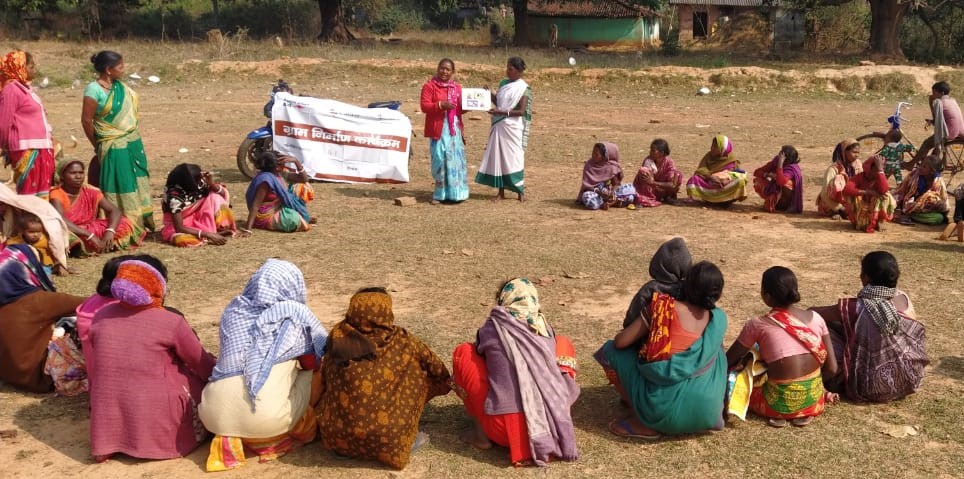
Other topics covered in the programme included the need for particular care prior to delivery, at least three check-ups prior to delivery, adequate rest during the day, adequate nutritious diet to minimise difficulties, timely vaccination, and proper hygiene, among others.
“Now I actually realised that my younger daughter needs more nutrition as she is growing now,” Guruwari Bodra of Dangbo village in Saraikela district Jharkhand said after receiving the training at her doorstep. Similarly, another participant from the same group, Sona Muni Soy, stated, “we were dependent on rice and lentils before training, but now we can easily grow vegetables in our backyard.”
“We all have joined hands together to use our common land and grow vegetables for the entire village,” said Shakuntala Soreng and Somwari Honhaga of Dumaria East Singhbhum.
Upcoming News
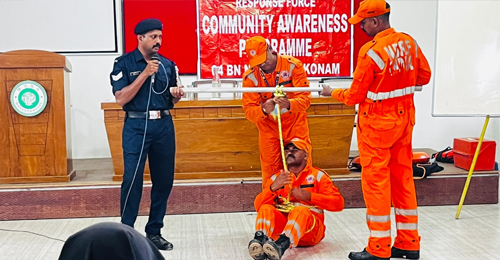
Ropes and Sacks Become Lifesaving Tools as NDRF Trains Wayanad’s First Responders
Long before an ambulance can reach a flooded village or a landslide hit hillside, it...
LEARN MORE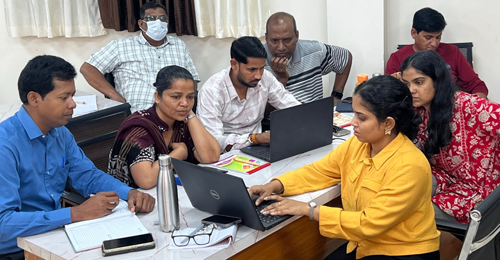
Caritas India Trains Partner Organisations in Evidence Based Project Proposal Writing
Some of the strongest community projects never get built, not for lack of need or...
LEARN MORE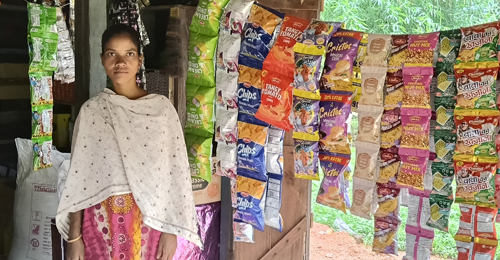
A Grocery Shop, a Mother’s Resolve, and Three Daughters Who Stayed in School
Three young girls in this remote village are attending school regularly today because their mother...
LEARN MORE 91 -11 - 23362735
  director@caritasindia.org


