
 91 -11 - 2336 3390
  director@caritasindia.org
 Backyard Aquatic Fern Is Slashing Farming Costs for Tribal Smallholders in Mandla
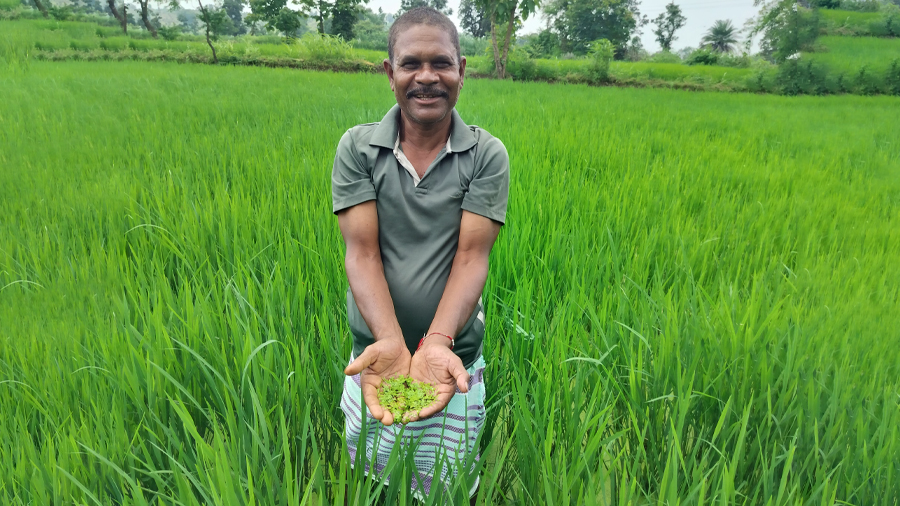
For tribal smallholders in Mandla, the soaring cost of chemical fertilizers and erratic weather have long made farming an uphill struggle. Today, a humble floating aquatic fern grown in shallow backyard pits is providing hundreds of families with a low-cost, homegrown answer to soil depletion and high input bills.
Through the Smallholder Adaptive Farming and Biodiversity Network (SAFBIN) project supported by Caritas India, farmers across the district are turning Azolla cultivation from an initial field experiment into a widespread agricultural practice. By producing their own organic bio-input and nutritious cattle feed, these households are cutting their dependence on expensive commercial products while building healthy, self-reliant farming systems.
The momentum is visible right across the landscape. Currently, 166 smallholders maintain active household Azolla units, while 187 farmers have applied the harvested green biomass across 139 acres of paddy fields.
For Parvati Maravi of Malimohgaon village, the shift began right outside her front door after attending a Farmer Field School session. She set up a small five by four foot pit lined with plastic sheeting, utilizing only local soil, cow dung, water, and a starter culture.
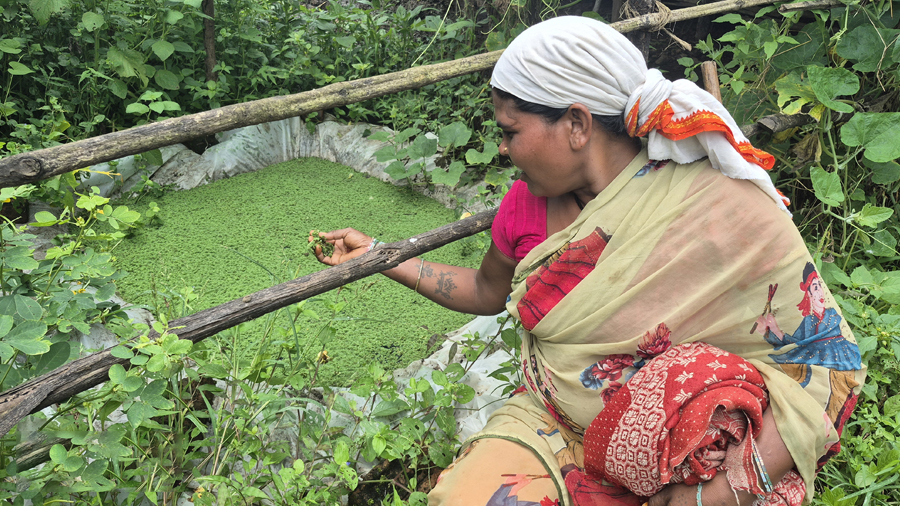
“I learned about Azolla during the Farmer Field School and decided to try it myself,” Parvati said. “I started cultivating it in a small five by four foot space at home and later used it in my paddy field. I observed that it helped reduce weed growth and retain moisture, and I felt that I could reduce the use of additional fertilizer. This encouraged me to continue and expand Azolla cultivation. I also want to share my learning with other farmers so they can try it in their own fields.”
A few kilometres away in Ahmadpur village, Ram Singh Tekam experienced a similar breakthrough after participating in training organized by his local Smallholder Farmers Collective.
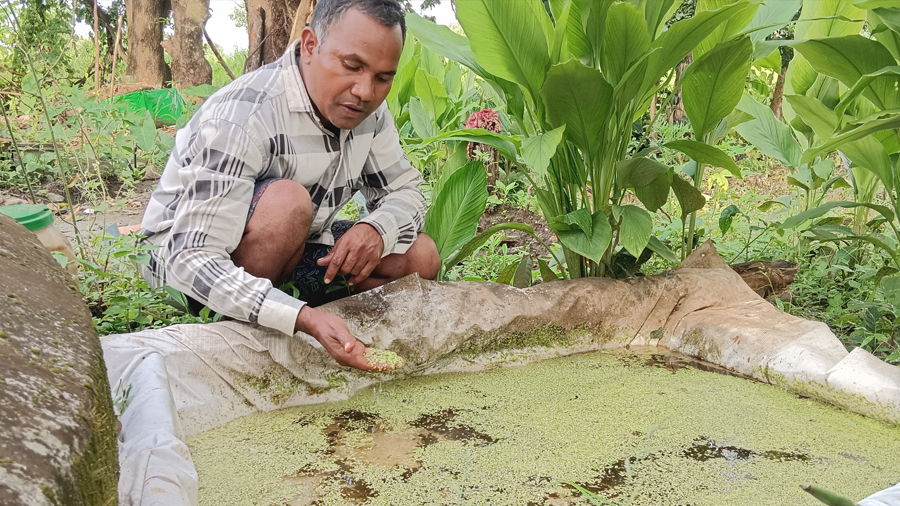
“Through the SAFBIN project, I learned about Azolla during collective meetings and training sessions,” Ram Singh explained. “With the guidance of the project team, I started cultivating it in a small five by six foot space and later applied it in my paddy field. I observed that it helped control weed growth and retain moisture. Seeing these results gave me confidence to continue. I now want to cultivate Azolla in larger quantities, explore its use in other crops and share my experience with other farmers in my village.”

The widespread adoption has not come without real operational hurdles. Farmers quickly discovered that maintaining productive cultivation pits requires careful, consistent management. Excessive summer heat and unseasonal downpours frequently disrupt water levels, demanding constant temperature checks and periodic nutrient additions to keep the culture healthy. Furthermore, fresh harvested Azolla has a very short shelf life and must be used immediately, creating a bottleneck for growers who want to produce larger volumes but lack methods for long-term storage and preservation. Growers are also still building experience around the exact quantities and timing required for different soil types and crops.
Rather than abandoning the practice when these obstacles emerge, farmers are actively resolving them through ongoing Farmer Field School sessions and direct field-level technical support. The regular gatherings serve as an open problem-solving space where growers compare notes, test solutions to extreme weather impacts, and fine-tune application rates alongside agricultural facilitators.
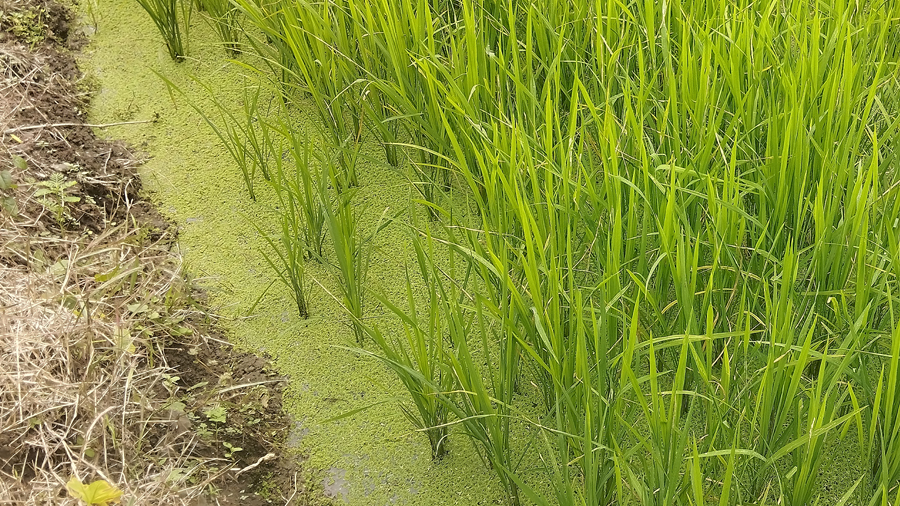
The agronomic appeal of Azolla lies in its practical simplicity and dual benefits. In flooded paddy fields, it fixes atmospheric nitrogen, adds valuable organic matter when incorporated into the earth, and forms a dense floating mat that prevents water evaporation and suppresses weeds. Back at the homestead, the harvested fern serves as a protein-rich supplementary feed for cattle and poultry, forging a functional link between crop cultivation and livestock care.
From modest backyard pits to thriving paddy acreage, the journey of Mandla’s tribal growers shows how practical, farmer-led learning can reshape rural livelihoods. By transforming an accessible aquatic plant into a community-wide asset, smallholders under the SAFBIN programme are proving that sustainable, resource-efficient agriculture begins with local knowledge and shared experience.
Upcoming News
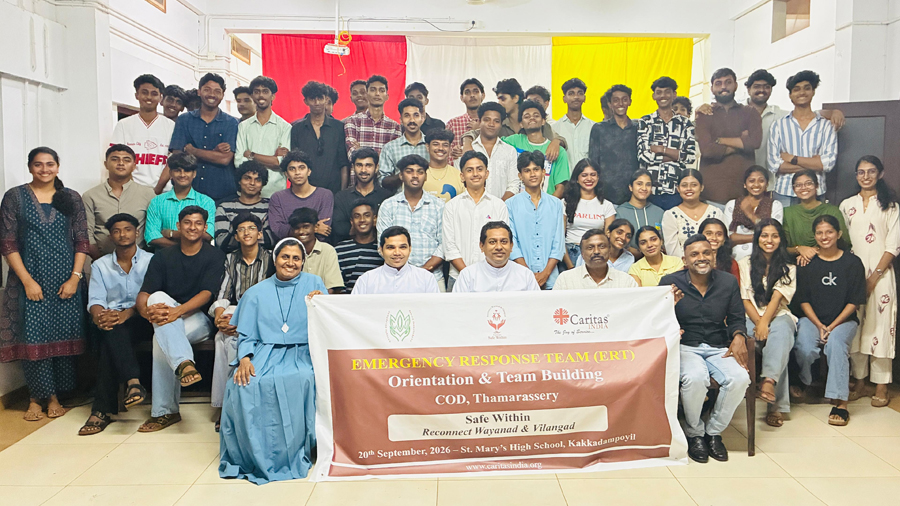
300 Kerala Youth Step Up as First Responders Across Wayanad and Kozhikode
Around 300 young men and women across Wayanad and Kozhikode have stepped into the front...
LEARN MORE
How Livestock Insurance Saved Tripura Farmers from Financial Ruin
For a struggling farmer, the sudden death of a single goat is not just bad...
LEARN MORE
Ropes and Sacks Become Lifesaving Tools as NDRF Trains Wayanad’s First Responders
Long before an ambulance can reach a flooded village or a landslide hit hillside, it...
LEARN MORE 91 -11 - 23362735
  director@caritasindia.org


