
 91 -11 - 2336 3390
  director@caritasindia.org
 Why indigenous seeds are important?
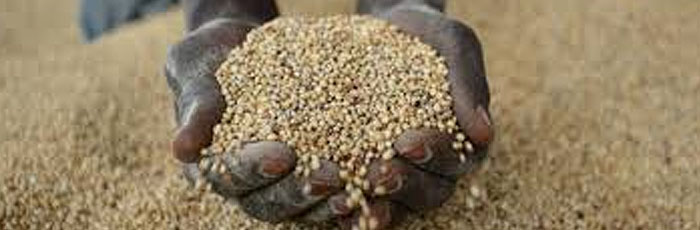
The seed is the very basis to life, food, agriculture, and farmers who have been breeding them through history. Farmers have been pushed out of seeds breeding and forced to become consumers of non-renewable, patented seeds sold by industries which are increasingly monopolizing the seed supply. These are the main reasons for which farmers have lost most of their precious traditional seeds.
Millet, which is called ‘Garua’ in Boro and ‘Kodai’ in Adivasi was one of the main staple foods for the farmers in the project areas of Chirang district. It has now become nearly extinct in the entire area. Some 30 years back the tribes in the region used to grow millets in the backyard for household consumption. It used to be a special item for breakfast as boiled food, steamed caked and fried food as well. However, as stated by some of the farmers it was not sold widely in the market as people used to grow mostly for their household consumption.
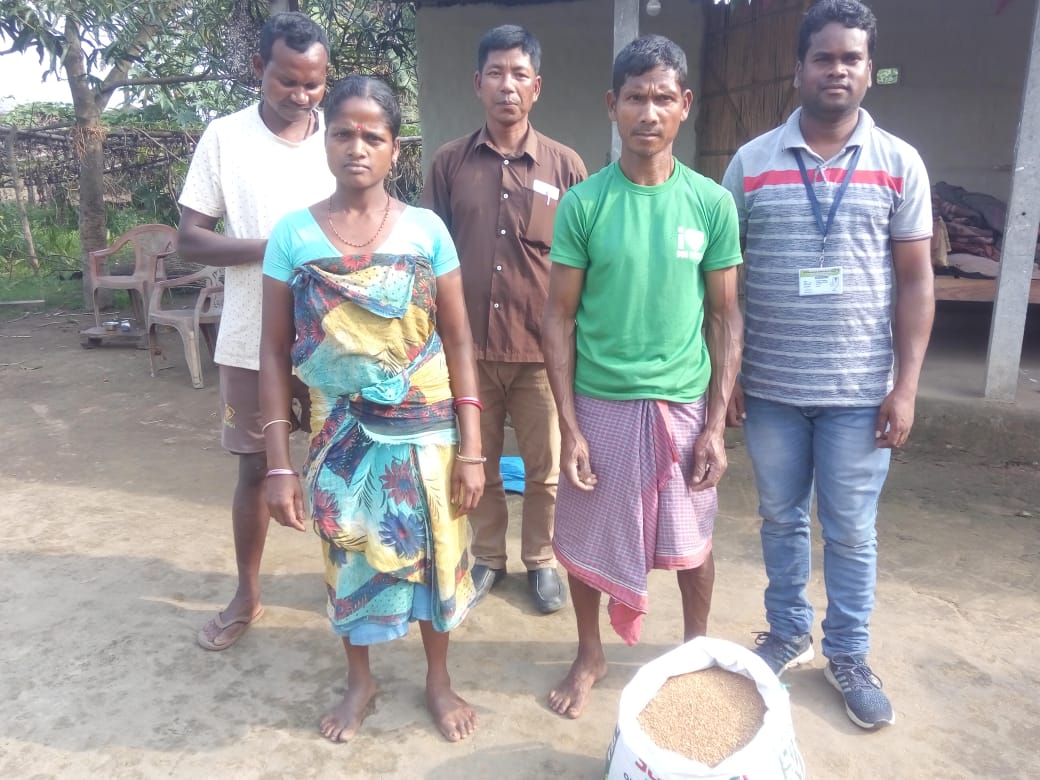
Mr. Noren Kujur, a very poor farmer from Salbari-Lungsung village under Titaguri block in Kokrajhar district of Assam is one of the only few farmers who have the seeds now in the area. He has been growing the same variety of millet which he took from his fellow farmer when he moved to another district. It is more than 15 years now since he has been growing the millet. He has been preserving the seeds with his own simple traditional method which keeps the seeds safe and intact from pests. As he is the lone cultivator in the village, he gets a good price for it. He sells it to other farmers for Rs. 60.00 per kg in the local market. His family makes different items from it. They take as boiled food, as fried food and by grinding it and making bread or chappati.
He also uses it as feed for pigeons and chickens. He says that his pigeons and chickens grow faster if fed on millets. Currently, he has more than 50 local chickens. He also said that most of the tribal buy his millets and make local beer from it.
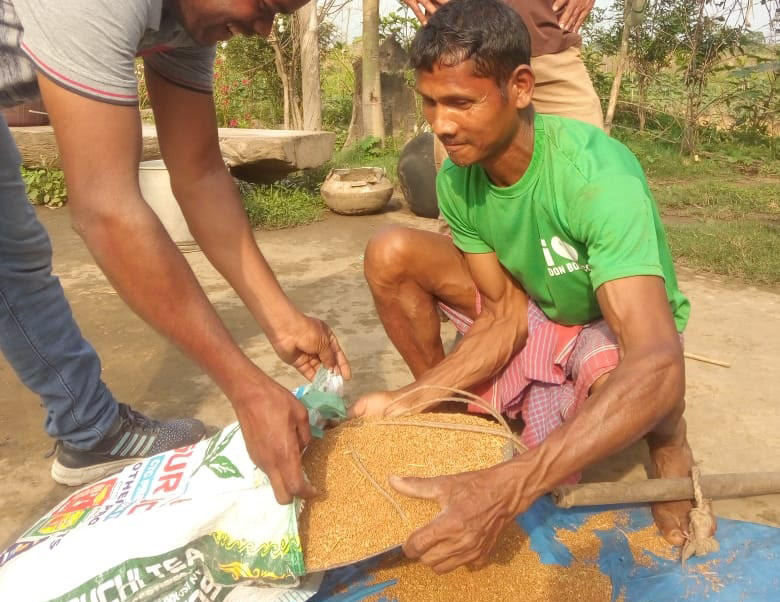
For growing, he follows paddy cultivation season starting from June to August and does sowing, transplanting and harvesting by November to December. The same method and process of paddy cultivation are followed for millets too. A portion of good seeds is preserved for growing in the next season. Seeds are being wrapped with cotton clothes and put in gunny bags and are kept above in a cool and dry place.
In the FARM Northeast project area, many farmers are ready to revive and promote millet cultivation. The farmers have given 15 kgs of millets to other farmers in the project area for promotion in the area. It is hopeful that many farmers will be again promoting millets at least for their household consumption.
Upcoming News
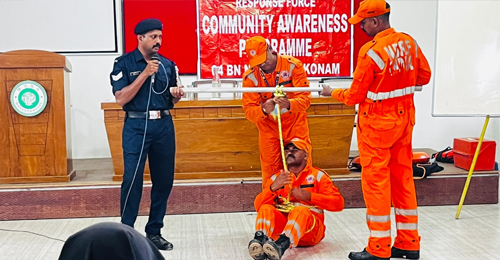
Ropes and Sacks Become Lifesaving Tools as NDRF Trains Wayanad’s First Responders
Long before an ambulance can reach a flooded village or a landslide hit hillside, it...
LEARN MORE
Caritas India Trains Partner Organisations in Evidence Based Project Proposal Writing
Some of the strongest community projects never get built, not for lack of need or...
LEARN MORE
A Grocery Shop, a Mother’s Resolve, and Three Daughters Who Stayed in School
Three young girls in this remote village are attending school regularly today because their mother...
LEARN MORE 91 -11 - 23362735
  director@caritasindia.org


