
 91 -11 - 2336 3390
  director@caritasindia.org
 Turning to Millets: Korku tribe reviving their traditional crop
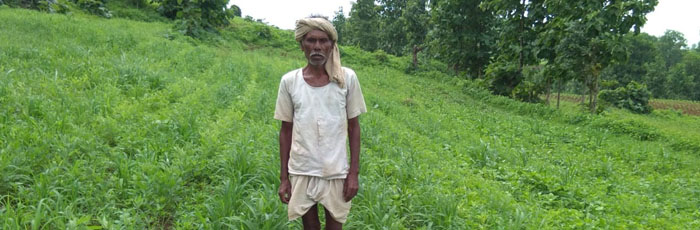
Korku tribe of Maharashtra and Madhya Pradesh had a nutrition disaster back in the 70s when they rapidly divorced their traditional crops and millets in favour of cash crops like soybean and wheat. But the disruption of the traditional food system worsens the health of indigenous populations and created acute malnutrition.
Elderly farmers remember that millet was once the staple food of the Korku tribes but was replaced due to the invasion of soybean & wheat in the last three to four decades. The adopted soybean as major Kharif crop never became a part of Korku food system and much of wheat was sold to pay debts or meet the monetary requirements.
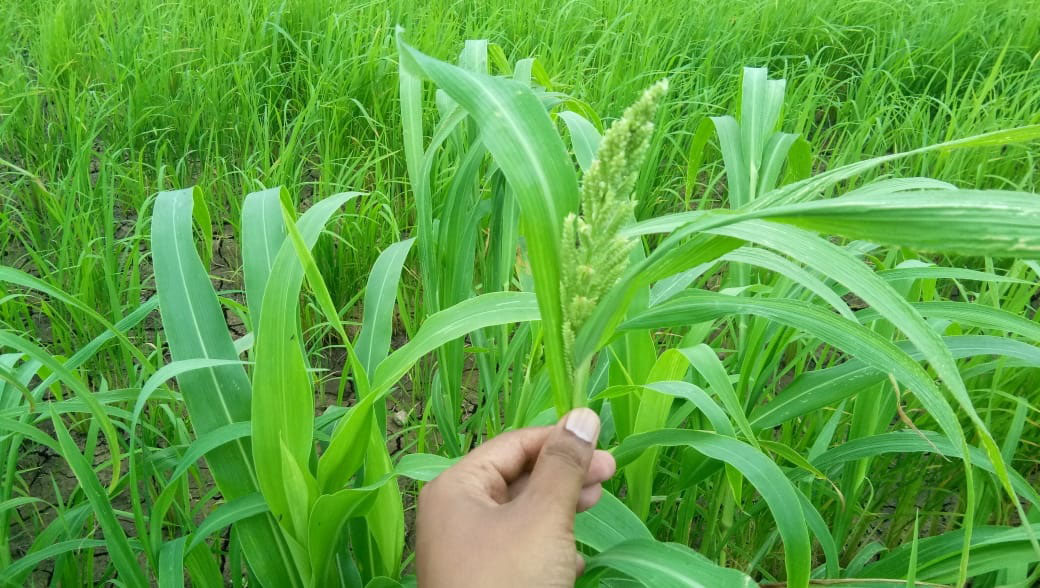
Caritas India through its SABAL programme focusing on the revival of traditional crops and millets among Korku tribe. Through a proactive process, perennial seeds were collected in 55 seed banks. Presently, more than 1896 Korku farmers in arid parts of Madhya Pradesh & Maharashtra have adapted to climate change by switching from water-intensive crops to various types of drought-resistant millets.
Last year, many farmers faced crop failures due to less rain and late monsoon leading to financial crisis and heavy debt. Compared to the average annual rainfall of 932mm in Khandwa; this year it was recorded the lowest of 508mm (source: Department of Agriculture-Khandwa).
Some inroads were made by SABAL programme in the areas and now whether there is rain or not, it doesn’t bother the Sabal Korku farmers as they have learned to fight against the vagaries of weather through millet cultivation.
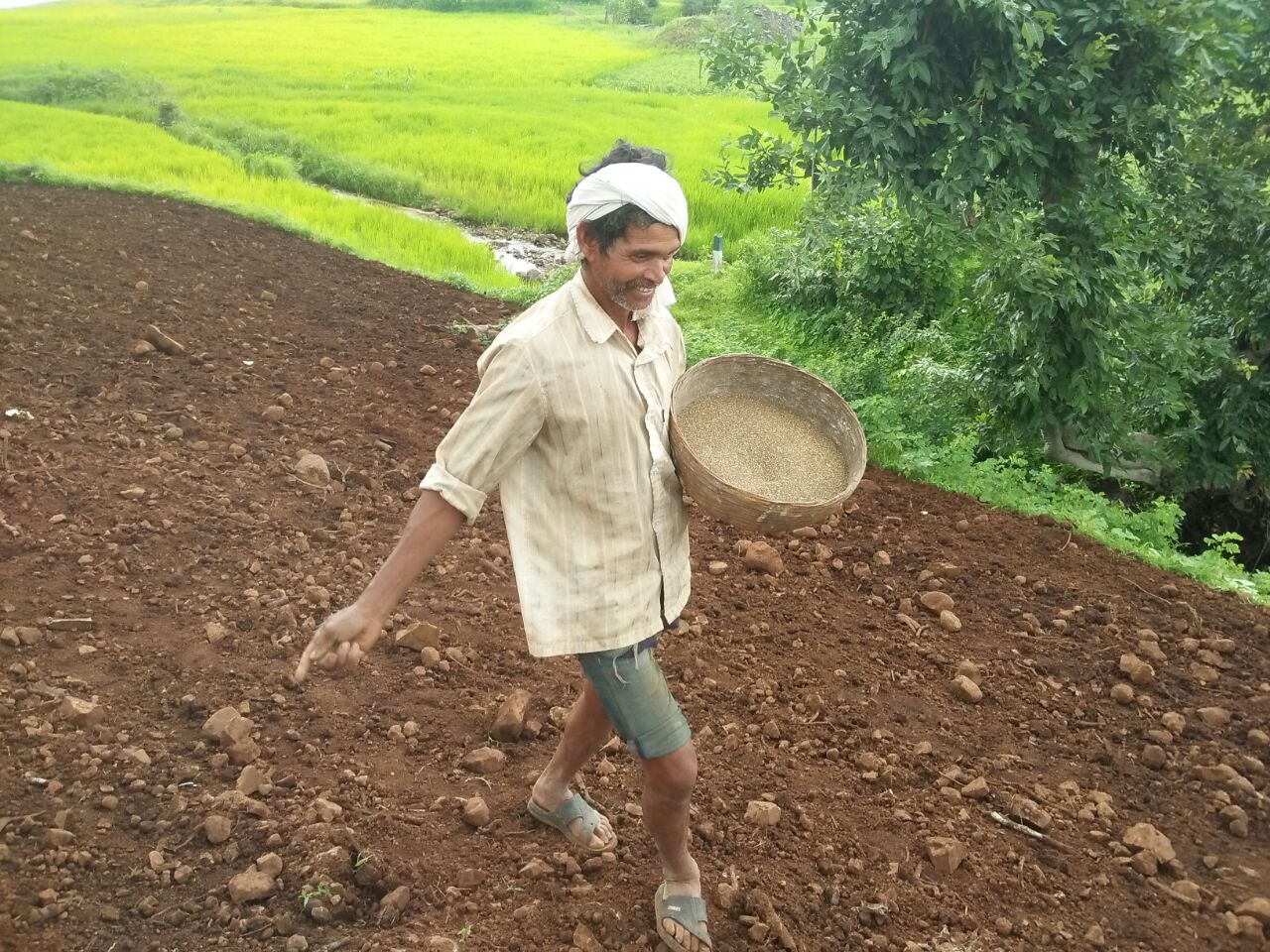
“We could not think beyond the irrigated crops like soybean, wheat & cotton, which left us at the mercy of either scanty rains or droughts”, says Samu Betekar, a Korku farmer. “Thanks to Sabal for motivating us and developing our confidence to revive the millet cultivation by supporting with indigenous seeds” he further added.
Farmers have also borrowed the seeds of Kutki, Sorghum and Indian barnyard millet with a commitment to return one-fourth of the quantity after the harvest.
SABAL has helped to intensify the farmer’s interest in millet cultivation which has proved to be a great success in the second year of the programme duration as the farmers have started realizing the benefits of millet as it requires low inputs in terms of fertilizers and water, unlike other staples like wheat and rice. Moreover, millets show promises of parasite resistance which has freed the farmers from the purchase of the high priced chemical pesticides and insecticides. This has not only increased their food and nutritional security but also brought the self-reliance.
Such successes are relatively less but the need is to replicate them to other smallholder farmers to fight hunger and malnutrition.
Upcoming News
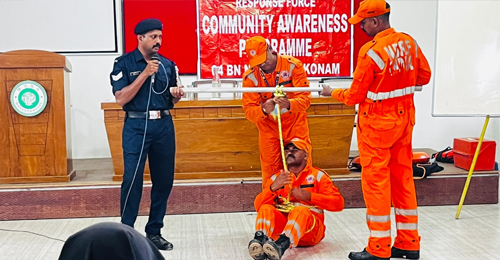
Ropes and Sacks Become Lifesaving Tools as NDRF Trains Wayanad’s First Responders
Long before an ambulance can reach a flooded village or a landslide hit hillside, it...
LEARN MORE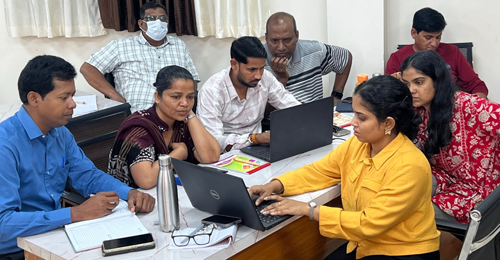
Caritas India Trains Partner Organisations in Evidence Based Project Proposal Writing
Some of the strongest community projects never get built, not for lack of need or...
LEARN MORE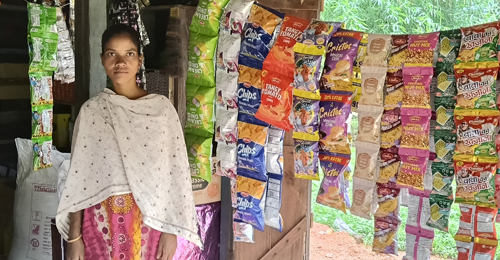
A Grocery Shop, a Mother’s Resolve, and Three Daughters Who Stayed in School
Three young girls in this remote village are attending school regularly today because their mother...
LEARN MORE 91 -11 - 23362735
  director@caritasindia.org


