
 91 -11 - 2336 3390
  director@caritasindia.org
 Students as DRR change agent
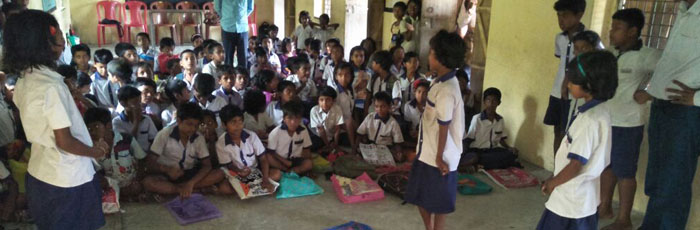
India, according to a report published in October (Maple Croft, UK 2010), is the country which is second most vulnerable to climate change, only after Bangladesh. Almost the whole of India has a high or extreme degree of sensitivity to climate change, due to acute population pressure and a consequential strain on natural resources and increased incidence of natural disasters. The Indian Sundarban, a coastal, underdeveloped area, is one of the most visible victims of the ravages of climate change in India. The fragility of the ecosystem coupled with under development has made this region particularly vulnerable.
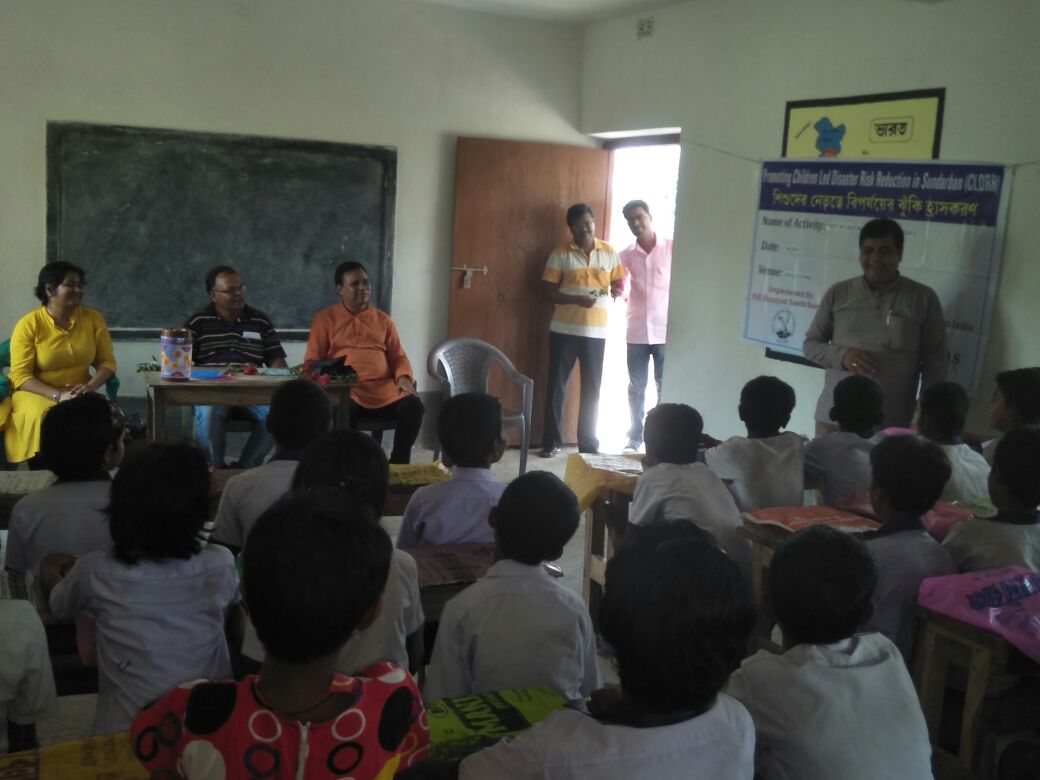
Aiming to build resilience in children and communities and reducing their vulnerability to disasters, Caritas India with her local partner, Palli Unnayan Samiti in Baruipur, West Bengal initiated ‘Promoting Child Led Disaster Risk Reduction (CLDRR)’ in 2017. The concept of CLDRR is firmly rooted in the belief that if supported and facilitated by the duty bearers, children can lead the actions to make themselves, their families, communities, and neighborhoods informed and prepared to manage the difficult situation come out of disaster.
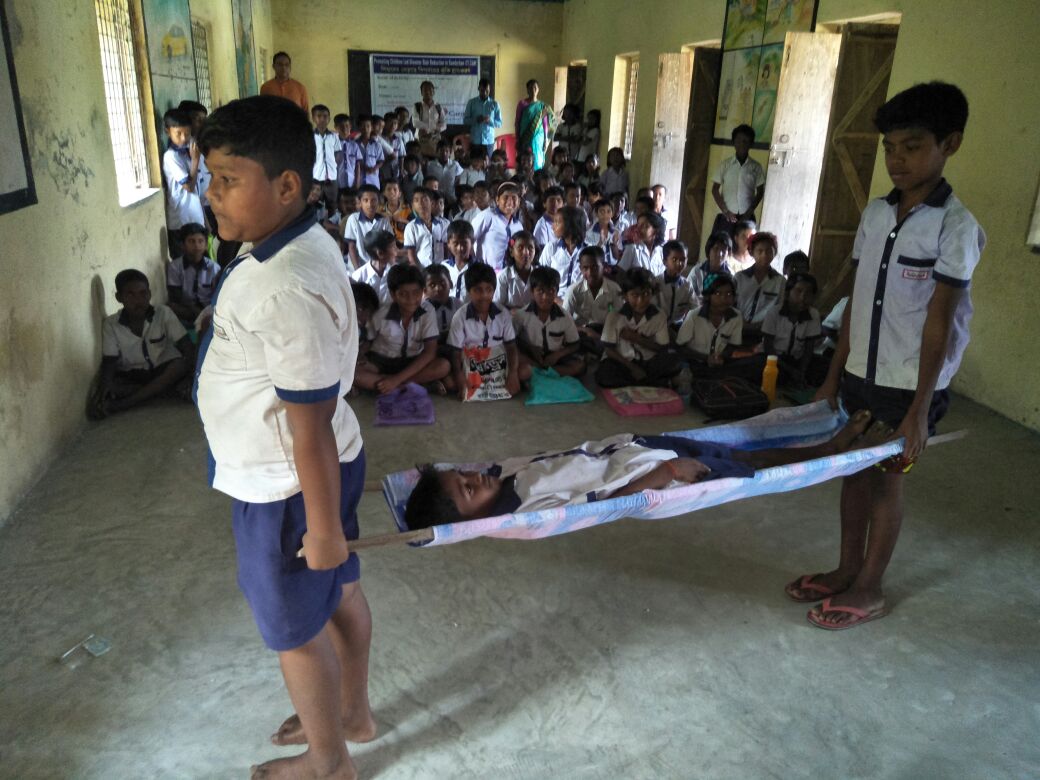
Rupam Medha reading in class four at Pathankhali F. P School of Gosaba block, became a change agent, as he taught his parents, friends, and neighbors on how to prepare a stretcher with very minimum household equipments to carry patients during an emergency.
Subhra Mondal, of class 3, shared about preparing ORS.
Likewise, 260 child volunteers are carrying the DRR information to their parents and peers from school to communities. They shared how their parents had started keeping the important documents safely packed to prevent the loss.
This indeed has instilled confidence in the children.
Now the young changemakers speak on do’s and don’ts and safety measures during the cyclone, flood, and lightning to which Sundarbans and their schools and villages are vulnerable to. This has been possible with the support they received from the headmaster and teachers, and entire education authority at different levels, in additions to their parents.
Caritas India is planning to train more students volunteers, who will educate not only peers but parents and community and be the messengers of DRR.
Upcoming News
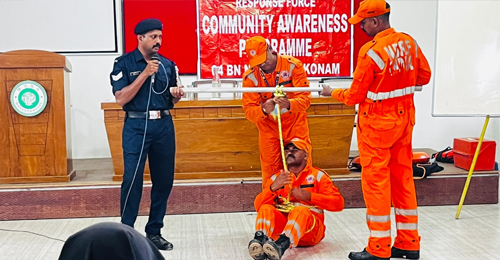
Ropes and Sacks Become Lifesaving Tools as NDRF Trains Wayanad’s First Responders
Long before an ambulance can reach a flooded village or a landslide hit hillside, it...
LEARN MORE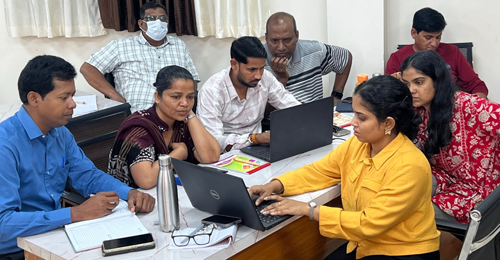
Caritas India Trains Partner Organisations in Evidence Based Project Proposal Writing
Some of the strongest community projects never get built, not for lack of need or...
LEARN MORE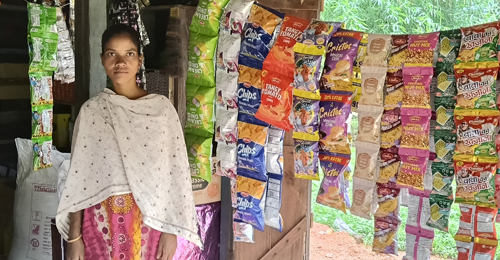
A Grocery Shop, a Mother’s Resolve, and Three Daughters Who Stayed in School
Three young girls in this remote village are attending school regularly today because their mother...
LEARN MORE 91 -11 - 23362735
  director@caritasindia.org


