
 91 -11 - 2336 3390
  director@caritasindia.org
 Why localization is important for food sovereignty
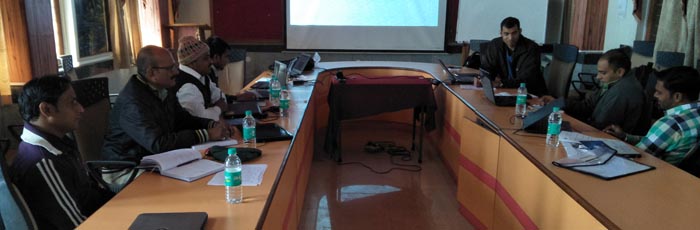
With climate change, rainfalls turned irregular and drought has become a common phenomenon especially in rural corners of Madhya Pradesh. The effect of last twenty-year drought has been manifested in terms of malnutrition, farmer’s suicides and high rate of distress migration in the State.
Caritas India came forward with Saksham programme to build the climate change resilience of smallholder tribal communities to address their socio-economic and agricultural issues.
Supported by Misereor, an organization of German Catholic Bishops’ Organisation for Development Cooperation aims to achieve enhanced food and nutrition security, diversified livelihood for smallholder farmers, rights realization and promotion of adaptive agriculture.
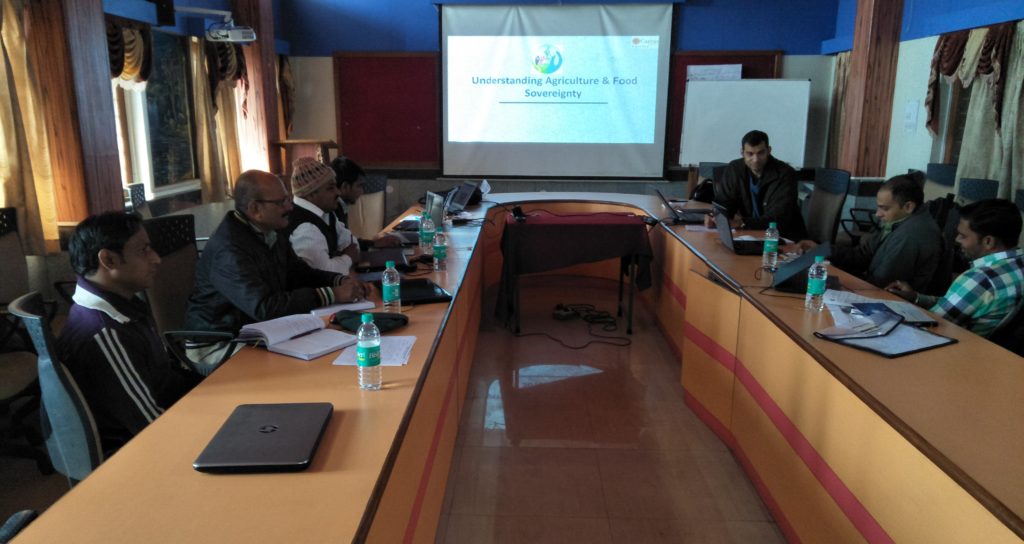
To address the agriculture and food sovereignty issue, a two-day training programme was organized by Caritas India on January 4-5, 2018 at Bhopal for project coordinators of SAKSHAM from all over Madhya Pradesh.
Elaborating the definition of Food Sovereignty, Dr. Saju M.K., Manager, West Zone and chief facilitator said that Agriculture or Food, Fertilizer & Pesticides, Seeds, Nutrients, Technology & Human Resources (Labour Pooling) and Market are to be localized in Food Sovereignty.
Recognition and promotion of people’s knowledge and wisdom on agriculture and food are imperative to conserve, develop and manage localized agriculture systems which are best-suited to small and marginal farming. It is a shift from ‘training’ to ‘exchange’ among farming communities.
Dr. Saju said, to help farmers, localize and regain control over agriculture, we need to have seed sovereignty and popularization of local seed varieties that are hardy and more suitable to local agro-climatic conditions. He also insisted to have indigenized pest management systems and localize nutrient management systems that are affordable and locally mobilized to achieve the goal of food sovereignty.
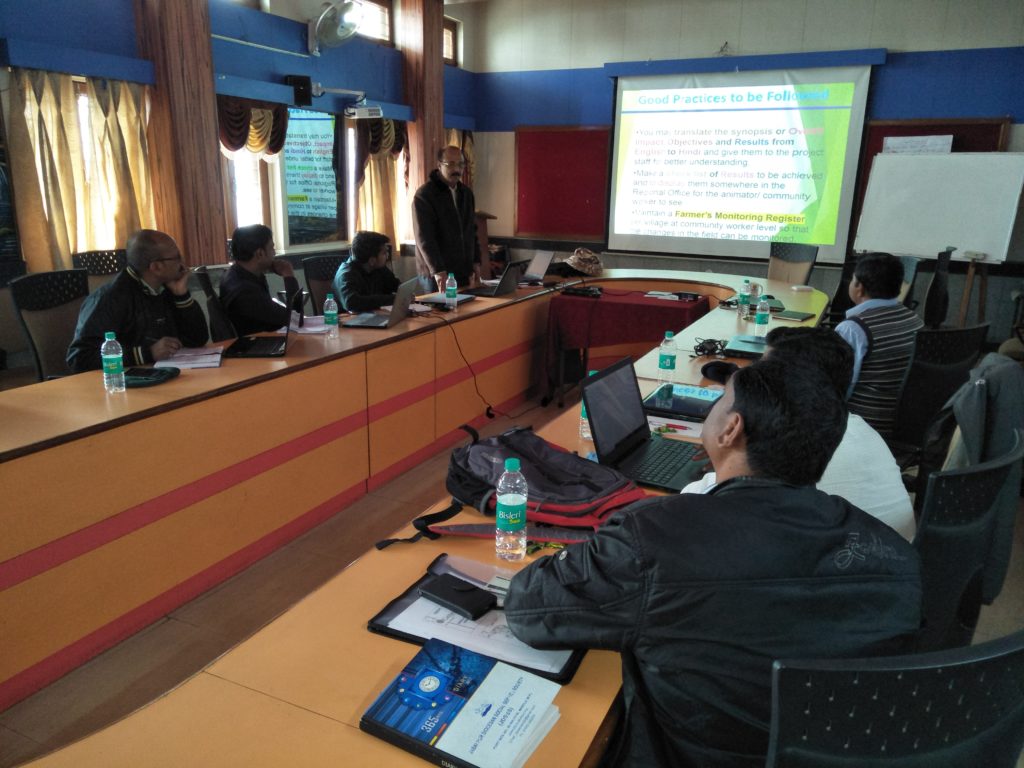
Emphasizing the importance of ‘Project Management’, Mr. K.A. Sebastian, State Officer, Madhya Pradesh said emerging good practices are to be replicated and each component of Project Cycle Management is to be meticulously taken care.
Project coordinators from all the partner organizations which include ANWC Bhopal, IDSSS Indore, JDSSS Jabalpur, KSWS Ujjain, GCSS Gwalior, PRAGATI Jhabua and MVSS Sagar participated in the workshop.
Upcoming News
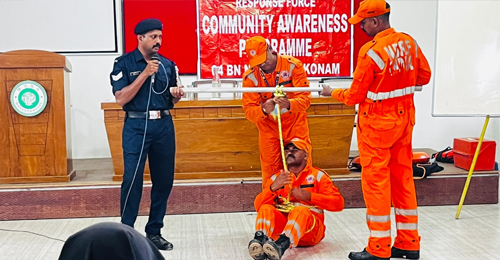
Ropes and Sacks Become Lifesaving Tools as NDRF Trains Wayanad’s First Responders
Long before an ambulance can reach a flooded village or a landslide hit hillside, it...
LEARN MORE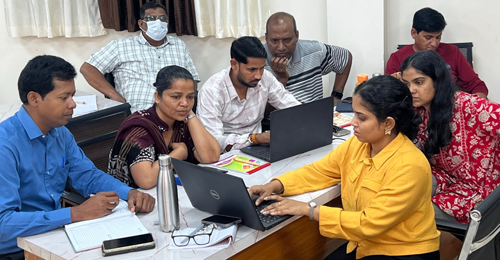
Caritas India Trains Partner Organisations in Evidence Based Project Proposal Writing
Some of the strongest community projects never get built, not for lack of need or...
LEARN MORE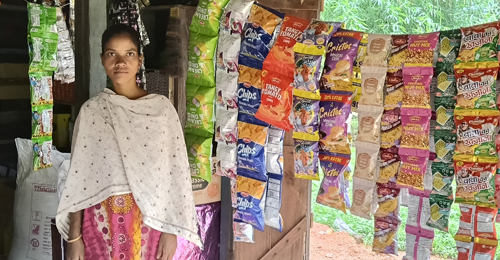
A Grocery Shop, a Mother’s Resolve, and Three Daughters Who Stayed in School
Three young girls in this remote village are attending school regularly today because their mother...
LEARN MORE 91 -11 - 23362735
  director@caritasindia.org


