
 91 -11 - 2336 3390
  director@caritasindia.org
 Modern Day Slavery Explained To Partners
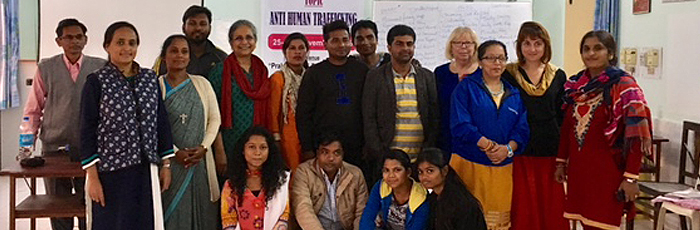
Documents are the sword to fight against perpetrators to protect oneself, according to the human rights activist, Co-founder and Director of Prerana, Priti Patkar.
She was taking session on Child protection and documentation during the four days capacity building workshop of Lucknow, Gorakhpur, Baharaich and Caritas Nepal partners at Lucknow from November 25-28, 2016.
She insisted not to fight if one do not have documented the case. She focused on the importance of keeping a record and building cases with authentic database. Concepts like zero FIR, missing children, trafficked child, protection, aggravated offence, non-negotiable, bonded labour and child labour were made clear by her during the session.
The workshop focused on the concept of Human Trafficking, its root causes, repatriation, rehabilitation, restoration, case management, child protection, reporting and documentation.
“Human trafficking is one of the fast growing crime in the world” said Mr. Sanjay Rai, Director and Managing Trustee of Aim trust working at the borders of Uttar Pradesh and Nepal to prevent trafficking.
Mr. Abhishekh Joseph and Ms. Blessy from International Justice Mission also explained Advanced/ Social obligation of bonded labours, their below minimum wages, restricted freedom of movement, employment and even on selling their own goods.
Adv. Varun from Justice Venture International explained the steps involved in rehabilitation of trafficked people.
Mr. Javed Ansari, State Coordinator, U.P. Police, Mahila Samman Prakosth, shared the initiatives taken for Strengthening of Anti-Human Trafficking Units (AHTUs) in the districts of Uttar Pradesh. He recommended that partners should work in close collaboration with police and concerned government departments.
Mr. Ansari informed that Human Trafficking is punishable in U.P. under U.P. Control of Goondas Act, 1970 and Uttar Pradesh Gangsters and Anti-Social Activities (Prevention) Act, 1986.
The session was very informative as it explained the central and state government’s existing schemes for rehabilitation and prevention.
Upcoming News
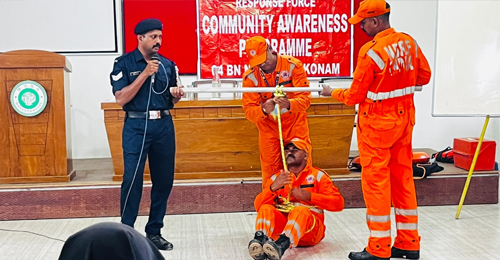
Ropes and Sacks Become Lifesaving Tools as NDRF Trains Wayanad’s First Responders
Long before an ambulance can reach a flooded village or a landslide hit hillside, it...
LEARN MORE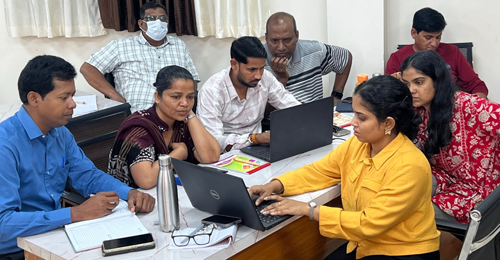
Caritas India Trains Partner Organisations in Evidence Based Project Proposal Writing
Some of the strongest community projects never get built, not for lack of need or...
LEARN MORE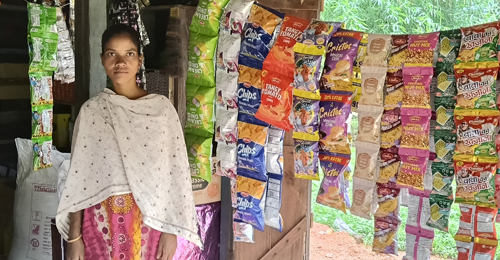
A Grocery Shop, a Mother’s Resolve, and Three Daughters Who Stayed in School
Three young girls in this remote village are attending school regularly today because their mother...
LEARN MORE 91 -11 - 23362735
  director@caritasindia.org


