
 91 -11 - 2336 3390
  director@caritasindia.org
 “A way that changed my perception towards agriculture”: Raju Patel
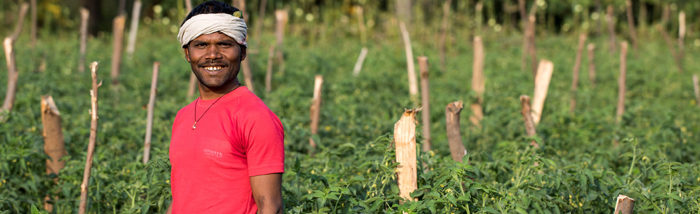
It is widely accepted that the poorest are excessively vulnerable to climate change and the least capacity to adapt. There is an urgent need for effective means to enhance the adaptive capacity of agricultural communities which is defined as the ability of a system (human or natural) to adjust (including climate variability and extremes) to moderate potential damages, to take advantage of opportunities and to cope with the consequences.
Raju Patel is a smallholder farmer of Hanumantora village from Sagar, Madhya Pradesh. For more than a decade, agriculture was the mainstay of Raju, owning 2 acres of land. He used to take loans from money lenders to meet the input costs but many times, he failed to refund the same. Looking at his huge investment in agriculture, he realised that farming is no more a profitable model. He was not able to meet the food requirements of the family for more than 6 months.
Raju was one among many other farmers to become a member of Smallholder farmers collectives (SHFC) in his village. It was a difficult time for him to reflect & decide because agriculture (based on his previous experience) has become a more lucrative livelihood option than a life-sustaining option. But when he learned about the farmers led on-farm adaptive process and the benefits of low-cost and localised solutions (i.e. organic practices, preparation of botanicals – vermi compost, azolla, neemastra etc, bio-pest repellents, biological measures – plantation of marigold plants on the boarder) his perception changed.
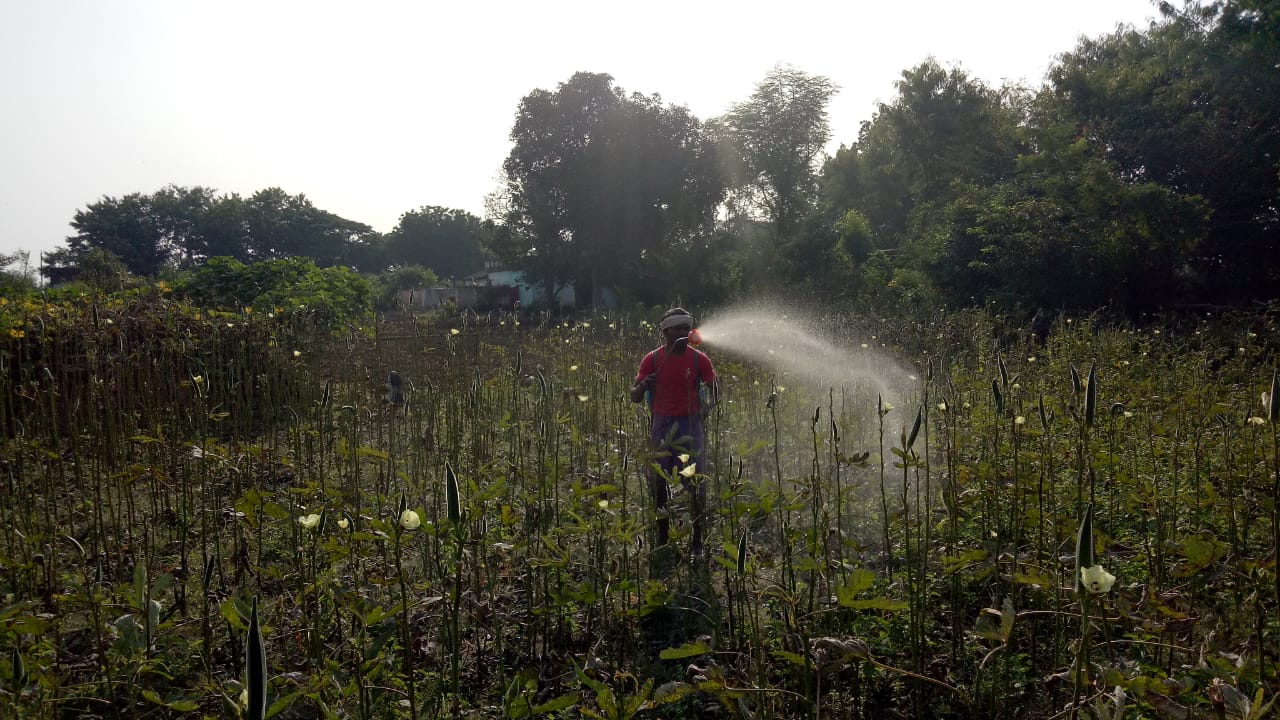
With the help of SAFBIN program initiatives, he is having two crops in a year (i.e. Wheat and Black gram) whereas, cultivating more than 16 to 18 varieties of vegetables round the year. Apart from their consumption, a minimum income of INR 24000/- to INR 25000/- per month in a season and he is getting almost INR 200,000/- annually by selling his farm produces.
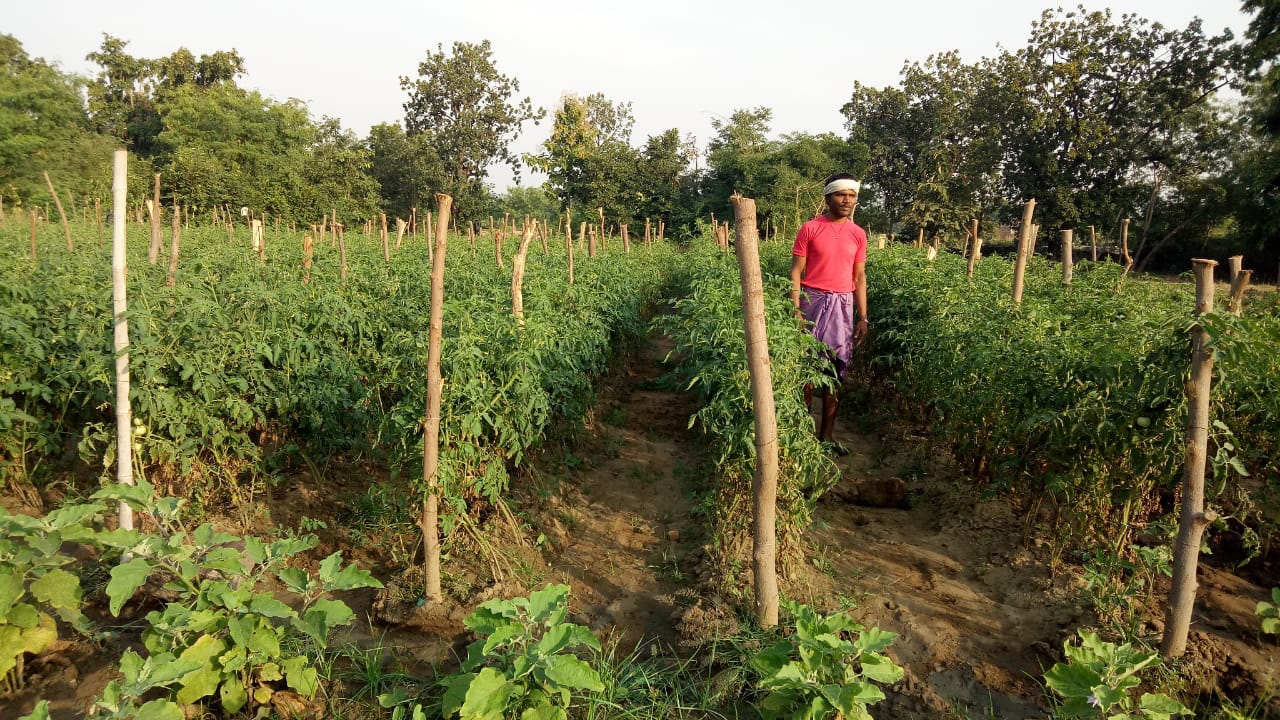
I felt so glad to share my knowledge and experiences with others and would continue to share my learnings. The best part of this initiative is to make myself self-sufficient and leading a life with dignity. SAFBIN helped me a way that changed my perception towards agriculture (i.e. sufficiency and profitable) while adapting and coping with changing climatic conditions through localised solutions and practices.
Upcoming News
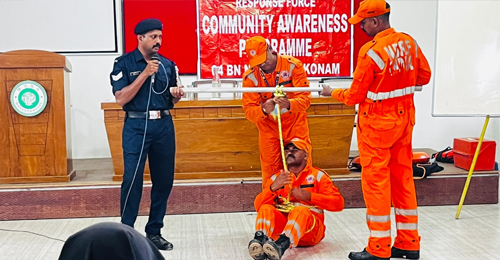
Ropes and Sacks Become Lifesaving Tools as NDRF Trains Wayanad’s First Responders
Long before an ambulance can reach a flooded village or a landslide hit hillside, it...
LEARN MORE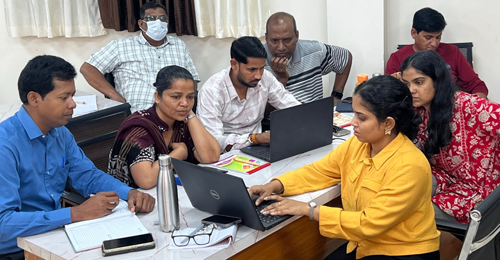
Caritas India Trains Partner Organisations in Evidence Based Project Proposal Writing
Some of the strongest community projects never get built, not for lack of need or...
LEARN MORE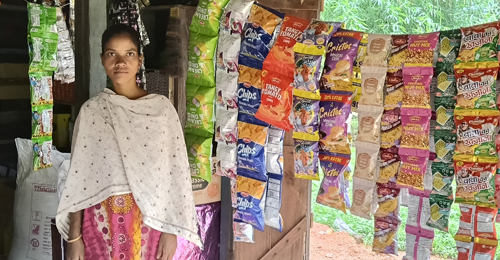
A Grocery Shop, a Mother’s Resolve, and Three Daughters Who Stayed in School
Three young girls in this remote village are attending school regularly today because their mother...
LEARN MORE 91 -11 - 23362735
  director@caritasindia.org


