
 91 -11 - 2336 3390
  director@caritasindia.org
 Agro-based Value Chain: A Game Changer for Smallholder
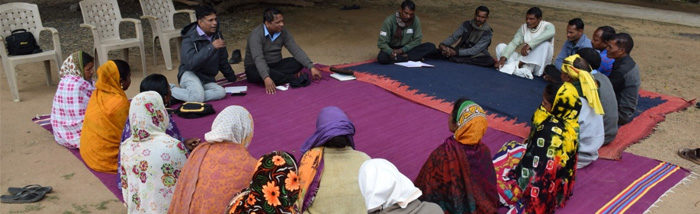
Growth and development of agricultural value chains for local and external markets can be considered as a powerful tool for poverty reduction and to fight against the challenge of food security. This particularly makes a strong case where smallholder farmers can produce agricultural products that have higher potential for value addition as compared to conventional crops and if access is made available to processing, marketing, and distribution, which could enhance the value of the final products.
Smallholder Farming and Biodiversity Network (SAFBIN) promoting smallholder led the integrated farming systems to ensure sustainable production and consumption of traditional produces to ensure a better tomorrow for not only consumers but also a healthy future for smallholder farmers through incentives in return. This would significantly help smallholder farmers to revive their local traditional foods by re-establishing a connection between producers and consumers at the local and regional levels.
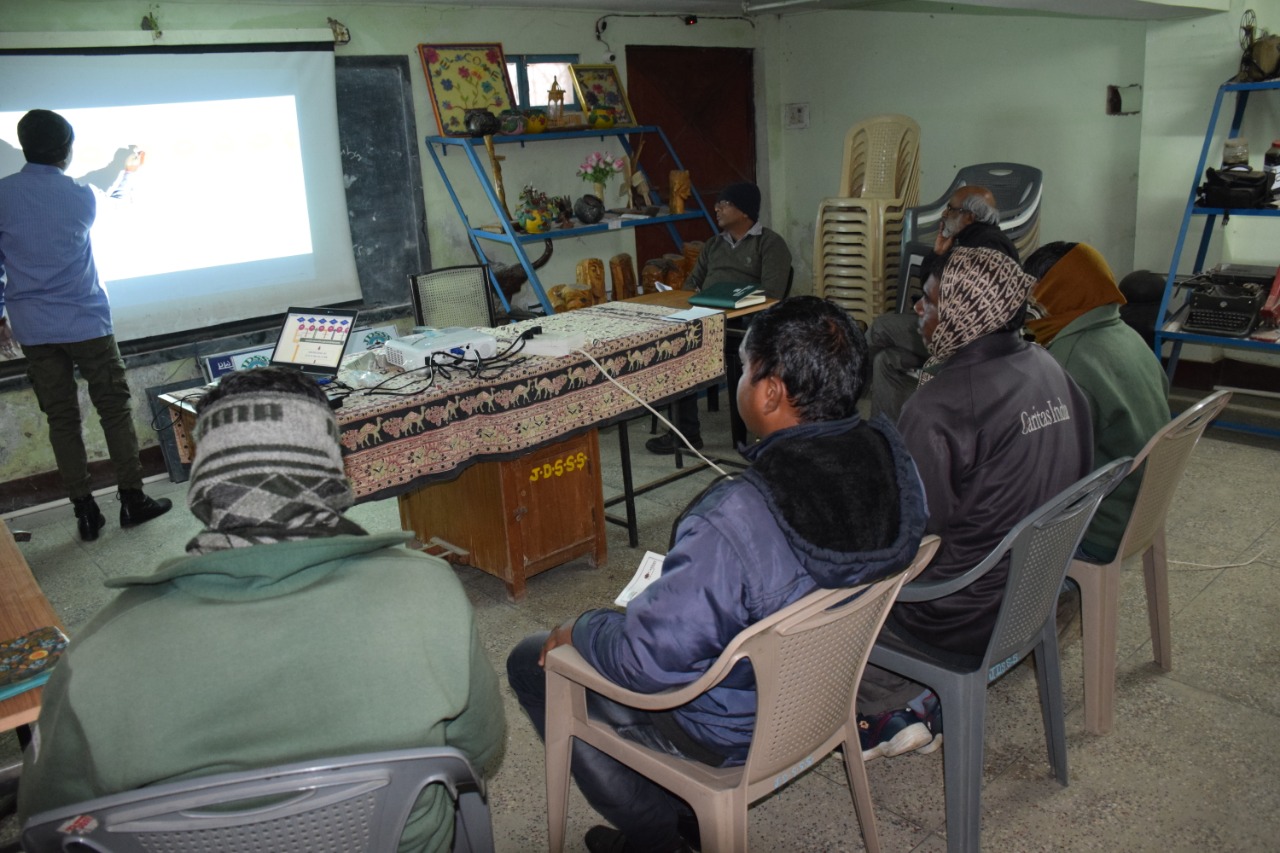
Value chain is a key framework on how smallholders can identify potential local products for value addition and marketing by reviving a producer customer relationship at the local level. The value chain perspective provides an important means to understand mechanisms for increasing efficiency and ways to enable businesses to increase the productivity of the commodity. Value chains include a wide range of activities includes: input supply, farmer organization, farm production, post-harvest handling, processing at the local level, storage, transport, finance, and feedback from markets.
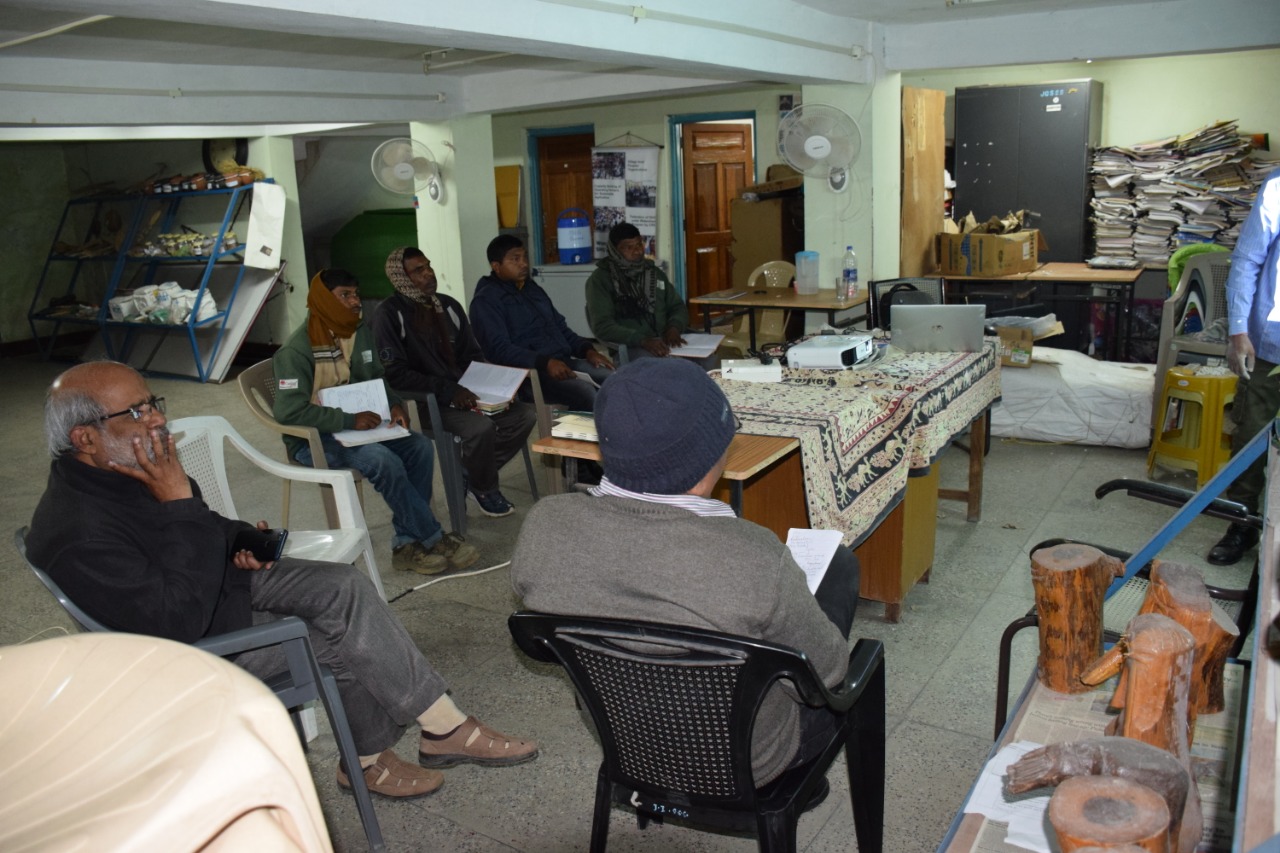
Keeping eyes on the above, Caritas India holds a two days training session on smallholder led value chain development programme at Jabalpur Diocesan Social Service Societies (JDSSS), Mandla. These two days programme was rollout the SAFBIN form of Smallholder led value chain development.
The orientation offered intensive training that covered the fundamental concepts and tools on;
- The identification process of potential products. Participants learned how to map distress selling of different products produced by smallholders, identification of commercial NTFP species (ICoNS) and identification of commercial crop spices (ICoCS) for the market.
- Formation of Farmer Producer Organisation (FPO) and collectivisation
- Identification and formation of Urban Middle-Class Consumer Group (UMCC)
- Three tiers community-centric Socio-economic business model
The outcome of the two days orientation was to form a group of approx 2000 smallholders across SAFBIN programme area and identify;
- Quality with ethnic flavour food at the local level.
- Highly nutritious food with no chemical residue.
- Direct farmer to plate concept.
- Competitive price with fast delivery.
Upcoming News
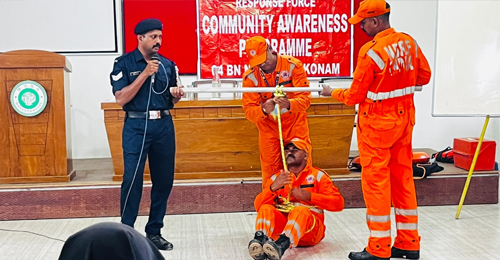
Ropes and Sacks Become Lifesaving Tools as NDRF Trains Wayanad’s First Responders
Long before an ambulance can reach a flooded village or a landslide hit hillside, it...
LEARN MORE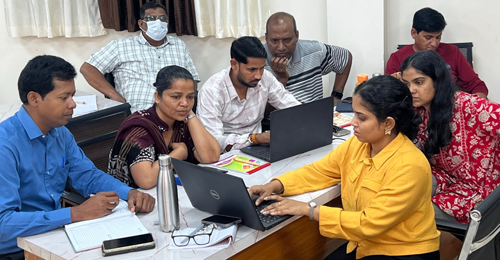
Caritas India Trains Partner Organisations in Evidence Based Project Proposal Writing
Some of the strongest community projects never get built, not for lack of need or...
LEARN MORE
A Grocery Shop, a Mother’s Resolve, and Three Daughters Who Stayed in School
Three young girls in this remote village are attending school regularly today because their mother...
LEARN MORE 91 -11 - 23362735
  director@caritasindia.org


