
 91 -11 - 2336 3390
  director@caritasindia.org
 Farmers from Madhya Pradesh exposed to Sustainable Agriculture Practices
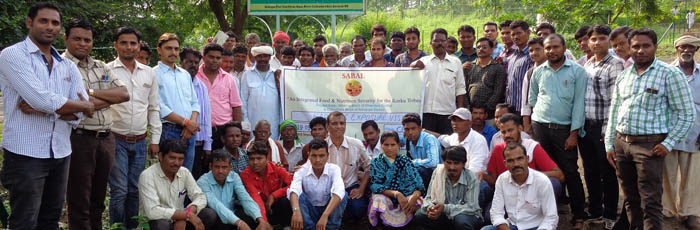
Located in the central part of India in Maharashtra, Centre for Environmental Studies in Social Sector (CESSS) is doing some commendable work in restoring the ecological balance in the region. With adequate technical knowledge and hands on experience in environment restoration programmes, the centre established by Caritas India is working with facilitators, farmers, social and environmental activists and other individuals and groups to create replicable models in Sustainable Agriculture Regeneration Measures to assist the farming communities in their socio-economic empowerment processes.
36 farmers from SABAL programme of Caritas India got the opportunity to have an exposure at CESSS to learn the good and sustainable agricultural practices implemented by the centre. Mukund Deshmukh, Social Development Officer, CESSS briefly explained about the importance of sustainable agriculture practice and different soil & water conservation structures.
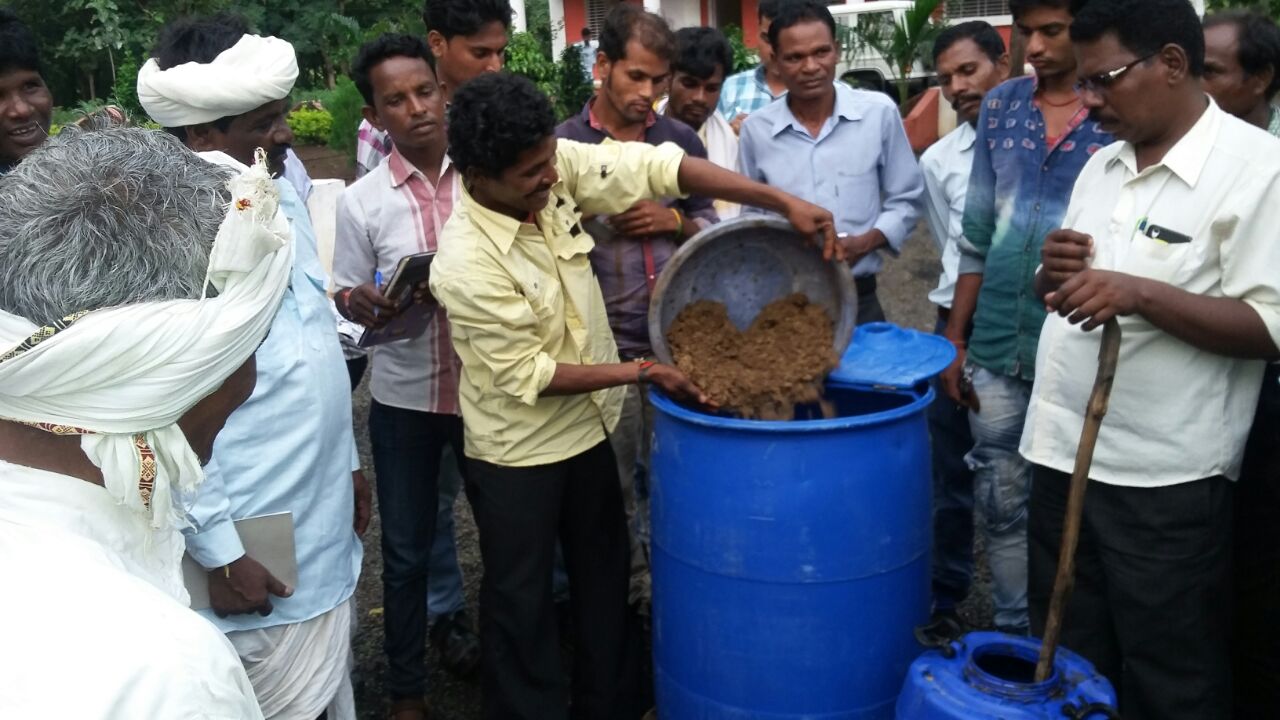
Mukund Deshmukh explained the importance and techniques of Integrated Nutrition Management (INM) & Integrated Pest Management (IPM) with the farmers. Sakharam Jahamarker from CESSS demonstrated the preparation of various INM & IPM techniques like Vermi Compost, Vermi Wash, Bijaamrut, Jeevaamrut, Bijprakriya, Fish Tonic, Tashparni, Lamit, Urea preparation & soil testing. Further, techniques and practice methods were witness by the farmers in the field.
Farmers were exposed to the Sustainable Agriculture Practice (SAP) trial plots of CESSS where Farmers Field School (FFS) members practicing organic farming. Sukhlal Labu Jamkar, a Korku farmer and member of farmers’ field school shared his experience of organic farming. He gladly shared about his quality of yield after practicing sustainable agriculture techniques. Team had an opportunity to also visit and witness different soil and water conservation structures in the trial plots.
Small Scale Industry (SSI) Unit & Bio Manure collection units established under CESSS are producing quality vermi compost at Vastapur and Solamahu in Amravati, Maharashtra. The processing and functioning of both the units were explained to the farmers.
Nagesh Palasker from CESSS also took the farmers for a tour to the poultry shed of the country chicken unit and also explained the SAP product marketing outlet.
Towards the end, Nathuu Baba, a farmer from Sarmesar Village, Khalwa Block – Khandwa made a commitment that from now on he will practice the technique of Sustainable Agriculture Practices & also train other local farmers on SAP techniques so that organic farming can be promoted.
Upcoming News
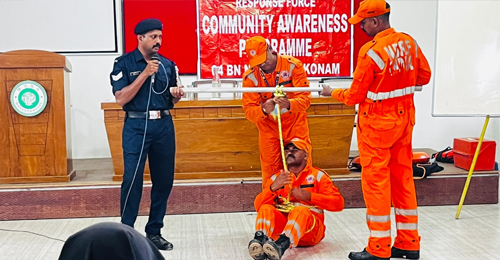
Ropes and Sacks Become Lifesaving Tools as NDRF Trains Wayanad’s First Responders
Long before an ambulance can reach a flooded village or a landslide hit hillside, it...
LEARN MORE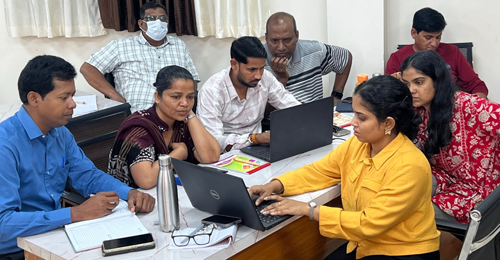
Caritas India Trains Partner Organisations in Evidence Based Project Proposal Writing
Some of the strongest community projects never get built, not for lack of need or...
LEARN MORE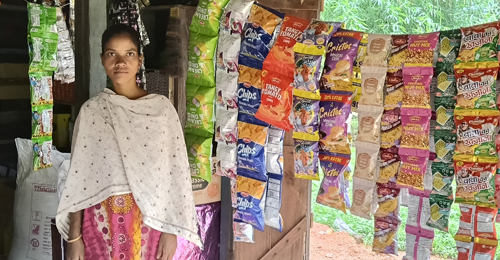
A Grocery Shop, a Mother’s Resolve, and Three Daughters Who Stayed in School
Three young girls in this remote village are attending school regularly today because their mother...
LEARN MORE 91 -11 - 23362735
  director@caritasindia.org


