
 91 -11 - 2336 3390
  director@caritasindia.org
 How infrastructure support helped the small farmers of Barak Valley
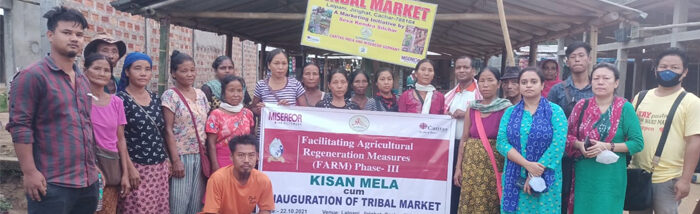
The demand for high-value food is rapidly increasing, pushed by the growing population, rising incomes, and increasing health awareness. These developments are creating market opportunities for farmers and agribusiness entrepreneurs. But this market demand quality, timely deliveries, and sustaining power which poses multi-faceted challenges for smallholders.
The smallholder farmers were pushed down due to poor infrastructure, inadequate support services, and weak institutions. The tribal women of Lakhipur block, under the Cachar district of Assam, were facing similar challenges in selling their products to larger consumers.
They used to sell their seasonal vegetable products including Non-Timber Forest Products (NTFPs) at the National highway roadside in a very scattered manner and a somewhat unsafe environment
Seva Kendra Silchar (SKS), one of the Caritas India partners under the FARM Northeast program discussed this issue and the hardship faced by these women farmers. They used to sell their organic produce in a very unregulated manner in the absence of resources, guidance and proper channelisation.
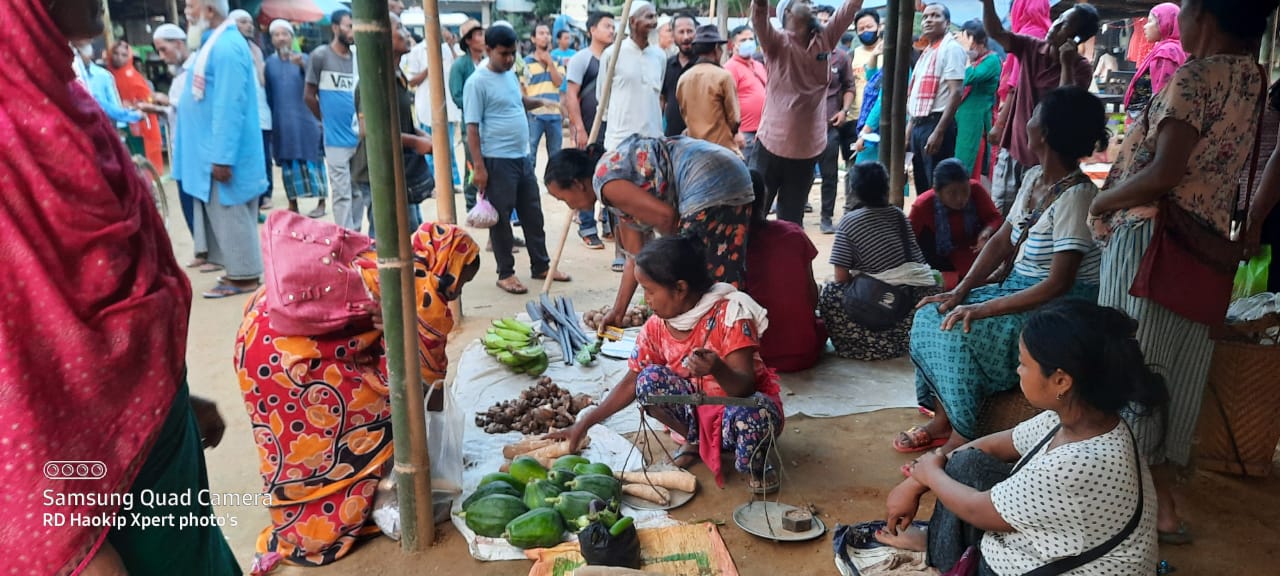
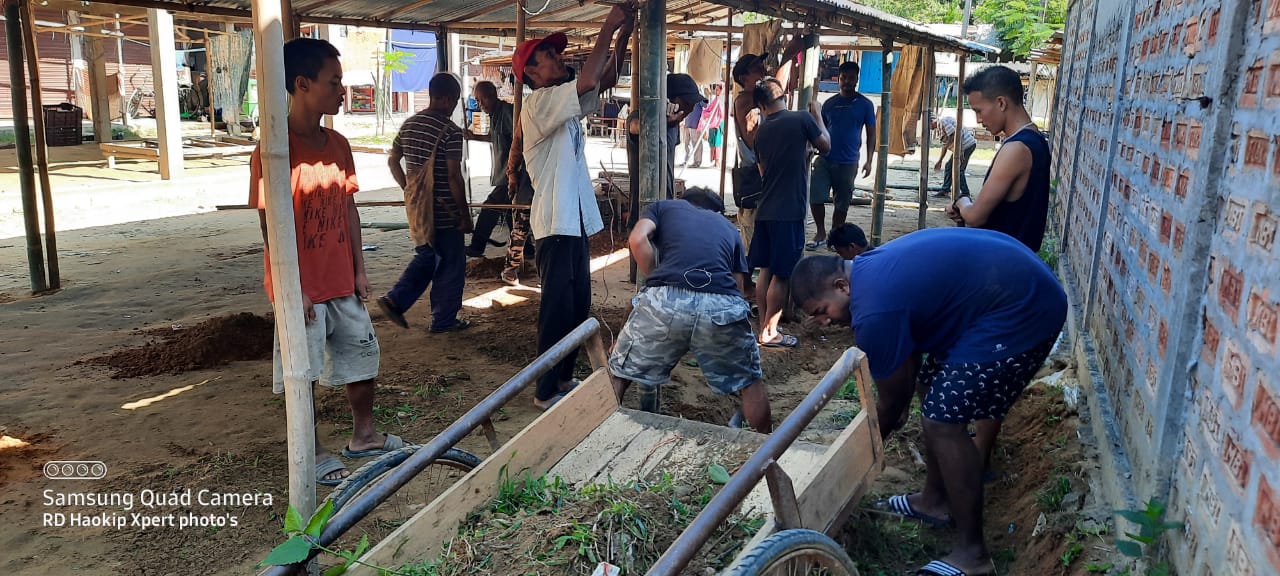
SKS along with the community approached the Lalpani market committee and discussed the matter to grant a space for setting up a separate market shed for the hard-working farmers. The market committee obliged and gave away 40’ by 20’ space within the market area to set up a separate market shed in October 2021. The SKS extended material support to construct the market shed and kept the Gideon Farmer’s club of Lobonkhal village as a management committee for the market shed. The organisation tried to ensure that chemical-free products and wild edibles get the preference in the market as per popular demand.
By providing market space the committee has linked the farmers more closely to consumers which helped both farmers and the consumers mutually. The group’s income was raised to Rs 5,000-6,000 and by the end of the ongoing programme, the income is expected to reach Rs. 20,000 to Rs. 25,000 per season. This support helped the farmers to sell the produce most effectively, provide financial backing and improved the food security of poor farmers.
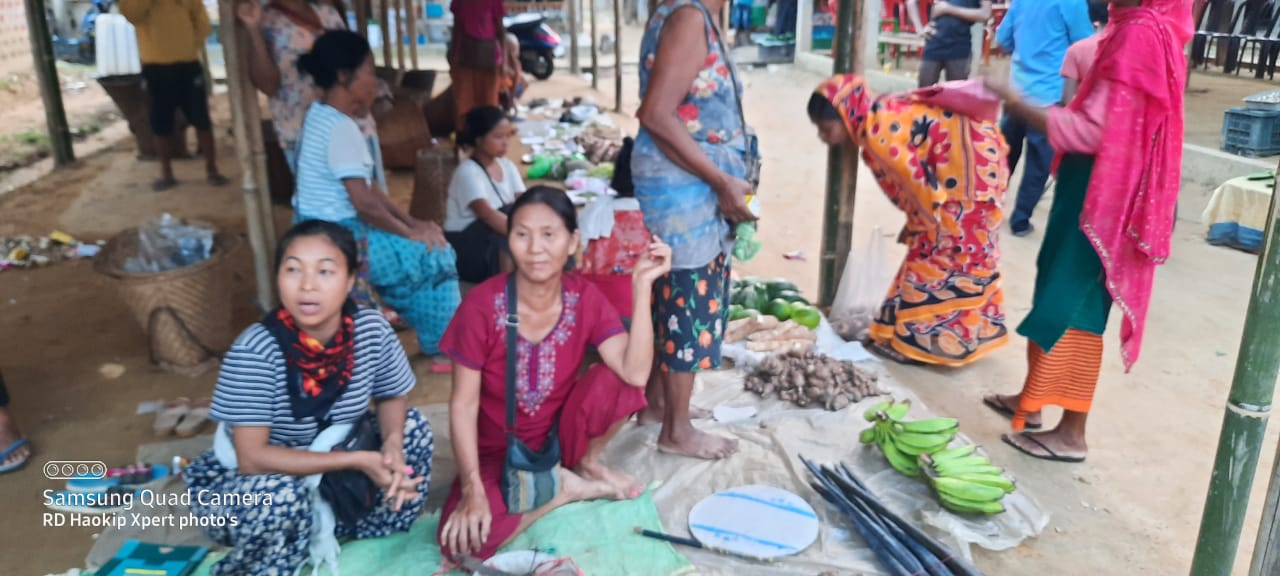
Now the group is involved in inter-loaning the money to its needy members and members are also encouraging other farmers from nearby villages (beyond the project villages) to sell their vegetables to sustain themselves.
“We see a new avenue of income from this market today,” says Lalhmathuoi Hmar, President of Gideon Farmer’s club. Bonani Bhattacharjee, the programme coordinator of the FARM Northeast team opines that there is an urgent need for improved storage facilities as the farmers are growing in bulk.
Caritas India’s mission to support the smallholders continues and this market is regarded as yet another milestone. The market committee and the group is trying to figure out every possible option for its sustenance so they can meet the demand, sell their surplus and manage their risk collectively.
Upcoming News
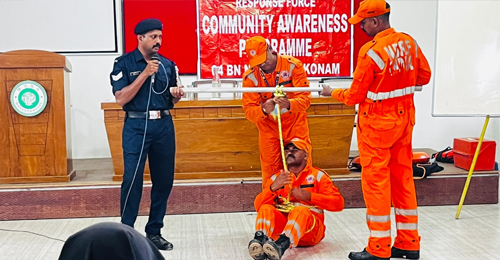
Ropes and Sacks Become Lifesaving Tools as NDRF Trains Wayanad’s First Responders
Long before an ambulance can reach a flooded village or a landslide hit hillside, it...
LEARN MORE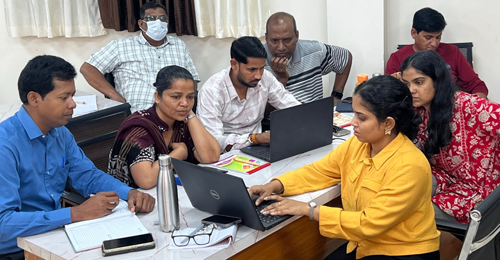
Caritas India Trains Partner Organisations in Evidence Based Project Proposal Writing
Some of the strongest community projects never get built, not for lack of need or...
LEARN MORE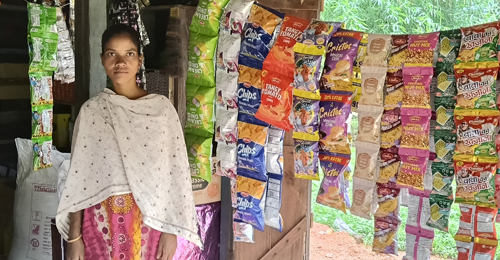
A Grocery Shop, a Mother’s Resolve, and Three Daughters Who Stayed in School
Three young girls in this remote village are attending school regularly today because their mother...
LEARN MORE 91 -11 - 23362735
  director@caritasindia.org


