
 91 -11 - 2336 3390
  director@caritasindia.org
 Multi-Stakeholders in SAFBIN: An integral part of On-Farm Adaptive Research Process
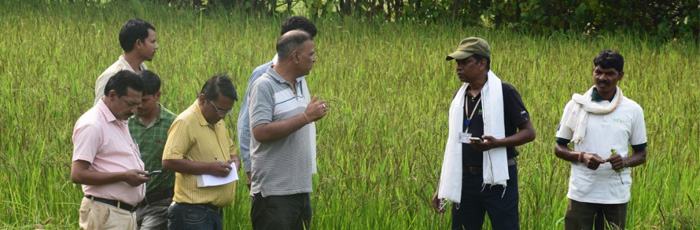
Stakeholder partnerships significantly influence the action and result of any initiative. The involvement of different groups brings abundant knowledge, capacity, perspectives, and experiences to a process. Ideally, Scientist, Government officials and the community together are the basis of change for action. However, there are very limited opportunities for smallholders in our region to effectively interact with relevant local stakeholders like scientists, researchers or the agricultural extension system. Hence a top-down approach is prevailing the agricultural sectors and smallholder farmers due to their vulnerabilities, poor bargaining power and limited risk-taking capacity. The lack of involvement of smallholder farmers has led to under-representing their concern while putting at risk by limiting their reach and progress in this comprehensive system of agriculture and research.
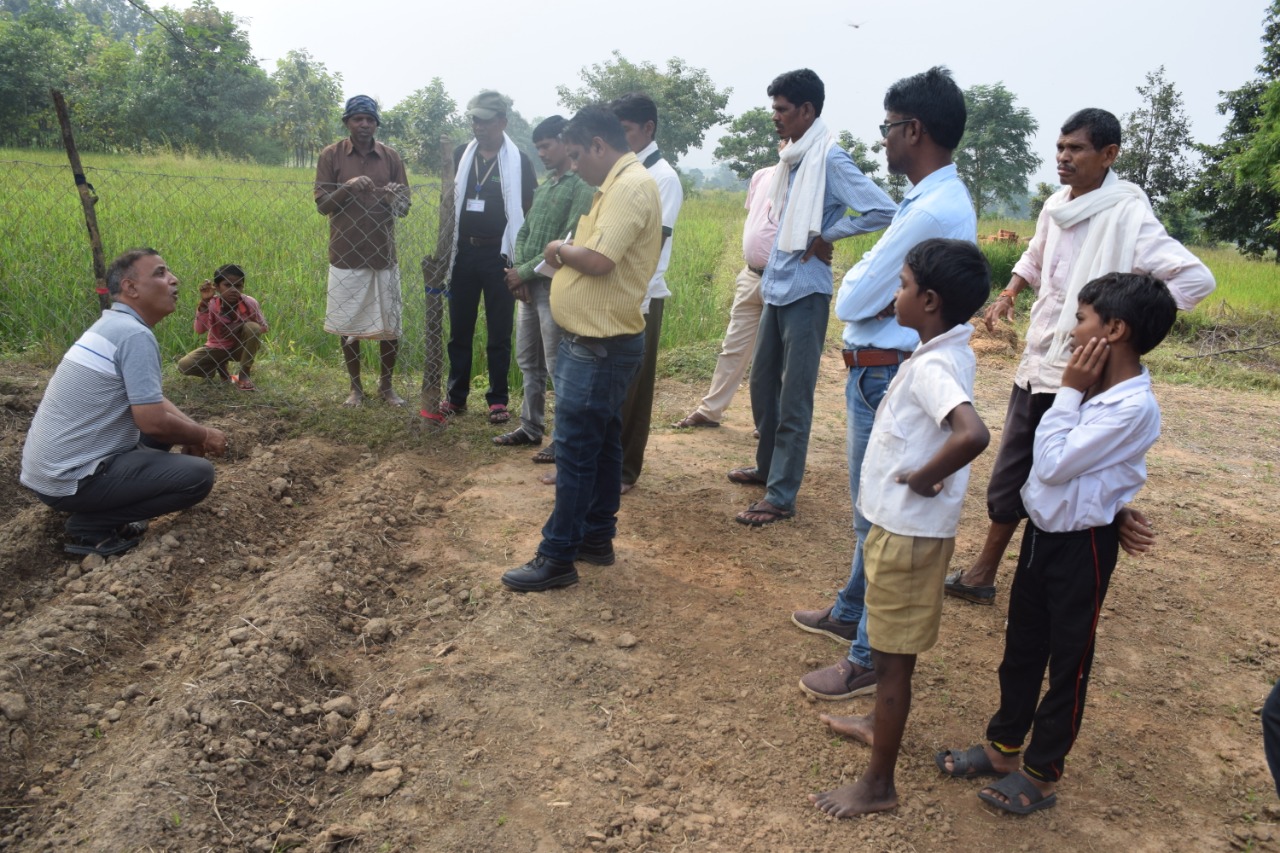
In contrast to the above, Smallholder Adaptive Farming & Bio-Diversity Network (SAFBIN) holds a multi-stakeholder monitoring visit in Mandla region with the support of Jabalpur social service societies (JDSSS) to enhance more dialogue and interactions among smallholders, scientist from regional research stations (KVK), Agriculture technology and management agency (ATMA) and Agriculture departments on 24th of this November.
While appreciating the smallholder led adaptive research process, they visited some Paddy trial plots of Katigahan & Khamariya villages. The importance of strengthening farm components by recycling their existing farm waste and how each component is supplementing with another shared Gulab Singh (one of the trial farmer) using bio-resource flow map was the most unique & innovative presentation found by the multi-stakeholders during the field monitoring.
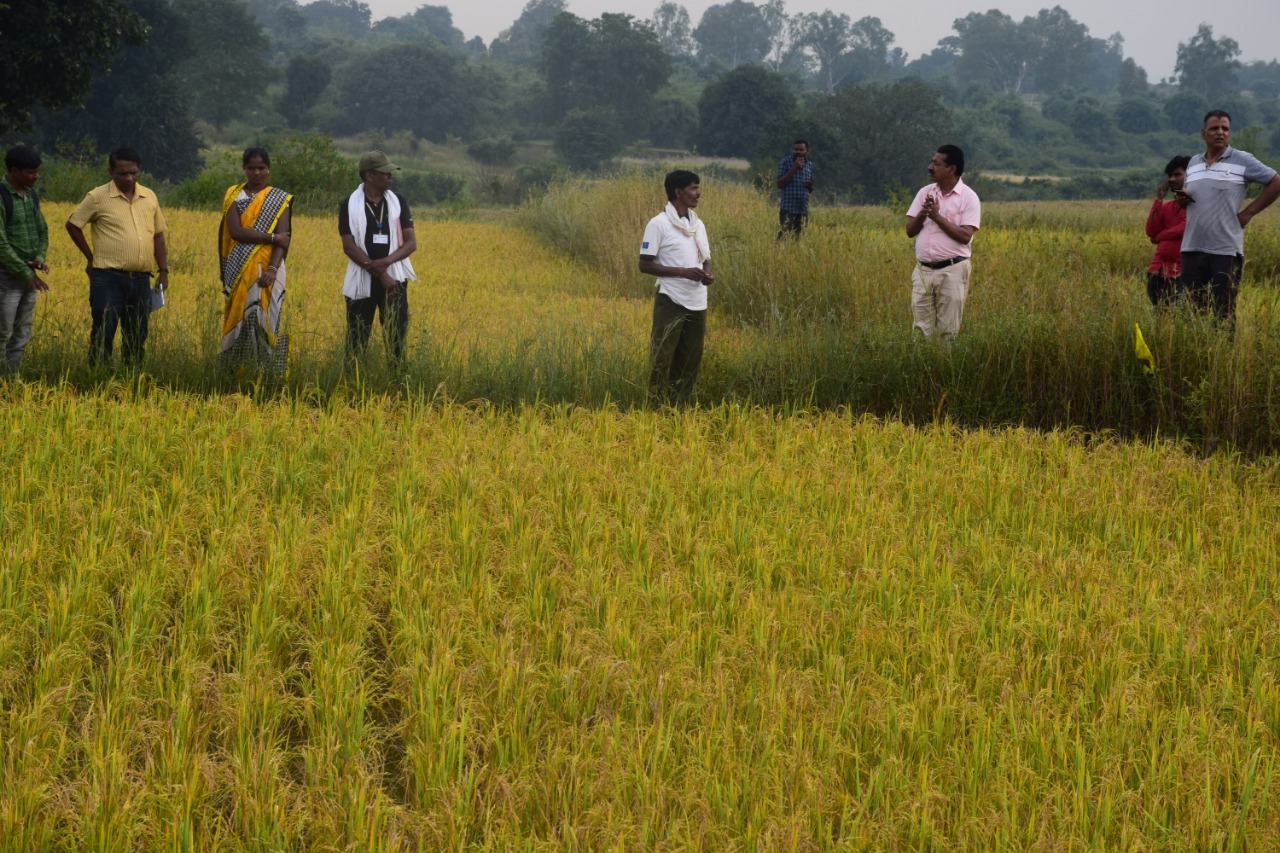
We are also promoting the integrated farming system through our Agriculture department, but the concept of smallholder led design and establishing connections among farm components in SAFBIN which was shared by the smallholder itself is praiseworthy. Says, SMS-Agriculture, Mandla.
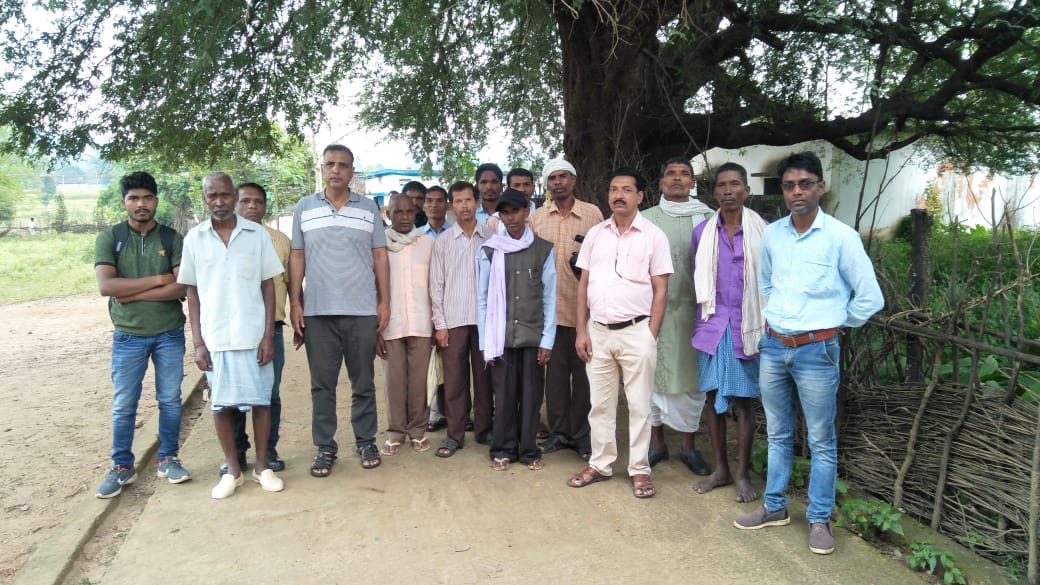
Looking to the smallholder initiative in eco-friendly practices in Mandla region, Agriculture technology and management agency (ATMA) has agreed to render support in registering smallholder farmers of SAFBIN under Participatory Guarantee Scheme (PGS) for organic certification. PGS is a quality assurance initiative that is locally relevant, emphasize the participation of stakeholders, including producers and consumers.
Upcoming News
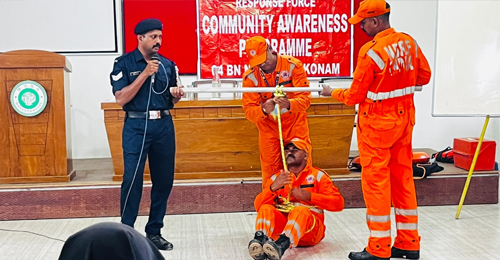
Ropes and Sacks Become Lifesaving Tools as NDRF Trains Wayanad’s First Responders
Long before an ambulance can reach a flooded village or a landslide hit hillside, it...
LEARN MORE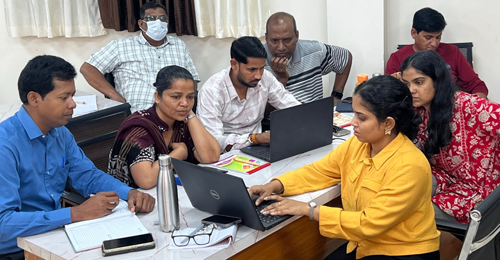
Caritas India Trains Partner Organisations in Evidence Based Project Proposal Writing
Some of the strongest community projects never get built, not for lack of need or...
LEARN MORE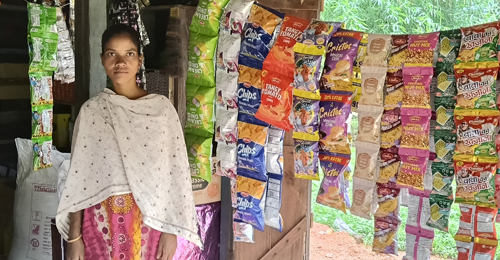
A Grocery Shop, a Mother’s Resolve, and Three Daughters Who Stayed in School
Three young girls in this remote village are attending school regularly today because their mother...
LEARN MORE 91 -11 - 23362735
  director@caritasindia.org


