
 91 -11 - 2336 3390
  director@caritasindia.org
 Nurturing Millet Champions for Sustainable Agriculture
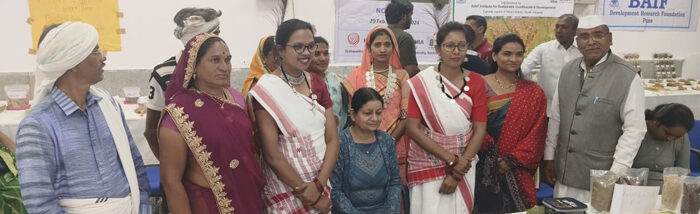
The recent Millet Conclave held at NCERT, New Delhi, witnessed a significant stride in promoting millet cultivation and conservation, with the active participation of SABAL program partners. Among them was the Dayasagar Social Center Ranigram, representing the SABAL initiative, which played a pivotal role in advancing the cause of millet.
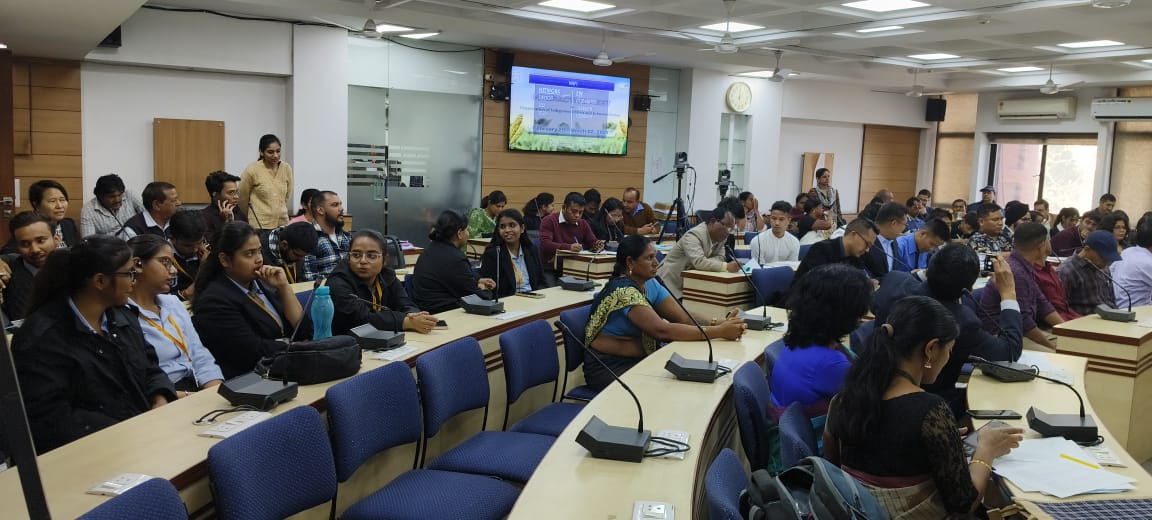
The three-day event from 29th Feb. – 3rd March 2024, titled “Interactive Meeting of Academicians, Scientists, and Communities on Indigenous Millets and Ethnic Medicines of India and Their Conservation,” served as a platform for diverse stakeholders to converge and deliberate on the cultural, religious, and agricultural significance of millet.
Mrs. Jijibai Mavaskar, affectionately known as the Millet Mother of Melghat, was a prominent figure at the conclave, representing grassroots advocacy and showcasing the transformative impact of millet farming. Alongside the SABAL Project Coordinator, Mrs. Mavaskar participated in discussions aimed at popularizing millet conservation, promoting health benefits, and integrating millet into the education curriculum.
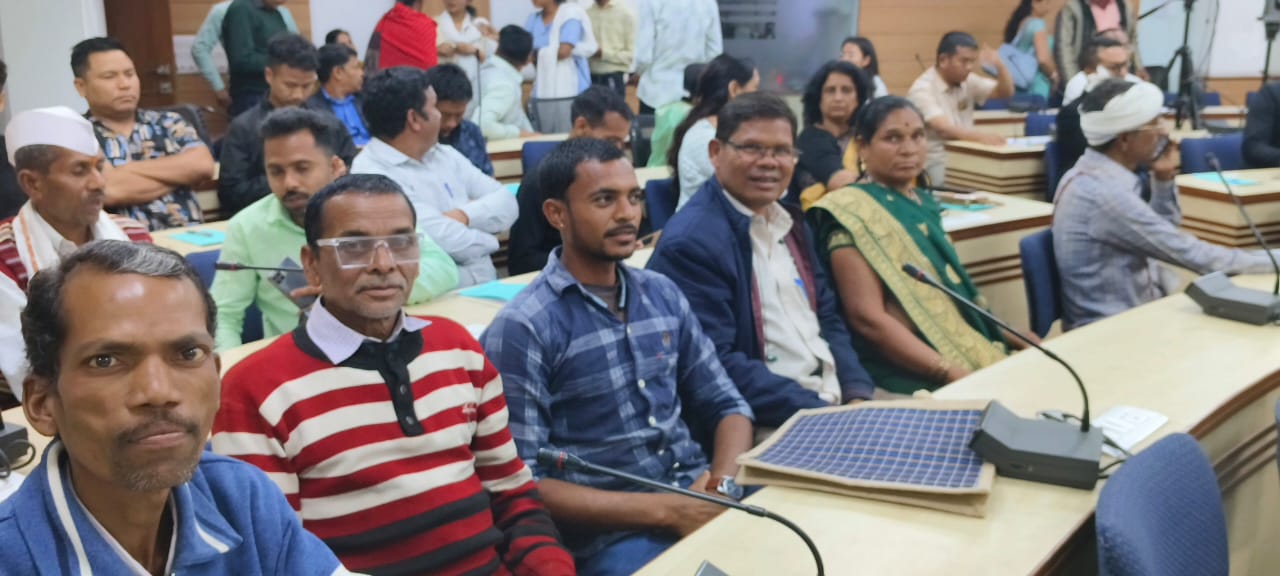
Key highlights of the conclave included insightful consultations on millet production, conservation, and community practices. Mrs. Mavaskar’s advocacy efforts were particularly noteworthy, as she underscored the importance of preserving traditional seeds and highlighted the adverse effects of hybrid seeds on agricultural sustainability.
Moreover, the conclave witnessed a significant announcement by NCERT Director, Professor Dinesh Prasad Saklani, regarding the inclusion of millet in the teacher education curriculum. This milestone decision reflects a concerted effort to mainstream millet cultivation and underscore its importance in agricultural education.
Mrs. Jijibai Mavaskar’s testimony resonated deeply with attendees, shedding light on her extensive experience in promoting millet farming among tribal communities. Her collaboration with Caritas India and the SABAL program has empowered rural farmers, particularly women, to embrace millet cultivation as a sustainable and economically viable practice.
In her impassioned address, Mrs. Mavaskar emphasized the need for government support, advocating for the inclusion of millet in the Public Distribution System (PDS) to ensure wider accessibility and affordability.
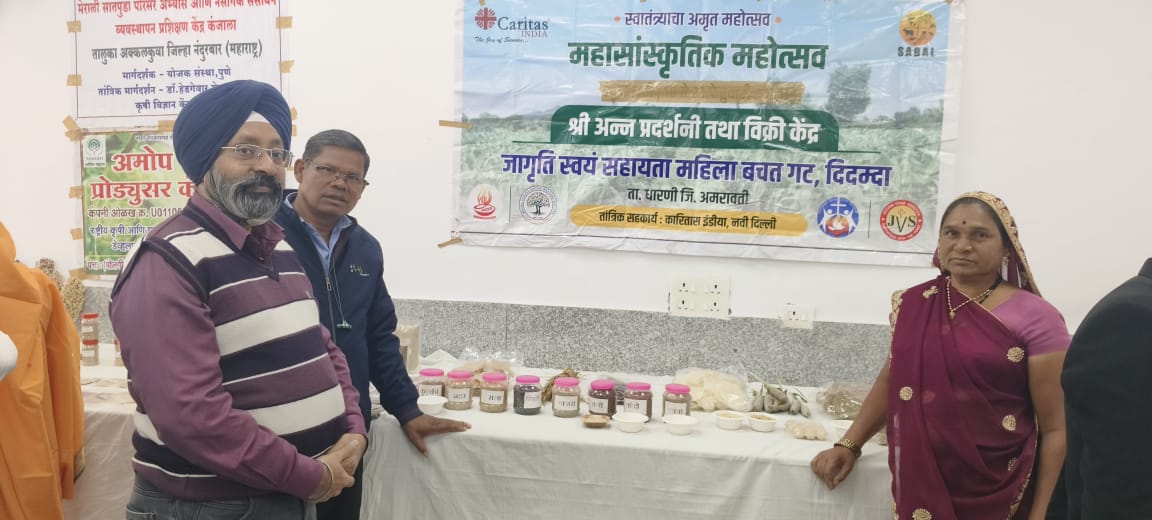
The conclave’s concluding session reaffirmed the commitment to millet conservation and education, with consultations on ethnobotanical conservation, community practices, and the integration of millet into the National Education Policy 2020. Millet stalls set up by participants showcased the diversity and potential of millet-based dishes, further bolstering efforts to promote its consumption.
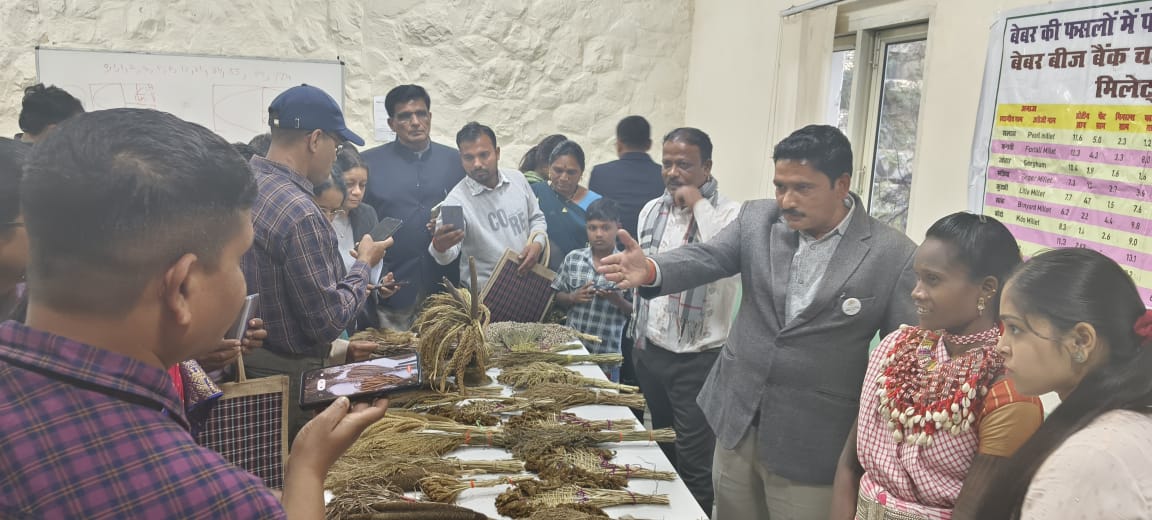
In essence, the Millet Conclave served as a testament to the collaborative efforts of the SABAL program, grassroots advocates like Mrs. Jijibai Mavaskar, and stakeholders from across the country. Through initiatives like SABAL, millet emerges not only as a crop but as a symbol of resilience, sustainability, and community empowerment in India’s agricultural landscape.
Upcoming News
Ropes and Sacks Become Lifesaving Tools as NDRF Trains Wayanad’s First Responders
Long before an ambulance can reach a flooded village or a landslide hit hillside, it...
LEARN MORE
Caritas India Trains Partner Organisations in Evidence Based Project Proposal Writing
Some of the strongest community projects never get built, not for lack of need or...
LEARN MORE
A Grocery Shop, a Mother’s Resolve, and Three Daughters Who Stayed in School
Three young girls in this remote village are attending school regularly today because their mother...
LEARN MORE 91 -11 - 23362735
  director@caritasindia.org


