
 91 -11 - 2336 3390
  director@caritasindia.org
 OPPORTUNITIES & CAVEATS TO RESOURCE DEVELOPMENT: MOVING BEYOND2
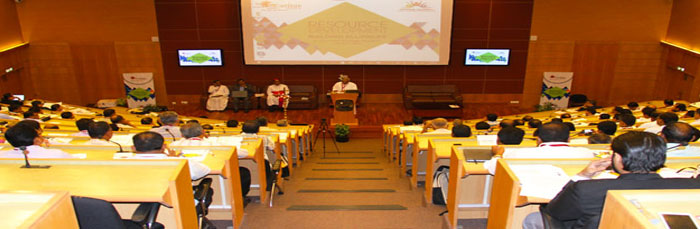
Themed “Resource Development…Building Alliance”, the National Assembly 2016 aimed at learning of innovative approaches and practices in mobilizing financial and human resources from the corporate and development professionals. Over two hundred participants from across India came together for a biennial Caritas India National Assembly to reflect on the concerns of resource mobilisations for NGOs for sustainability, with a special focus on Catholic Institutions.
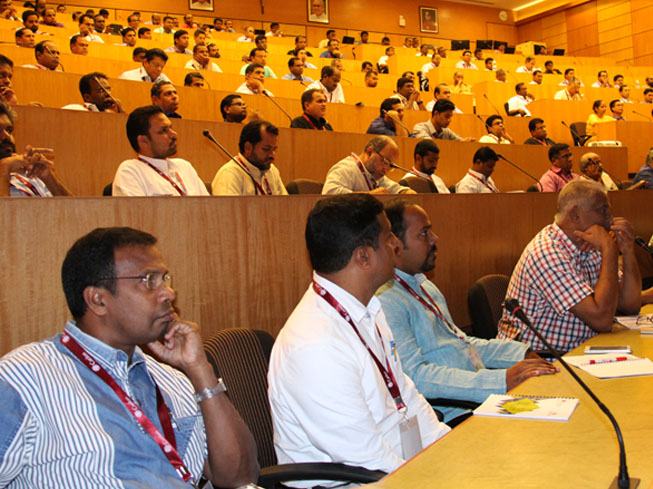
The two day National Assembly of Diocesan Directors on 20-21 July witnessed participation of chief executives from Coca-Cola India Pvt. Ltd., ICCo Cooperation, Faizal & Shabana Foundation, Jaipur Rugs, Corporate Responsibility Watch/Praxis, Child Rights and You (CRY), VSO India, Catholic Relief Services (CRS), Sakaar Outreach and diocesan partners. Resource mobilization opportunities and practices from the Government, Corporate Sector, Medium and Small Enterprises, Multilateral Agencies, Trusts and Foundations etc., were shared. The themes covered CSR, Volunteerism, Social Enterprising models, Promoting Giving Community and Localising and Strengthening the Campaign against Hunger and Disease (Lenten Campaign)..
Bishop Lumen Monteiro, Chairman – Caritas India, welcomed the august gathering by stating that the event was an opportunity for cross learning and building partnerships to reflect on Caritas India and partners’ relevance to the growing needs of the communities and shrinking donor driven resources. Adding to this, Fr. Frederick D’Souza, Executive Director stated that there stood a plenty of opportunities to mobilise local resources for which fine tuning of organisational strategies was required.
Speaking of the significance of the event, Fr. Paul Moonjely, Asst. Executive Director, underscored the fact that Resource Development is a science and an art that deals with knowledge, skills and attitudes to enhance the quality of life of the marginalized people.
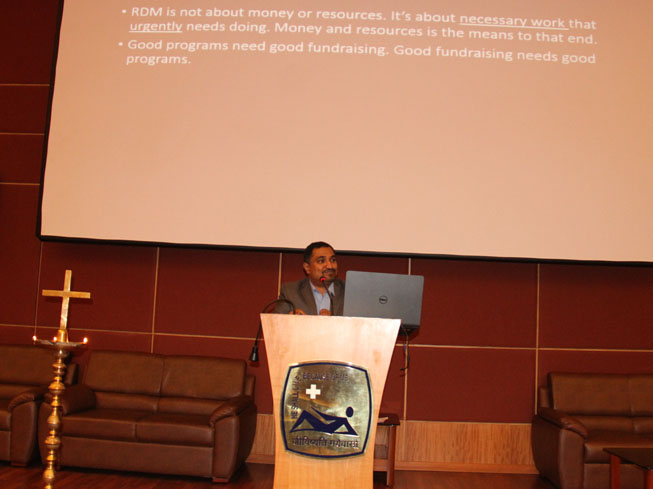
“Good programmes needs good funds but good funds also need good programmes”, remarked Mr. Joseph Sebastian, Head of Faizal & Shabana Foundation in his Keynote address. He encouraged the delegates to tap the local resources through well thought programmes and enhanced transparency and accountability mechanisms, by moving beyond donor driven funding scenarios and trying with diverse local sources.
“The Companies Act 2013 mandated reporting on 2% CSR funding, while the corporates did engage in CSR activities prior to this legislation also. But, this mandate has enhanced the spending on CSR activities for the companies and resulted in more innovations in collaboration with reputed research organisations and NGOs. The corporates look for Innovations, Capacities, Scale and Efficiency as some of the key requirements for collaborating with NGO”, stated Ms. Meenu Bhambhani, Associate Vice President & Head of Global Corporate Social Responsibility, MphasiS, Bengaluru.
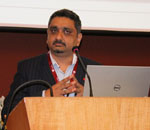
Mr. Atul Rajbhushan, Senior Manager, Public Affairs & Communications, Coca-Cola India and Southwest Asia, clarified that to implement programmes in the communities, corporates would require the support of NGOs. “CSR needs to be re-imagined as purposeful branding. Only when we start to imagine brands and businesses as ideas that reside in communities and their lives, beyond markets and competition, do businesses and CSR become effective”, added Ms. Anita Bala Sharad, Director – Resource Mobilisation, CRY.
“Sustainability approach targets all actor sin the value change; considers partner behavior and end consumer’s use the product, with and intention of ensuring future markets. Fund raising requires the team work between programmes, communications and Resource Mobilisation personnel”, emphasised Ms. Pinky Pradhan, ICCo Cooperation.
Talking for Human Rights in Business, Mr. Tom Thomas, Convenor, Corporate Responsibility Watch remarked that, “CSR could be a remedy but not the solution to social problems. Sustainable development needs to be in sync with People, Peace and Planet. He also stressed on Corporate Responsibility in CSR. Businesses impact the lives of the most marginalized people and hence, Corporate Responsibility becomes a non-negotiable aspect for NGOs trying for CSR funds, to hold the corporates responsible to their business activities.”
Other presentations included success stories from diocesan partners on CSR, Volunteerism, Social Enterprising Models and Promoting Giving Communities (family giving, individual contributions and campaigns).
The National Assembly concluded with a Draft Strategy focusing skill-building, Knowledge Partnership, and Consortium model for Resource Development.
Upcoming News
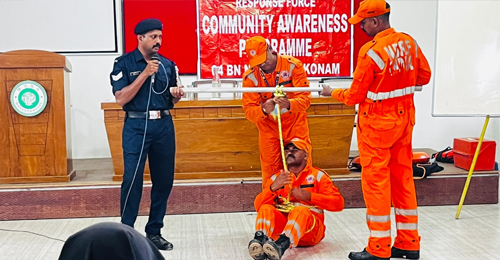
Ropes and Sacks Become Lifesaving Tools as NDRF Trains Wayanad’s First Responders
Long before an ambulance can reach a flooded village or a landslide hit hillside, it...
LEARN MORE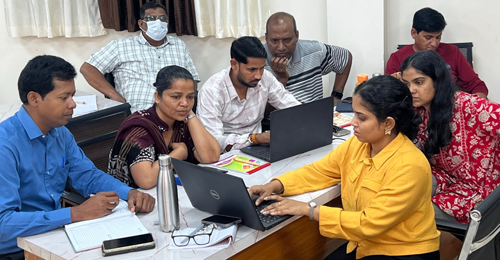
Caritas India Trains Partner Organisations in Evidence Based Project Proposal Writing
Some of the strongest community projects never get built, not for lack of need or...
LEARN MORE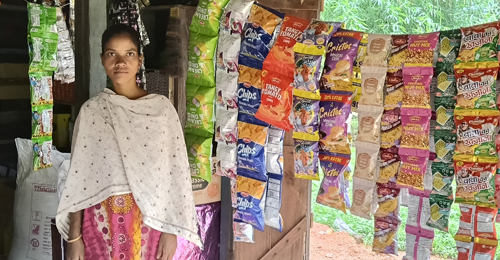
A Grocery Shop, a Mother’s Resolve, and Three Daughters Who Stayed in School
Three young girls in this remote village are attending school regularly today because their mother...
LEARN MORE 91 -11 - 23362735
  director@caritasindia.org


