
 91 -11 - 2336 3390
  director@caritasindia.org
 Reaping a Better Future
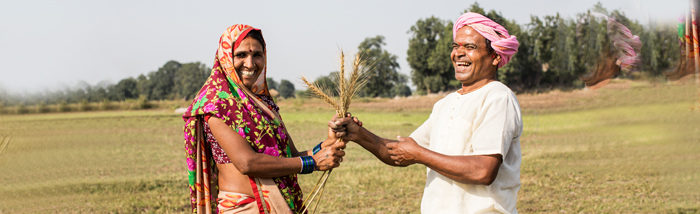
Climate change is a global challenge and its negative effect impacts agro-ecosystem, agricultural production, and human well-being. It hits the highest where people (farmers) directly depend on agriculture for food and livelihood. The largest proportion of smallholder farmers belongs to the most vulnerable groups in relation to food security. Most of the areas are under rainfed conditions and extremely susceptible to rainfall variability, delayed monsoon, fluctuating temperature (high and prolonged dry spell, increase in humidity) and drought.
Kishori Rai is a smallholder farmer living with his family in Vanpura village of Bathwaha Gram Panchayat, Block Shahgarh, District Sagar, Madhya Pradesh, India. Vanpura is a small village with the majority of smallholder farmers. The primary source of livelihood is agriculture cultivating in rainfed conditions depending upon the monsoon rain.
Agriculture is the backbone of Kishori Rai, who owns 1.5 acres of land. Like others, he was also practicing a conventional farming system to ensure sufficient (food) production for his family. Depending on the changing climatic conditions (sudden heavy rainfall, prolonged dry spell, high humidity & raising in temperature) crops affected by many diseases and pests which leads to low crop production. Realising to his huge investment (input cost) on agriculture and the production every year which only lasts for 6-8 months, he decided to leave farming and opt to work as a labourer
In the year 2012, Vanpura village was identified by Strengthening Adaptive Farming in Bangladesh, India & Nepal (SAFBIN) programme as one of the most marginalised villages in the area affected by climate change and food insecurity. SAFBIN propounded on-farm adaptive research (OFAR) to enable smallholder farmers to take all decisions considering their needs. The base of the OFAR approach is a vulnerability mapping to know and understanding their local agricultural vulnerabilities, major challenges and its effect on local food security in the context of climate change.
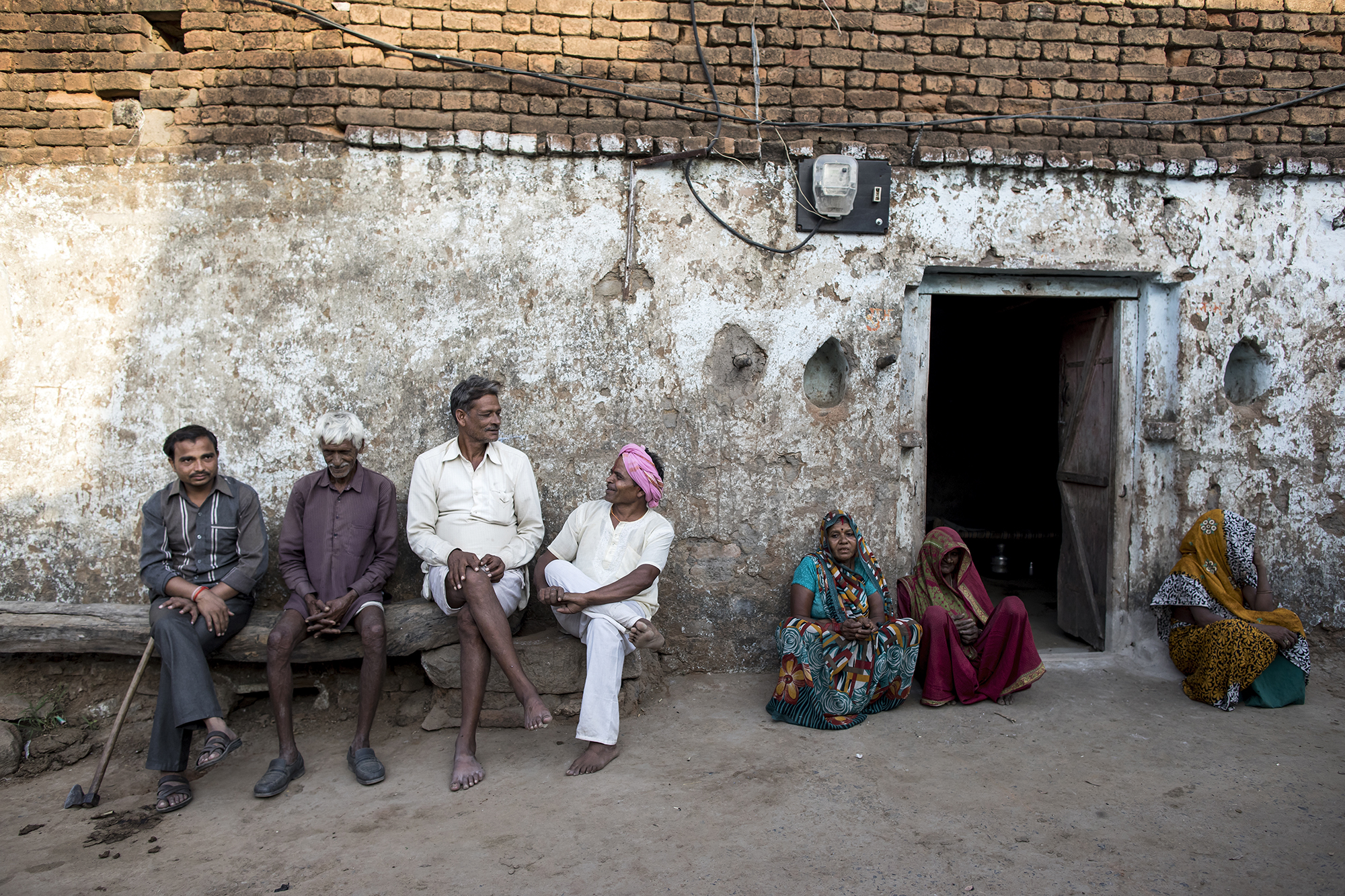
He started doing the trial for the first time with the system of wheat intensification (SWI) technology with the application of recommended/suggested botanicals and bio-pest repellents. To his surprise, he got a good production as compared to before which he shared during the SHFC meeting and showed his field to other smallholder farmers.
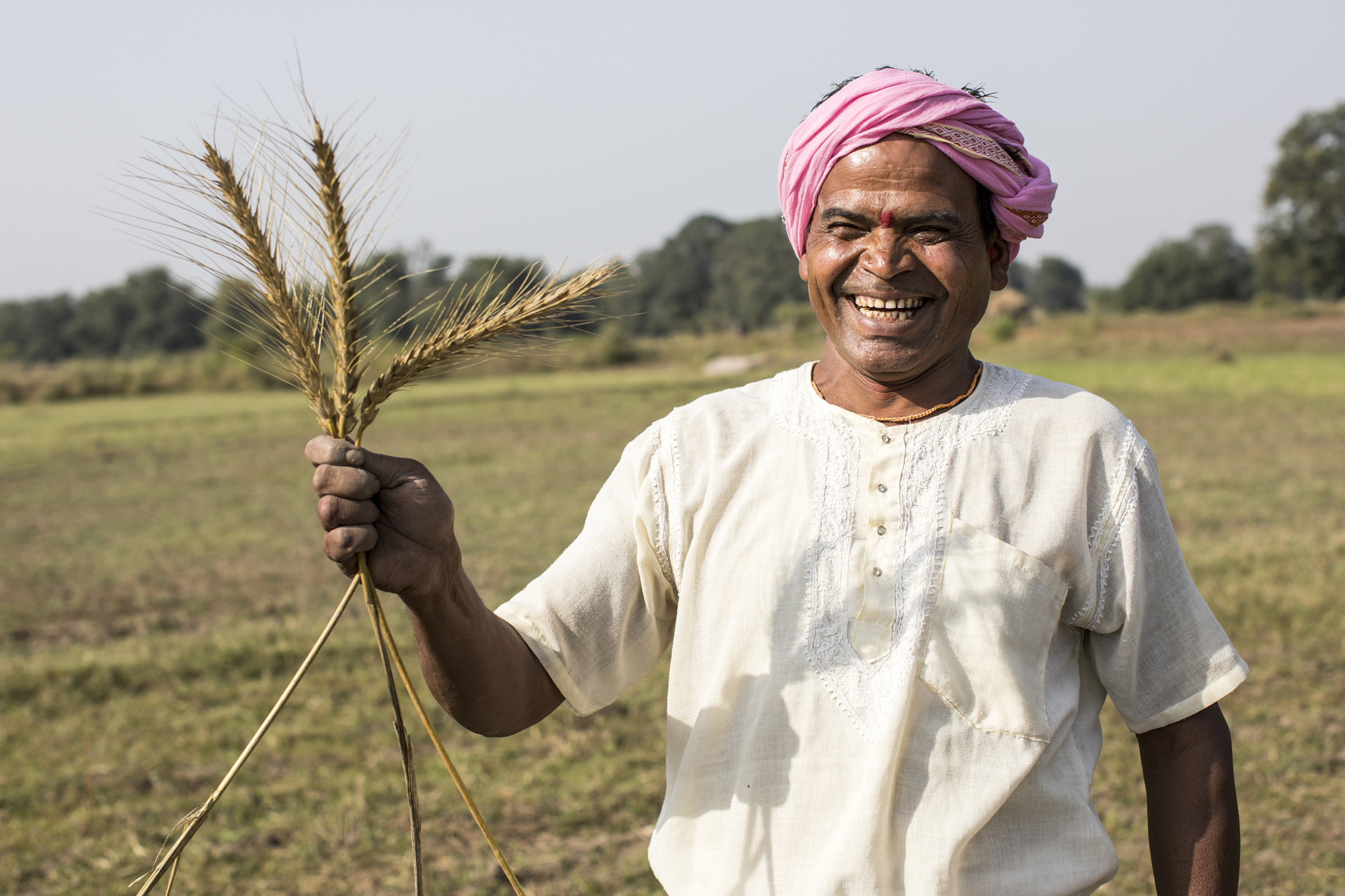
With the help of SAFBIN initiatives, he is able to harvest three crops in a year (Black gram, soybean, and wheat) and diversified his food basket with 8-10 varieties of vegetables round the year. Apart from their own consumption, he is able to get a minimum income of INR 14000/- to INR 18000/- per month. Last year he almost received INR 160,000/- by selling his surplus produces.
He says, “SAFBIN helped to change my way of agriculture and made realise smallholder farmers like me with low-cost localised solutions to have sufficient food and capacity to cope up with changing climatic conditions.”
Upcoming News
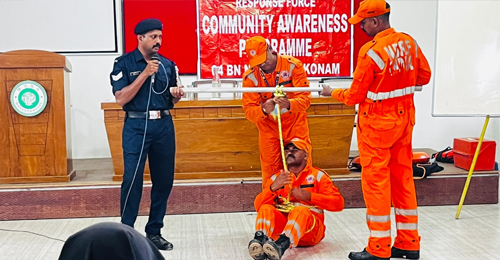
Ropes and Sacks Become Lifesaving Tools as NDRF Trains Wayanad’s First Responders
Long before an ambulance can reach a flooded village or a landslide hit hillside, it...
LEARN MORE
Caritas India Trains Partner Organisations in Evidence Based Project Proposal Writing
Some of the strongest community projects never get built, not for lack of need or...
LEARN MORE
A Grocery Shop, a Mother’s Resolve, and Three Daughters Who Stayed in School
Three young girls in this remote village are attending school regularly today because their mother...
LEARN MORE 91 -11 - 23362735
  director@caritasindia.org


