
 91 -11 - 2336 3390
  director@caritasindia.org
 Simple processing helps turmeric farmers to earn more
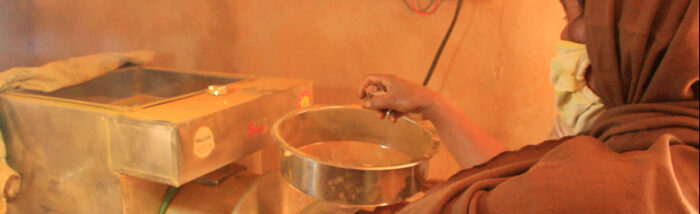
India has seen a record high consumption of turmeric during the pandemic times. The demand was triggered due to the health benefits and antiviral properties of turmeric to build immunity and fight infections.
Ministry of AYUSH also recommended the use of turmeric in cooking for preventive health measures and boosting immunity with special reference to respiratory health. Some of the studies claimed that the curcumin present in turmeric has shown beneficial effects on the progression of inflammatory diseases due to its numerous action mechanisms: antiviral, anti-inflammatory, anticoagulant, antiplatelet, and cytoprotective. Suddenly the market was filled with turmeric detox tea, cookies, face wash, ghee and whatnot.
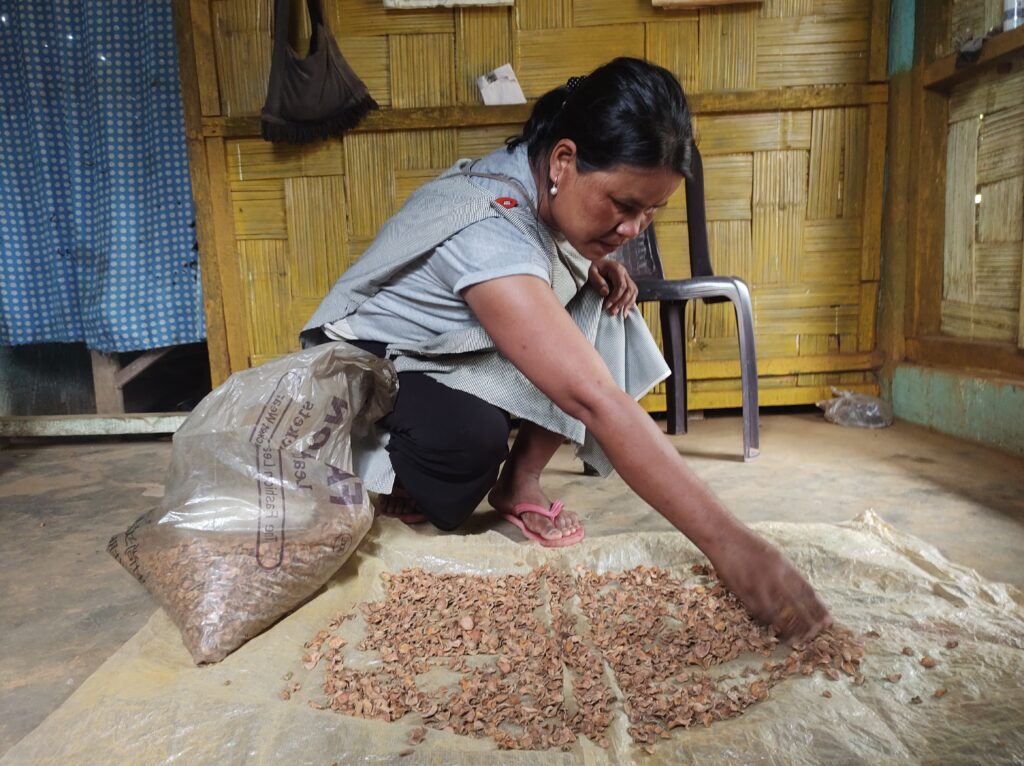
Turmeric farming is one of the important agricultural crops for the farmers of Meghalaya. Caritas India FARM North East programme is promoting the local farmers to collectivise as a group and focus on food security and sovereignty. Social Service Centre (SSC), a Caritas India partner has mobilised and assisted farmers in building a common interest in turmeric farming in the Ri-Bhoi District of Meghalaya.
One of the reasons for farmers’ reluctance was due to the unavailability of turmeric processing facilities in the village. The customers demand turmeric powder which requires a huge amount and time as the farmers have to carry the turmeric and travel long distances to grind their turmeric.
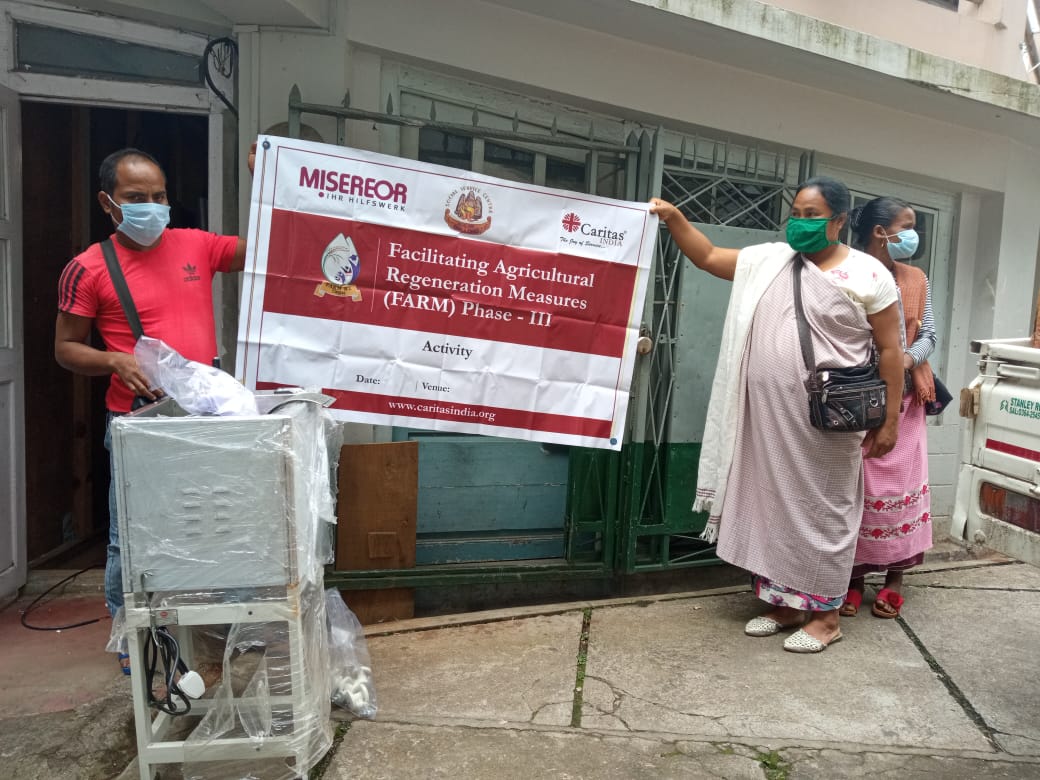
In 2021, SSC realised this need and provided turmeric grinding machine to the Iareplang group in Mawphrow village. The group was also oriented on the basic processing of turmeric which involved multiple cleaning processes, drying methods, slicing and grinding. The group started grinding the turmeric brought from the neighbours but soon decided to cultivate it on their own.
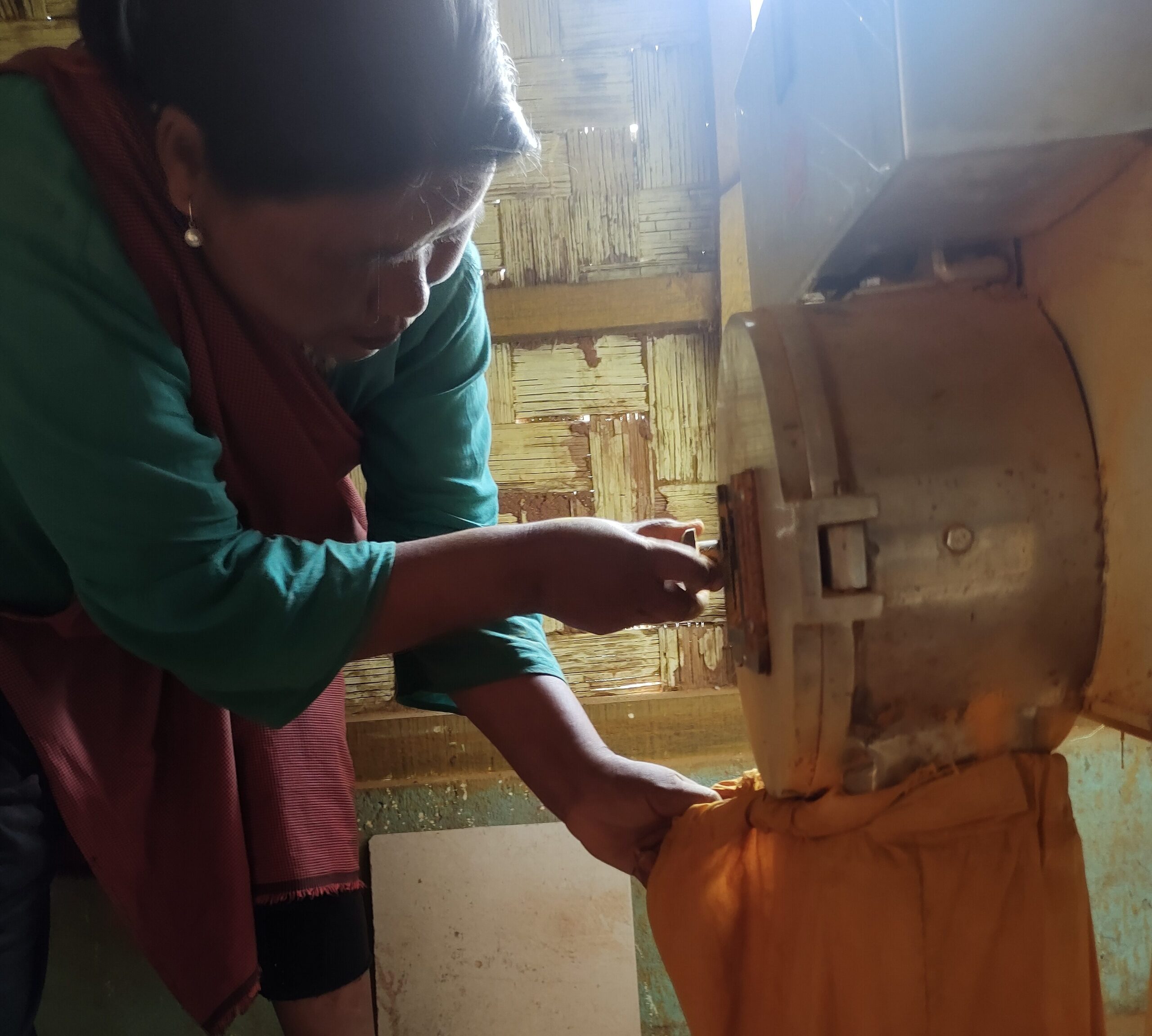
The group benefited greatly and received a good amount. All group members received an equal amount from the turmeric grinding machine, which was also available for inter-loaning. The money was also used to fix the machine and buy diesel. Even during the lockdown, the group could make Rs 10,000 from the grinding machine.
SSC is speeding up the process with the bank to open a bank account for the group. “After making the efforts to grow their own turmeric, the group typically receives a demand for supply from two clients, and we anticipate that demand will rise in the upcoming years”, said Ms Evansiewdor L Mawlong, Coordinator, SSC.
Typically, the customers from nearby villages come to grind 2 to 3 kgs of turmeric. The group initially charged Rs 25 per kg of turmeric during the lockdown, but after it was lifted, they raised their charge to Rs 30. The group decided to increase the rates by Rs.40 at the start of 2022 to meet up the high electricity costs.
The group sells its turmeric powder at Nongpoh, where the price is determined by the quantity. This year the group could produce about 30 kg of turmeric.
Upcoming News

Ropes and Sacks Become Lifesaving Tools as NDRF Trains Wayanad’s First Responders
Long before an ambulance can reach a flooded village or a landslide hit hillside, it...
LEARN MORE
Caritas India Trains Partner Organisations in Evidence Based Project Proposal Writing
Some of the strongest community projects never get built, not for lack of need or...
LEARN MORE
A Grocery Shop, a Mother’s Resolve, and Three Daughters Who Stayed in School
Three young girls in this remote village are attending school regularly today because their mother...
LEARN MORE 91 -11 - 23362735
  director@caritasindia.org


