
 91 -11 - 2336 3390
  director@caritasindia.org
 The Jeevan-Women Led Empowering Action (WLEA) programme, implemented by 10 areas in Maharashtra, aimed to increase women’s participation and decision-making in both agriculture and governance. It also sought to protect and conserve tribal identity and equitable traditional governance systems, which in turn bolstered women’s freedom and empowerment. Jeevan-WLEA focused on strengthening grassroots governance by fostering greater community involvement and enhancing their ownership of decision-making. The democratization of governance processes and the empowerment of communities were seen as crucial outcomes, leading to a greater realization of rights and more inclusive development. At its core, Jeevan embraced Empowering Animation, or people-led development, by initiating grassroots movements led and directed by women. While prioritizing women due to historical disadvantages, the program’s efforts benefited entire communities. Under women’s leadership, communities launched self-propelling, self-directing, continuous, and collective campaigns, leveraging their own resources to become agents of transformation. Jeevan was built on a robust reflection process, enabling partners to continuously review their relationship with communities and gradually transfer leadership to them. In essence, Jeevan was a women’s empowerment program designed to achieve broader community welfare and development.
- Assam Kokrajhar,Chirang, Nagaon, Morigaon, Kamrup, East Karbi Anglong, Dibrugarh, Cachar,Hailakandi, Sonitpur
- Arunachal Pradesh Changlang, Lower Subansiri
- Meghalaya West Jaintia Hills, East Khasi Hills, Ri Bhoi, Eastern West Khasi Hills, South West Khasi Hills, North Garo Hills
- Manipur Kangpokpi, Tengnoupal and Kamjong
- Nagaland Peren and Chumoukedima
- Mizoram Kolasib
- Tripura West Tripura and Gomati
Our Reach
- 7States
- 26Districts
- 192Villages
- 87956Population
Focus
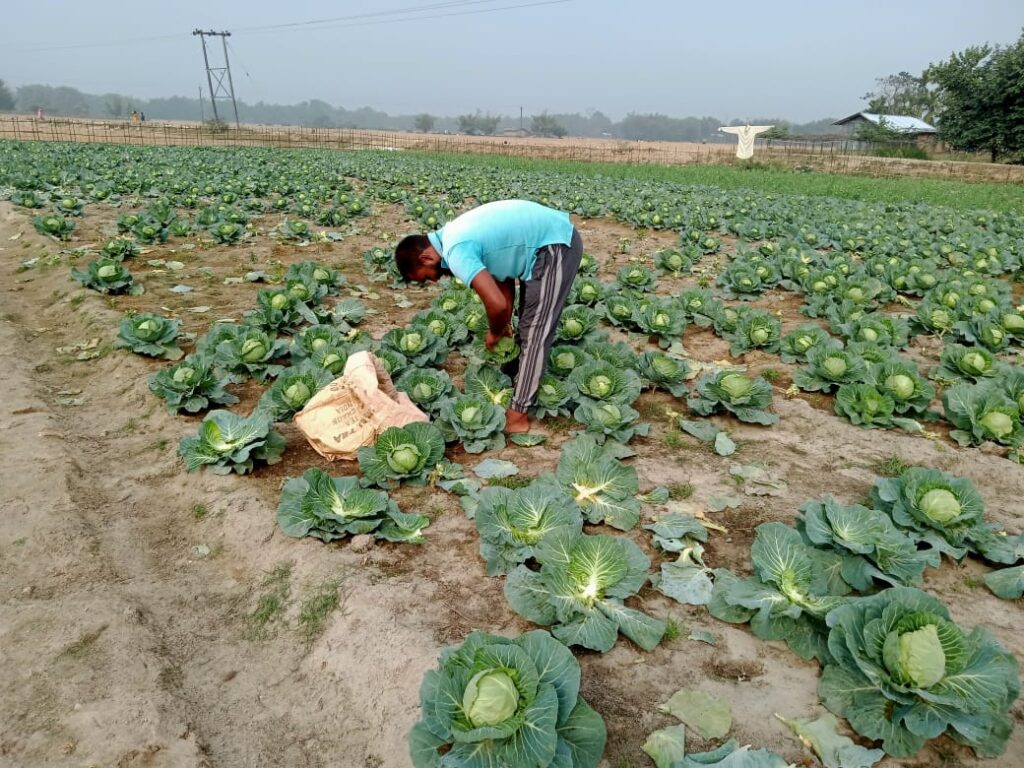
Food and Nutrition Security
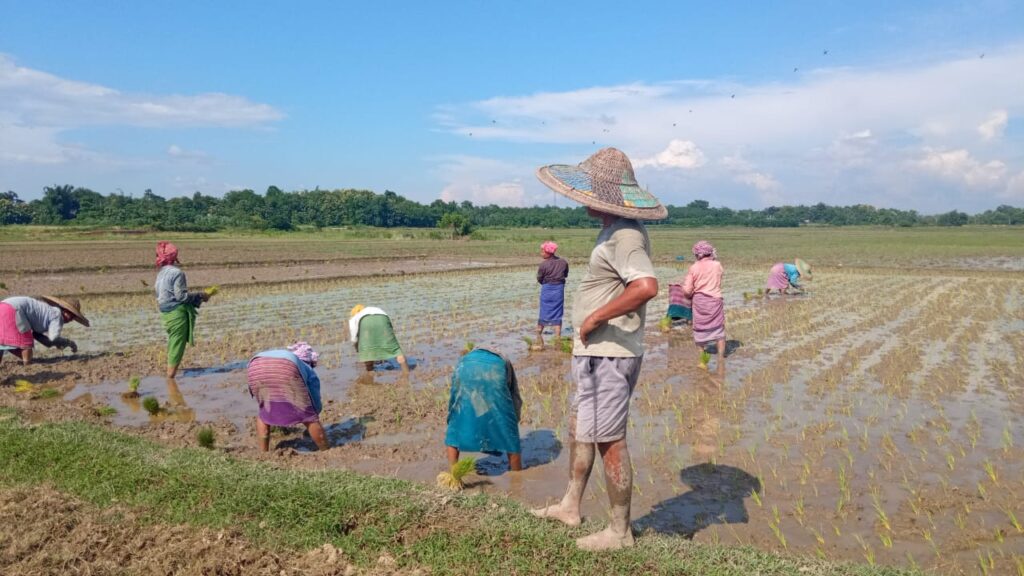
Climate change resilience
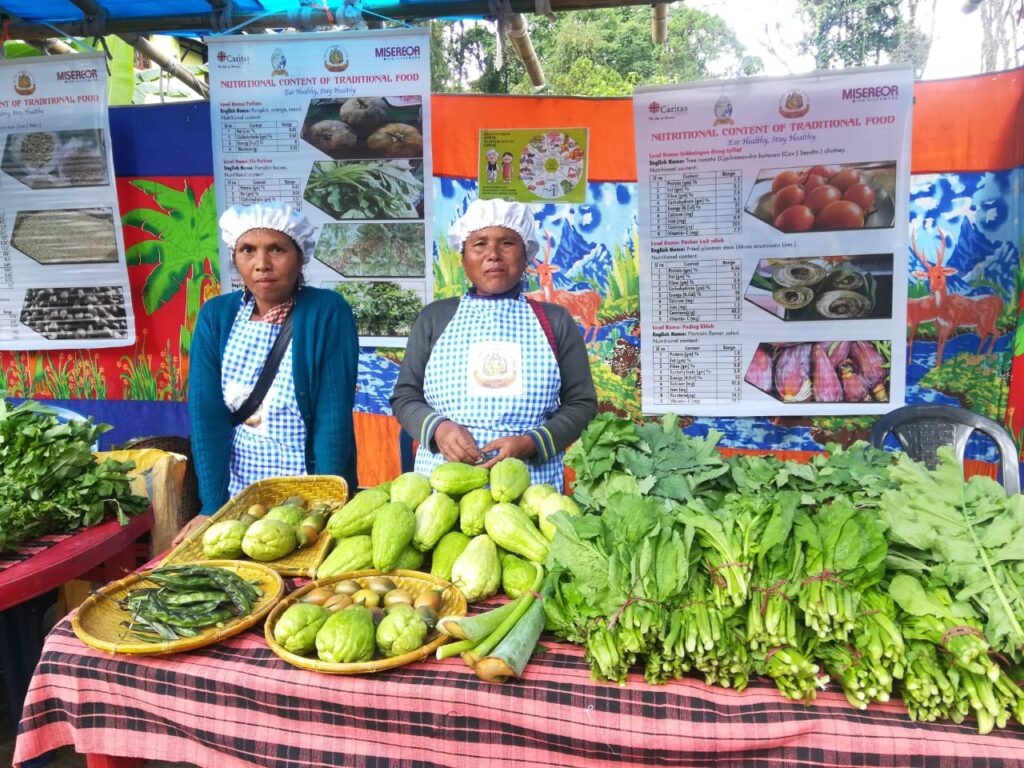
Market Integration
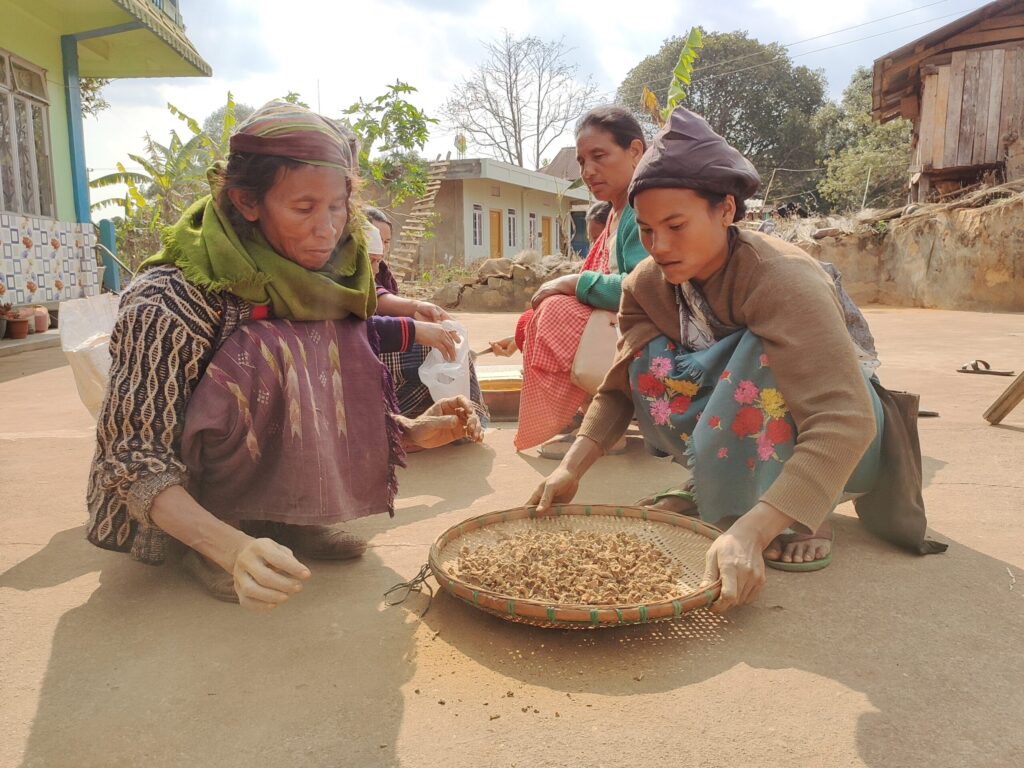
Livelihood Promotion
Impact
- 4,142 smallholder farmers transitioned to natural farming practices.
- 302 smallholder farmers improved farm products through collective integrated farming systems.
- 2,284 smallholder farmers embraced millet cultivation for sustainable farming.
- 873 smallholder farmers integrated paddy cum fish farming for diversified income.
- 2,228 smallholder farmers established improved kitchen gardens for household nutrition.
- 6,187 smallholder farmers utilized wild edibles for enhanced nutrition intake.
News
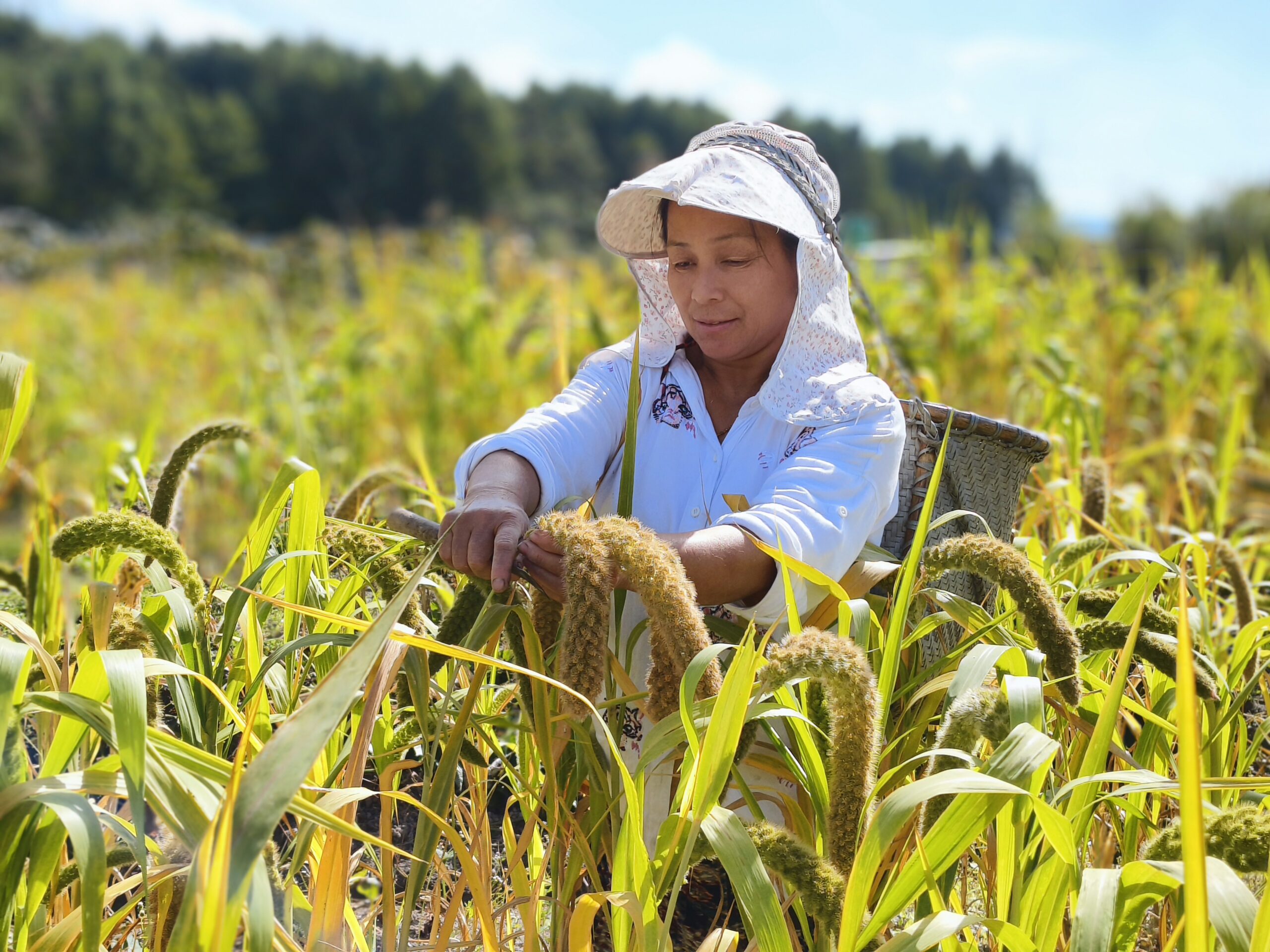
Diversifying Income Streams and Strengthening Community Bonds
LEARN MOREMini Electric Rice & Millet Mill Revolution in North Garo Hills
LEARN MOREFarming Legacy: Nurturing Maize and Community in Nagaland
LEARN MOREMarket Shed in Mawryngkang: A Catalyst for Community-Driven Progress and Resilience
LEARN MORETransforming Agriculture and Livelihood landscape in Arunachal Pradesh
LEARN MOREOvercoming survival and progressing to prosperity
LEARN MOREReviving Tradition: Narang Pullo’s Path to Sustainable Indigenous Poultry Farming
LEARN MOREResources

The New Exodus – The Untold Stories of Distressed Migrants during Covid-19
Walking with the migrants beyond Covid-19 Pandemic
RICE – The Golden Grain

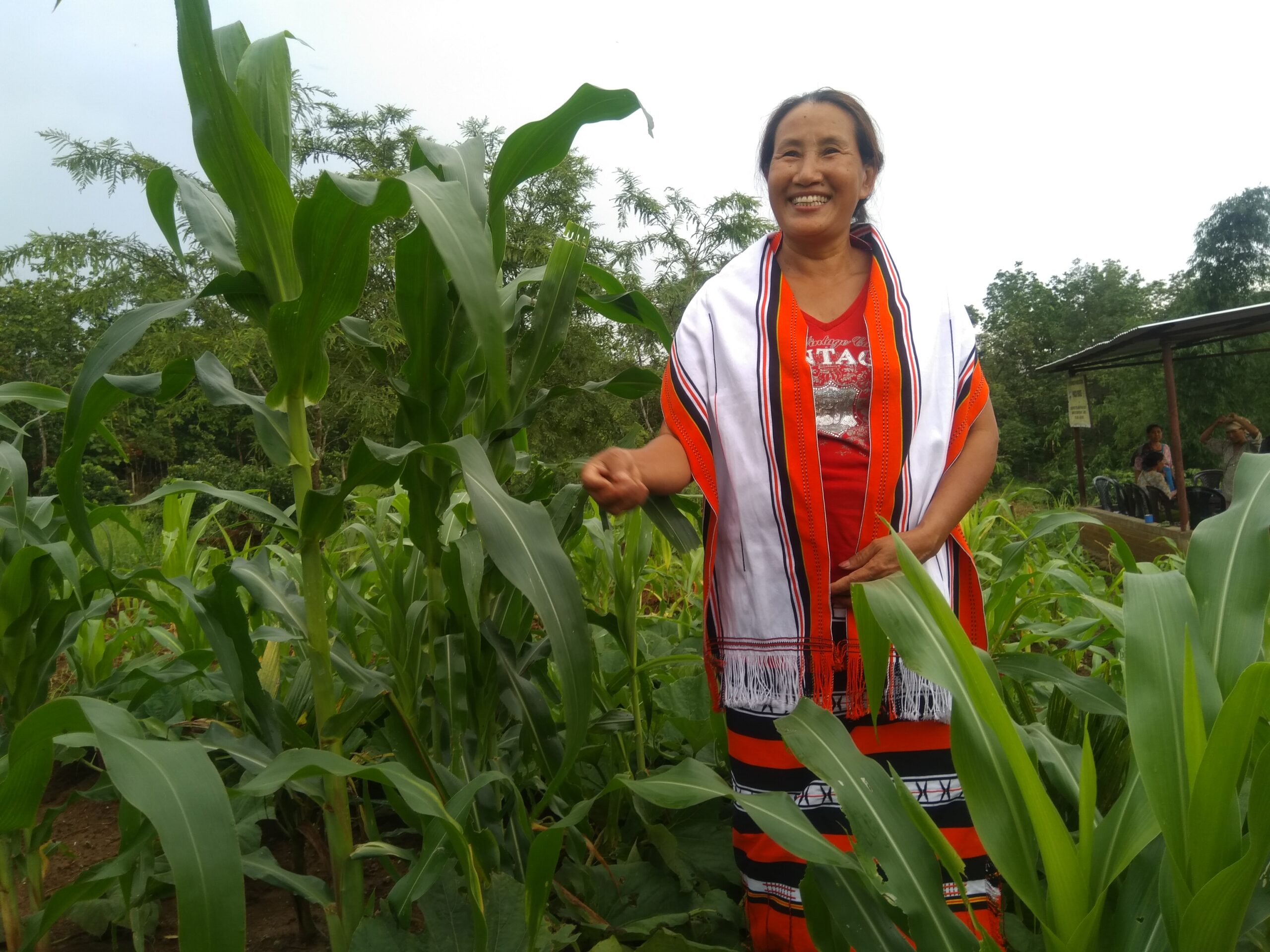
"I have always hoped to empower women to take action and increase their awareness of and respect for the dignity of work because I cannot imagine any woman just being a housewife."
Kygum, a leading farm entrepreneur from Jaluke B village in Peren District of Nagaland.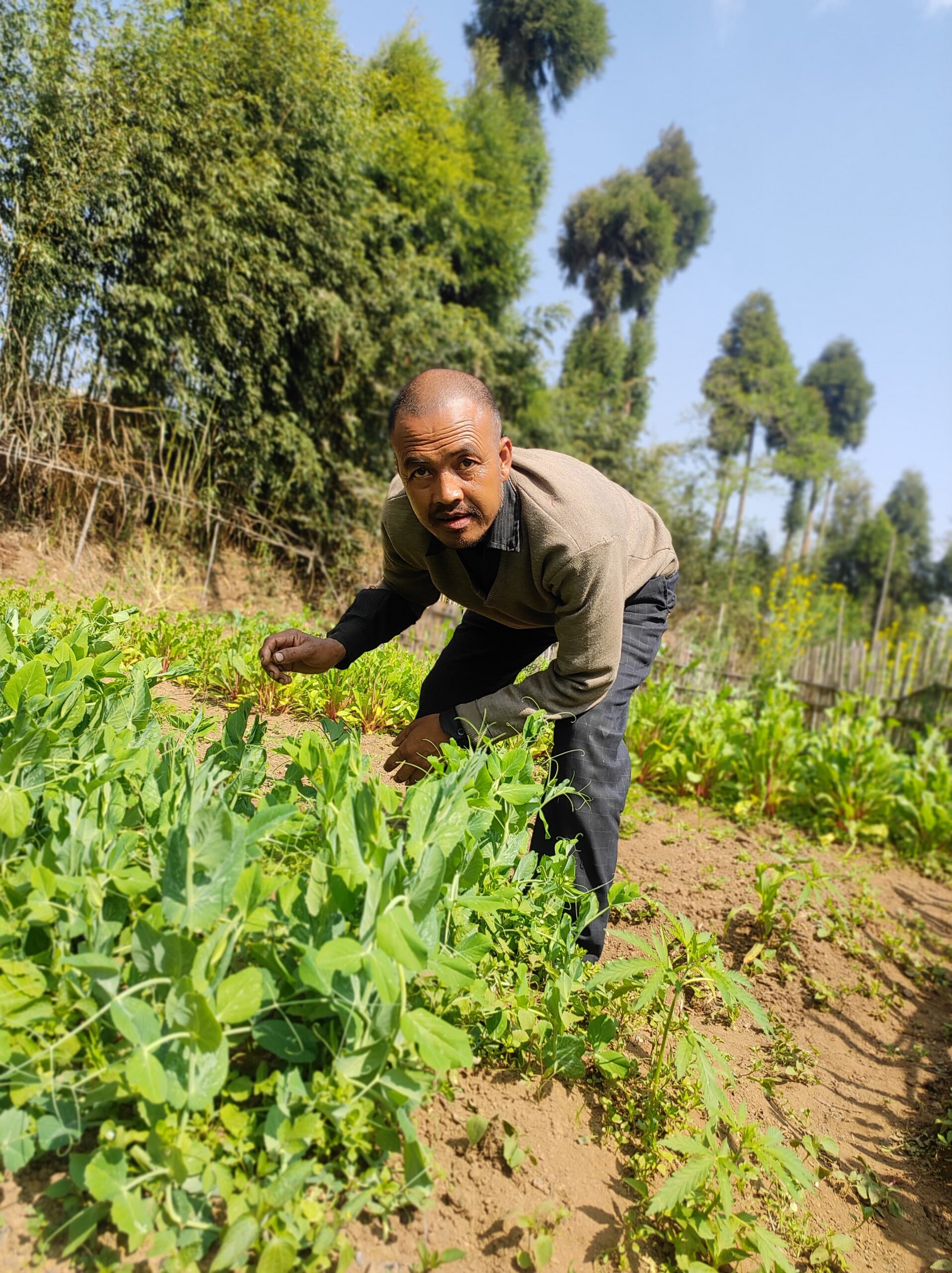
"We find not just a farmer, but a visionary – a custodian of the land, committed to nurturing both livelihoods and ecosystems."
Warrington Nongspung, from Madan Thangsning, a small village in Smit, East Khasi Hill District, Meghalaya. 91 -11 - 23362735
  director@caritasindia.org


